
- 21
- current models
- $0.56
- median per Wh
- 230 Wh – 12.3 kWh
- single-unit range
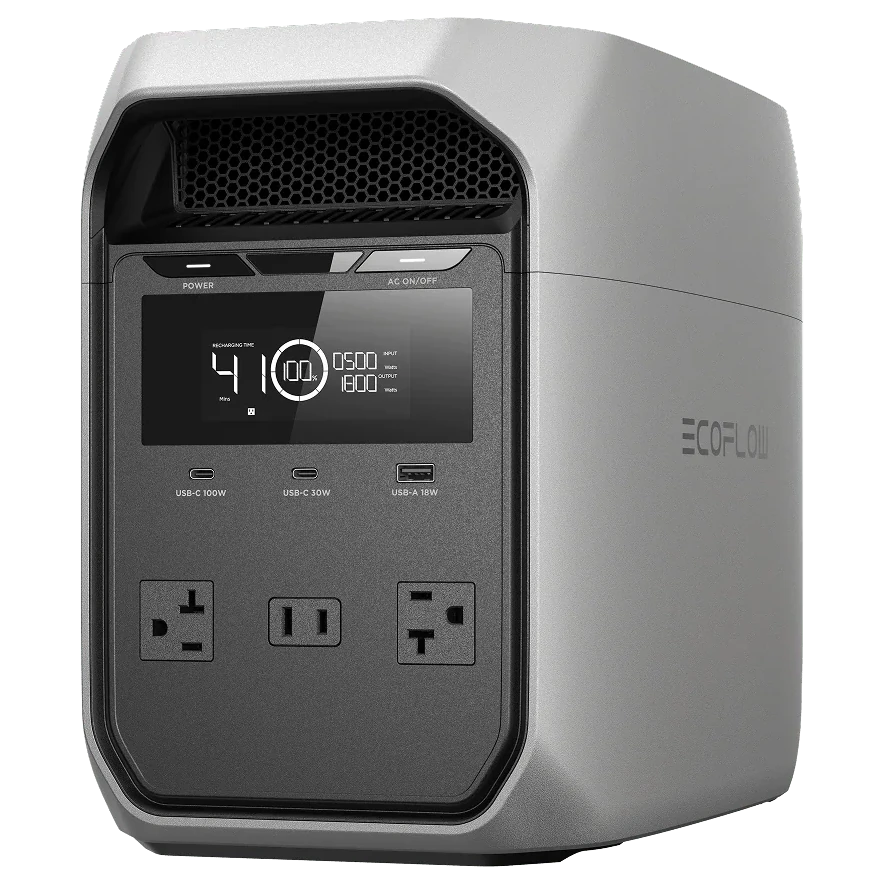
Most-comparedDELTA 3 Classic

- 17
- current models
- $0.59
- median per Wh
- 192 Wh – 6.1 kWh
- single-unit range
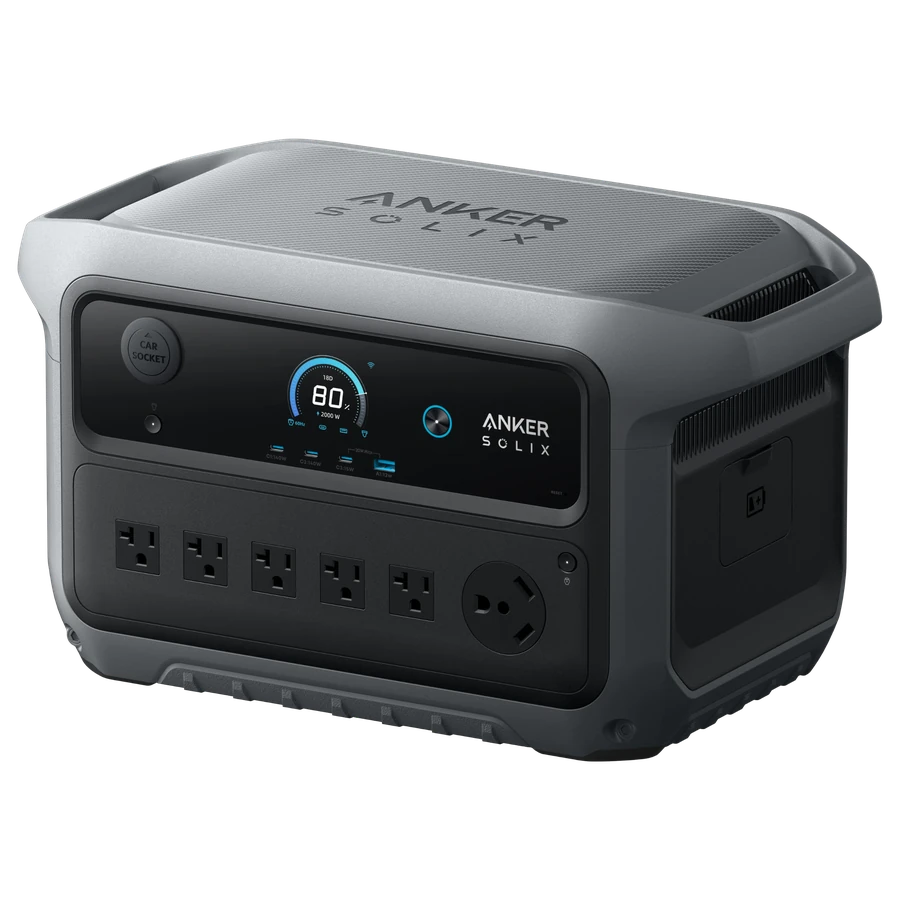
Most-comparedSOLIX C2000 Gen 2
Brand matchup
EcoFlow vs Anker SOLIX
The measured comparison: 89 model-vs-model head-to-heads, 21 EcoFlow and 17 Anker SOLIX models in the current catalog, and 53 days of twice-daily price captures.
What each brand is known for
EcoFlow turned recharge time into the headline spec: most of its line refills from a wall socket in about an hour, and the catalog stretches from a 230 Wh RIVER to a 12.3 kWh DELTA Pro Ultra, 21 current models with a UPS mode on 100% of them. It reprices in small, frequent steps rather than big sales, so the median unit spent 1% of our capture window under its typical price.
Anker SOLIX is the power-station arm of the company that made the charger in your bag, and it arrived building upward: 17 current models that top out at 6.1 kWh as a single unit and 61.4 kWh as a home stack, LFP cells across 100% of the line, and a 10-year design-life claim with a 5-year warranty behind the median unit. The software side shows the parentage too: app control on 94% of the units and a UPS mode on 82%.

Written by Wenny Zheng, Portable Power Tester·Data as of Sep 8, 2026
02 · Measured strengths and trade-offs
Where each brand is strong, and where it is not
The pros and cons, except that every one is a measurement: generated from the catalog, the price captures, the reviews and our head-to-heads, and scoped to the sizes where it holds.
vs Anker SOLIXMeasured strengths
Wins more of our head-to-heads
57 of 89 decidedevidence ↓
Praised for durability and fan noise
34 of 51 notes positiveevidence ↓
Cheaper per watt-hour in Under 500 Wh and 1–2 kWh
$0.82 vs $0.89 per Wh · Under 500 Whevidence ↓
Trade-offs
Heavier per watt-hour in 3 of 4 sizes
40.4 vs 42.7 Wh per lb · 2–5 kWhevidence ↓
Less solar input per kWh in 500–1,000 Wh and 1–2 kWh
488W vs 586W per kWh · 1–2 kWhevidence ↓
Less inverter power per watt-hour in 500–1,000 Wh and 1–2 kWh
1.76 vs 1.95 W per Wh · 1–2 kWhevidence ↓
vs EcoFlowMeasured strengths
Lighter per watt-hour in 3 of 4 sizes
42.7 vs 40.4 Wh per lb · 2–5 kWhevidence ↓
Expands furthest
up to 61.4 kWh vs 18.4 kWhevidence ↓
Praised for charging and durability
29 of 51 notes positiveevidence ↓
Trade-offs
Loses more of our head-to-heads
32 of 89 decidedevidence ↓
Pricier per watt-hour in Under 500 Wh and 1–2 kWh
$0.89 vs $0.82 per Wh · Under 500 Whevidence ↓
Every point is derived from the numbers on this page as of Sep 8, 2026 and scoped to the sizes where it holds; a lead needs at least two models on each side and a gap of 5% or more. When the catalog, the prices or the reviews move, the points move with them. A trade-off is where the data runs against the brand, not a defect report; the linked section carries the context.
Refine by use case and priority
Ranked on the same benches as our buying guides · live prices
Tell us what the unit is for and what matters most, and we re-rank the current units of both brands with live prices.
Size you need
What it is for
What matters most
- Top pick
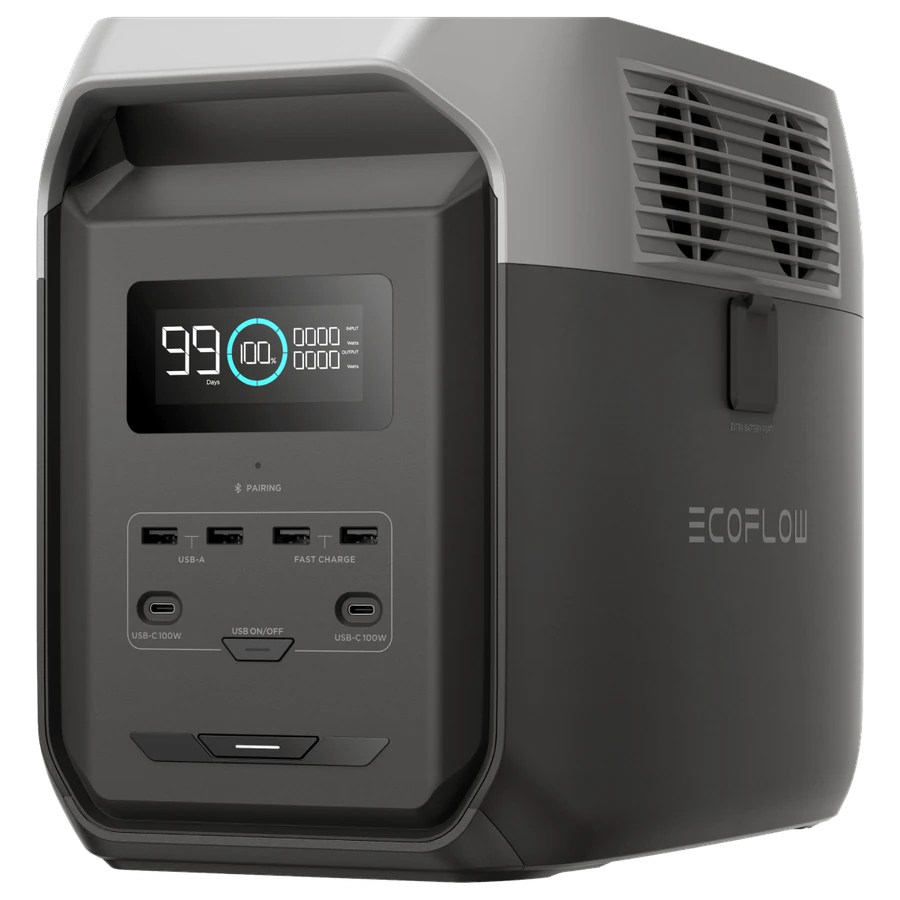
$599 · $0.39/Wh
1.5 kWh · 1,800 W · 36 lb · 500 W solar
- Lowest $/Wh at this size
- Lightest per Wh at this size
- #2
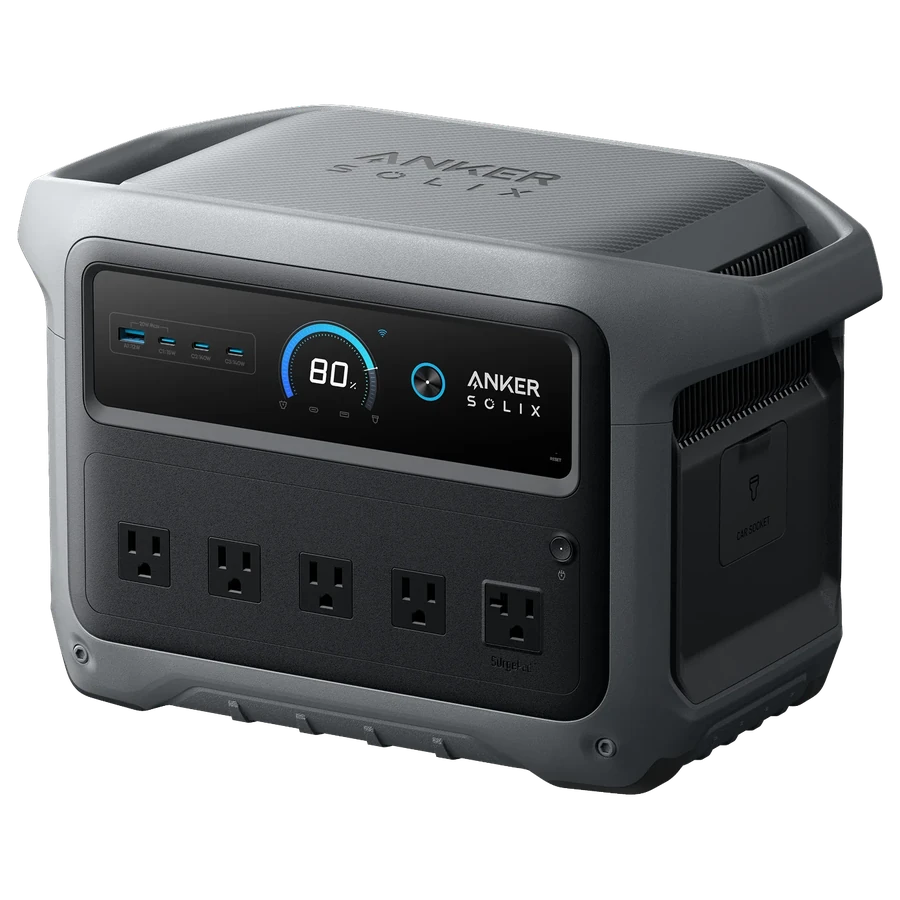
$550 · $0.54/Wh
1 kWh · 2,000 W · 24.9 lb · 600 W solar
- UPS ≤10 ms
- #3
$499 · $0.49/Wh
1 kWh · 1,800 W · 26.7 lb · 500 W solar
- UPS ≤10 ms
Full head-to-head: DELTA 3 1500 vs SOLIX C1000 Gen 2 →Compare these 3 in the comparison tool →
03 · Decision map
Who wins where, criterion by criterion
A brand is not one product, so the question is not which brand wins but where. Each cell is the median of every current model that brand sells in that capacity band, on the typical price price our price tracking treats as the real one rather than the weekend promotion. A leader needs at least two models on each side and a gap of 5% or more; anything closer is called even.
| Capacity band | Models | Price per Whlower is better | Wh per lb | Inverter W per Wh | Solar W per kWh | Warranty | Rated cycles |
|---|---|---|---|---|---|---|---|
| Under 500 WhBest value here Anker SOLIX C300 DC | 4 / 4 | $0.82vs$0.89 EcoFlow | 30.4vs38.9 Anker SOLIX | 1.26vs1.04 EcoFlow | 464Wvs347W EcoFlow | 5 yrvs4 yr EcoFlow | 3,000vs3,000 even |
| 500–1,000 WhBest value here EcoFlow RIVER 2 Pro · $349 | 3 / 3 | $0.56vs$0.59 even | 44.7vs32.0 EcoFlow | 1.04vs1.56 Anker SOLIX | 286Wvs391W Anker SOLIX | 5 yrvs5 yr even | 3,000vs3,000 even |
| 1–2 kWhBest value here EcoFlow DELTA 3 1500 · $599 | 5 / 3 | $0.49vs$0.52 EcoFlow | 37.9vs41.1 Anker SOLIX | 1.76vs1.95 Anker SOLIX | 488Wvs586W Anker SOLIX | 5 yrvs5 yr even | 3,000vs4,000 Anker SOLIX |
| 2–5 kWhBest value here Anker SOLIX S2000 | 7 / 6 | $0.52vs$0.49 Anker SOLIX | 40.4vs42.7 Anker SOLIX | 1.17vs1.17 even | 488Wvs508W even | 5 yrvs5 yr even | 4,000vs3,500 EcoFlow |
| 5 kWh and upBest value here EcoFlow DELTA Pro Ultra X · $7,999 | 2 / 1 | $0.67vs$0.70 thin | —vs— thin | 1.07vs1.25 thin | 863Wvs1465W thin | 7.5 yrvs5 yr thin | 3,500vs4,000 thin |
04 · Verdict by use case
Which brand for what
Bench leaders among the two brands' current units, on the same PowerScore benches that rank our buying guides. Each card links to the head-to-head that comes closest to the two leaders.
Home backup
Bench leader: EcoFlow
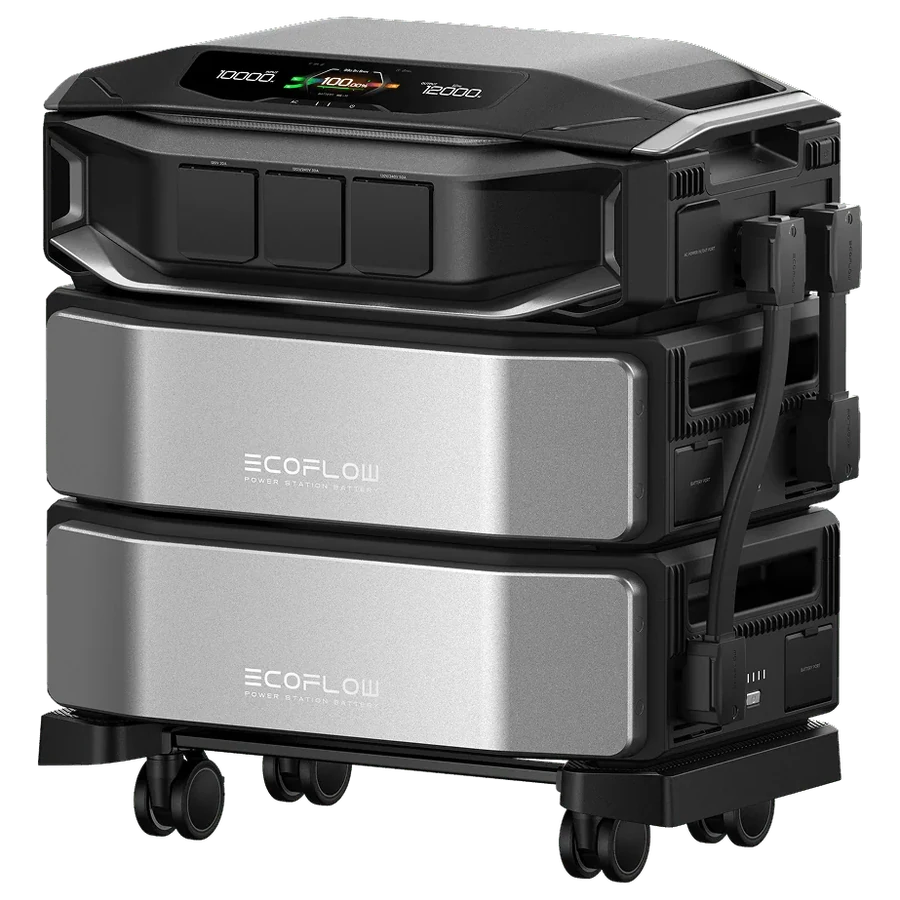
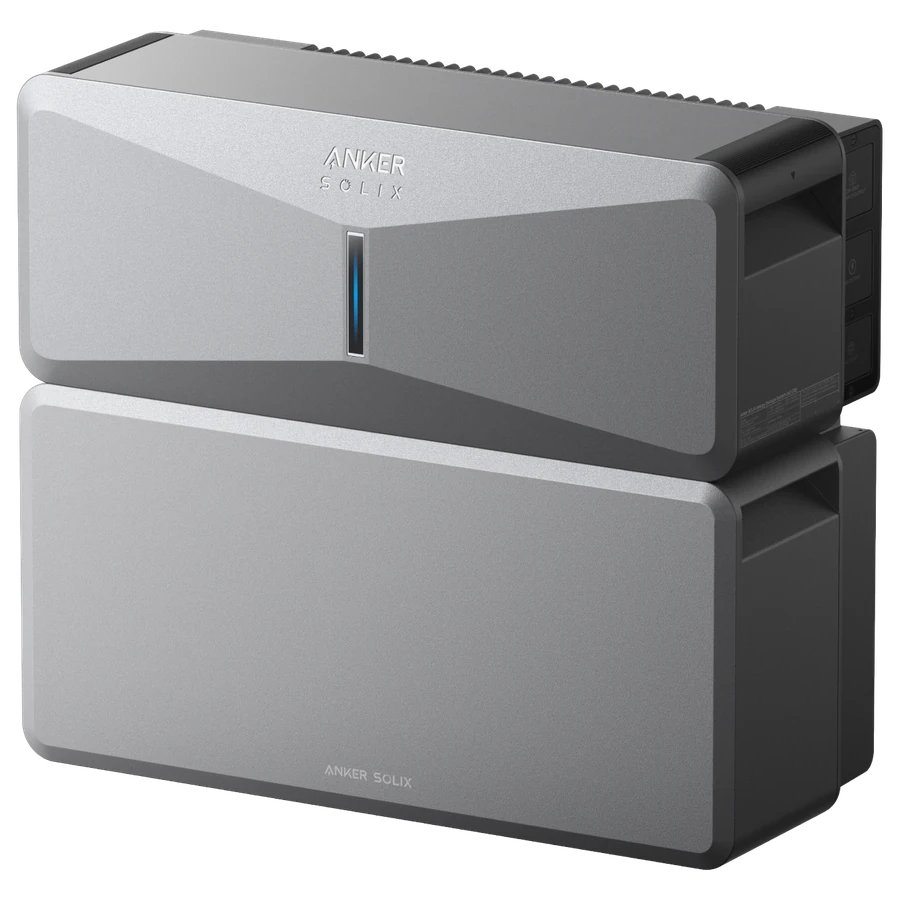
Whole-home backup is the tier where both brands sell installed systems, and EcoFlow's platform scores higher on the bench. Below that tier, between 2 and 5 kWh, Anker's current medians are the cheaper watt-hour, so the honest split is by budget: a hardwired panel favors EcoFlow, a unit parked next to the fridge is a live pair to open.
EcoFlow DELTA Pro Ultra X vs Anker SOLIX C1000 Gen 2 →Home backup guide →
Camping and overlanding
Bench leader: Anker SOLIX
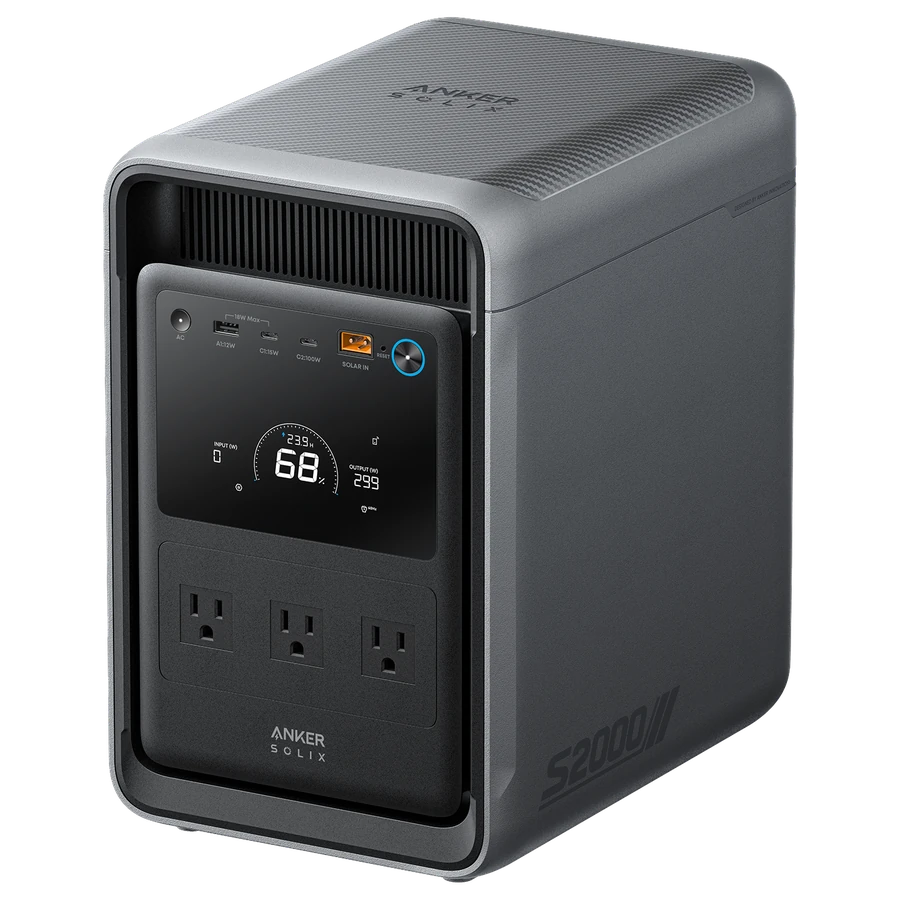
Anker's bench leader here carries a 2 kWh battery at a price per watt-hour that beats anything EcoFlow sells at the same size, and it stays under the weight cap. EcoFlow's answer is the DELTA 3 1500, lighter and cheaper outright. If you need to carry it far, the EcoFlow; if you need it to run a weekend, the Anker.
EcoFlow DELTA 3 1500 vs Anker SOLIX S2000 →Camping and overlanding guide →
RV and van life
Bench leader: Anker SOLIX
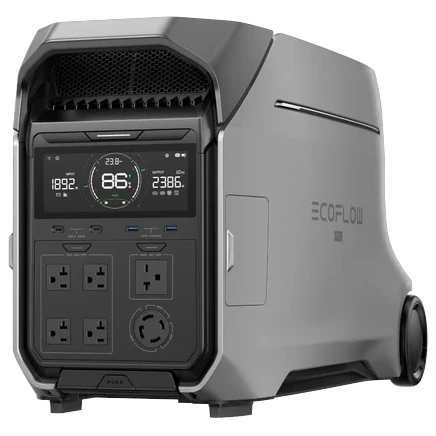
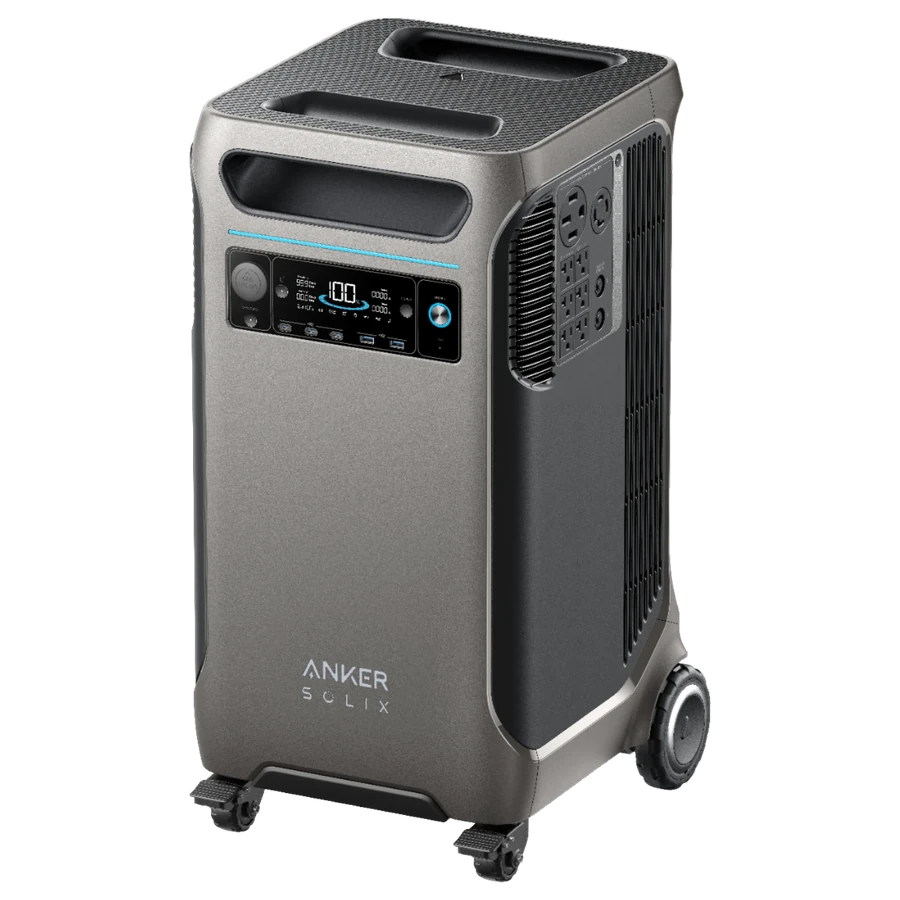
The RV bench rewards inverter headroom and expansion, and Anker's F3800 PLUS takes it ahead of EcoFlow's DELTA Pro 3. The two are close enough on price that the deciding factor is the expansion path you expect to buy into, which is the ecosystem table above.
EcoFlow DELTA Pro 3 vs Anker SOLIX F3800 PLUS →RV and van life guide →
CPAP
Bench leader: Anker SOLIX
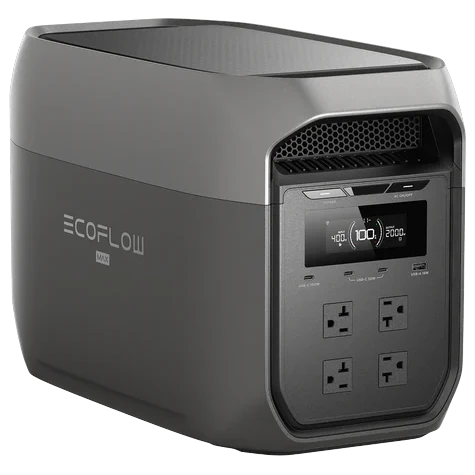
Both brands clear a CPAP night easily; the bench sorts them on usable watt-hours per dollar, which favors the Anker S2000. For travel-sized CPAP power our CPAP guide's picks are lighter units than either bench leader here, so read this as the verdict for home bedside backup.
Starlink and off-grid work
Bench leader: EcoFlow
Off-grid work runs a dish for days, so the bench favors capacity and solar input, and EcoFlow's DELTA Pro Ultra X leads with Anker's E10 close behind. Both are stationary systems; for a portable Starlink battery the Starlink guide ranks smaller units.
EcoFlow DELTA Pro Ultra X vs Anker SOLIX C1000 Gen 2 →Starlink and off-grid work guide →
Solar generator
Bench leader: Anker SOLIX
Solar generator scoring is solar input per watt-hour of storage, and Anker leads the middle bands on that ratio while EcoFlow leads under 500 Wh. At the top the F3800 PLUS takes the bench from the DELTA Pro 3 on input ceiling.
EcoFlow DELTA Pro 3 vs Anker SOLIX F3800 PLUS →Solar generator guide →
05 · Voices
Owners, reviewers, our test desk, and the people searching
Four kinds of voice, none of them invented. Owners first: 1,652 EcoFlow and 674 Anker SOLIX claims extracted from the comment sections of 12 independent YouTube channels, each attributed to the brand it is about rather than the brand of the video. Then reviewers (162 and 180 cited excerpts), our own verdict lines, and the exact phrasings shoppers typed into Google.
Owner sentiment by topic · YouTube comments
1,652 claims · 11 channels · 54% positive
- Price and value93112
- Durability and failures12143
- Warranty and support15569
- Solar input6256
- Charging speed2161
- App and firmware4955
- Capacity and runtime32102
- Build quality5533
- Expandability3256
- UPS switchover2528
- Noise1814
- Idle drain1514
left: negative and mixed · right: positive
674 claims · 11 channels · 56% positive
- Price and value3462
- Durability and failures2412
- Warranty and support2735
- Solar input4826
- Charging speed2319
- App and firmware1614
- Capacity and runtime936
- Build quality1929
- Expandability1616
- UPS switchover910
- Noise68
- Idle drain125
left: negative and mixed · right: positive
Owners knock EcoFlow hardest on durability and support and praise its capacity and charging; Anker's sharpest notes are solar input and durability, with price and capacity on the positive side. Bars count paraphrased claims, weighted only for the share figure; a claim is what a commenter said, not a verified fact.
What owners keep saying
The strongest first-hand report each way, summarized by our research pass; each arrow opens the source comment.
- Price and value
- +DELTA 2 plus extra battery and 600W solar cost ~$1200 and paid for itself in under 2 years in California. · DELTA 2 ↗
- −His out-of-warranty EcoFlow gear is worth under 30% of purchase price after four years. ↗
- Durability and failures
- +Batteries still hold 98%+ capacity, ahead of the 80%-at-10-years warranty curve. · DELTA 2 ↗
- −Bought October 2023, died June 2024. · DELTA Pro ↗
- Warranty and support
- +EcoFlow sent labels and replaced two DELTA Max 2000s and a RIVER Pro in under 3 weeks on their dime. ↗
- −Sorely disappointed by EcoFlow customer service; says he is done with the brand. ↗
- Solar input
- +Charges two DELTA Pros from two ~2,500W strings running at about 125V. · DELTA Pro ↗
- −RIVER Pro with add-on battery is 1400Wh but takes only 200W solar, so 2 days to fill. · RIVER Pro ↗
- Price and value
- +Frequently on sale for $900. · 757 PowerHouse ↗
- −Bought near $2000 at launch in a panel bundle; price has since fallen to about $1200. · SOLIX F3000 ↗
- Durability and failures
- +Anker F2600/F3800 setup has been flawless through northern Wisconsin winters. · SOLIX F2600 ↗
- −Two of his Anker B3800 batteries are currently out for warranty repair. · B3800 ↗
- Warranty and support
- +Anker let him return a C1000 past the 30-day window so he could upgrade to the C2000. ↗
- −Support took over 2 days to reply; he solved the setup bug himself first. · SOLIX E10 ↗
- Solar input
- +C1000 app showed 440-473W from a 450W panel and 80W under full cloud. · SOLIX C1000 ↗
- −XT60 ports cap at 1200W each and one DC charger can't feed both at once. · SOLIX F3800 ↗
Reviewer sentiment by topic · published reviews
162 excerpts · 42 publications · 62% positive
- Durability517
- Charging312
- Fan noise1217
- App25
- UPS211
- Runtime67
- Support7
- Idle drain51
left: negative and mixed · right: positive
180 excerpts · 52 publications · 56% positive
- Durability513
- Charging1716
- Fan noise812
- App68
- UPS11
- Runtime711
- Support63
- Idle drain23
left: negative and mixed · right: positive
Reviewers knock EcoFlow most on support and fan noise and praise its durability; Anker draws its sharpest notes on charging and takes clean marks on UPS. Read the bars as where each brand gets argued about, not as a score.
From the test desk
“Pay $531 more today for the SOLIX C2000 Gen 2, and it pays you back: a lower cost per lifetime kilowatt-hour than the DELTA 3 Classic, plus the only one of these two units that actually clears an 8-hour blackout.”
“The battery is identical either way; $99 buys the EcoFlow 2,000W more surge and 200W more solar, and that's now a cheap enough ask that only a weight- or laptop-focused buyer should take the Anker instead.”
“Same 1,024Wh in both boxes and $220 between them — the C1000 Gen 2 spends that gap on more output, more solar, and a longer-lived cell, but the cheaper DELTA 3 Classic banks the same energy for less per lifetime kilowatt-hour.”
“Both boxes clear every load on this page, so the question was never power: it's that the cheaper one also delivers 42% more energy before it dies.”
“The C1000 Gen 2 is $50 cheaper, lighter, and pushes more sustained output — the DELTA 3 Plus counters with nearly double the solar input and a bigger surge, if you can live with its restless fan.”
“Same $299 price, same 512Wh battery, same 500W output — but the RIVER 2 Max publishes a surge rating, a noise rating, and a 30ms UPS-grade switchover, and the Anker 535 PowerHouse publishes none of the three.”


What shoppers ask
Real queries that reached our EcoFlow-versus-Anker pages in the 90 days to 2026-09-05, with Search Console impressions.
“anker solix vs ecoflow delta 3”14 impr.
At the 1 kWh size it is even on price per watt-hour ($0.49 vs $0.52); Anker leads on weight, solar input and rated cycles in that band.
“ecoflow delta vs anker solix”8 impr.
Depends on which DELTA. Under 500 Wh EcoFlow leads; between 2 and 5 kWh Anker's median watt-hour is cheaper.
“ecoflow vs anker solix”7 impr.
EcoFlow takes 57 of 89 head-to-heads, but the wins split by size, not by badge.
“anker solix vs ecoflow delta pro ultra”3 impr.
Whole-home tier. EcoFlow's platform tops the home-backup bench; Anker's E10 packs add capacity at $0.33 per Wh against EcoFlow's $0.30.
“anker vs ecoflow”1 impr.
Pick the capacity first. The decision map calls a leader per band; brand-level, it is a draw that EcoFlow edges on catalog depth.
“anker solix vs ecoflow delta 2”1 impr.
In our DELTA 2 vs SOLIX C1000 verdict the Anker won, confidence 7 of 10, on price.
06 · Price behavior
How each brand moves its prices
What each brand does with its prices, from 23,158 captures of every current model between 2026-07-17 and 2026-09-07. A drop or rise is a change between two consecutive captures; the typical price is the price a unit keeps returning to, not the store's list price.
1% of the window under its typical price, median unit
Drops
20
Rises
36
Median drop
7.1%
Deepest under typical
- 27.3%
EcoFlow RIVER 3 MAX
- 15.8%
EcoFlow DELTA Pro
- 14.3%
EcoFlow DELTA Pro 3
- 9.5%
EcoFlow DELTA 2 Max
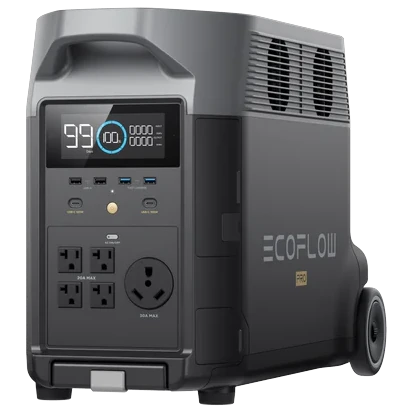
When to buy20 drops and 36 rises across 21 units in 53 days is a catalog that reprices constantly, usually by a few percent. If the unit you want is sitting at typical price, a small cut is likely within weeks, so do not chase one. The deep cuts, 13% to 17%, landed on five units in this window, led by the RIVER 3 MAX at 27.3% under typical price.
0% of the window under its typical price, median unit
Drops
3
Rises
14
Median drop
9.1%
Deepest under typical
- 10%
Anker SOLIX C300
- 9.1%
Anker SOLIX F2600
- 6.7%
Anker SOLIX F3000
- 5%
Anker SOLIX C2000 Gen 2
Nothing meaningfully under its typical price at the last check.
When to buy3 drops across 17 units in the same window: Anker holds a price and then moves it hard. The SOLIX C300 at 10.0% under typical price is the deepest cut either brand showed. A SOLIX at 20% off is the exception, not the pattern, so take it when it appears.
Spot prices and sale flags are rechecked at each build; the drop and rise counts cover 2026-07-17 to 2026-09-07.
07 · Head-to-head record
89 head-to-heads, scored
Every head-to-head below is one model against one model, written up in full with a winner and a confidence score from 1 to 10. The set is the head-to-heads shoppers actually search for, not a random sample, and EcoFlow's larger catalog above 2 kWh gives it more chances to appear. Read the split by size and by deciding criterion, not just the totals.
57
wins
32
wins
- Decisive calls
- 13 (confidence 8+) · 10–3
- Close calls
- 32 (6 or under) · 19–13
- Bigger battery won
- 70% of 73 step-up pairs
- All head-to-heads, incl. retired units
- 115 (26 involve a retired unit)
What decided EcoFlow's wins
- price per Wh37
- inverter output14
- weight5
- capacity1
What decided Anker SOLIX's wins
- price per Wh26
- inverter output4
- capacity2
Matched-capacity pairs, by band
- Under 500 Wh7–4 of 11
- 500–1,000 Wh5–1 of 6
- 1–2 kWh7–5 of 12
- 2–5 kWh21–7 of 28
- 5 kWh and up1–0 of 1
58 of 89 live matchups pit units from the same capacity band; the rest are step-up comparisons.
The five most-searched matchups
- EcoFlow DELTA 3 Classic vs Anker SOLIX C2000 Gen 2Anker SOLIX · 8/10
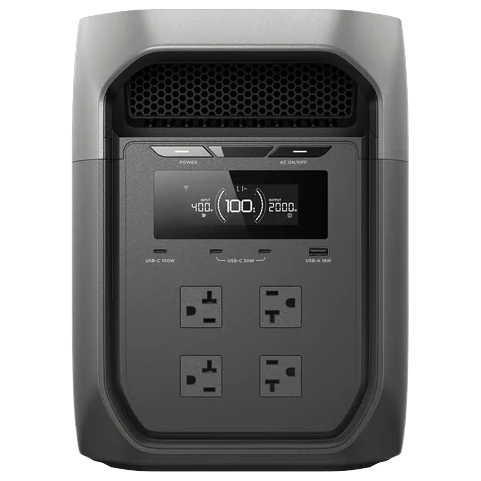 EcoFlow DELTA 3 Max Plus vs Anker SOLIX C2000 Gen 2EcoFlow · 6/10
- EcoFlow DELTA 3 Classic vs Anker SOLIX C1000 Gen 2EcoFlow · 7/10
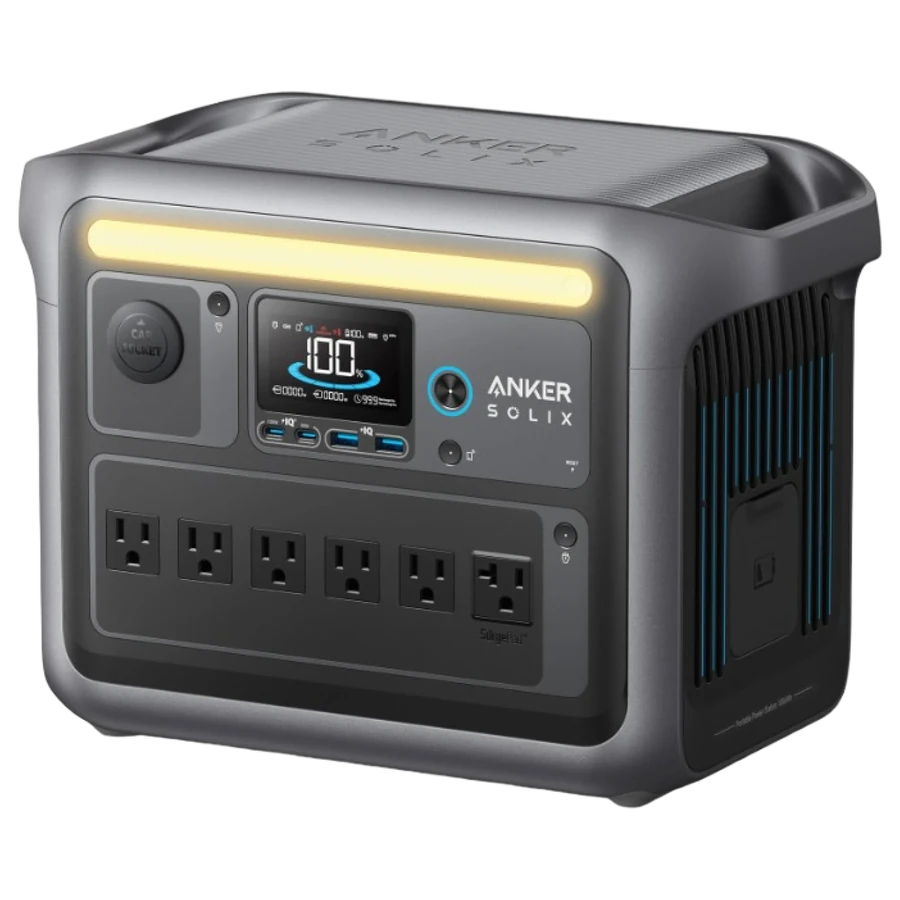 EcoFlow DELTA 3 Classic vs Anker SOLIX C1000EcoFlow · 6/10
- EcoFlow DELTA Pro 3 vs Anker SOLIX F3800 PLUSEcoFlow · 7/10
What owners decided, on YouTube
27
preferred
36
preferred
72 buyer comparisons naming both brands, 9 without a clear winner. Counted from comment sections across 12 independent channels; each line below links to the comment.
- EcoFlow DELTA Pro 3 vs Anker SOLIX F3800 → EcoFlowBought it because it AC charges from a generator while still outputting 240V.44 likes · The Solar Lab ↗
- EcoFlow DELTA Pro Ultra vs Anker SOLIX E10 → EcoFlowWould pick the EcoFlow for its portability and its 120V outlets for plugging in appliances.26 likes · ReeWray Outdoors ↗
- EcoFlow DELTA 2 vs Anker 757 PowerHouse → Anker SOLIXChose it over the EcoFlow because it is a certified UPS for home network gear.24 likes · DIY Solar Power with Will Prowse ↗
- EcoFlow DELTA Pro Ultra vs Anker SOLIX E10 → Anker SOLIXHas run their house for the last month and it is amazing despite lower specs than the Ultra.23 likes · Minute Man Solar ↗
Our head-to-heads against owners' picks
Owners disagree with us here, and that is worth knowing. Across 72 comparisons in which a commenter named both brands and picked a side, Anker SOLIX was preferred 36 times to EcoFlow's 27. Our own head-to-heads at matched capacity run the other way. Both can be true: owners compare the units they actually bought, often across sizes and years, and weigh support and ecosystem heavily; we compare current units on price per watt-hour and measured spec. Read theirs as the lived-with view and ours as the buy-today view.
08 · Ecosystem and lock-in
What you commit to with the first purchase
The real question behind a brand-level search is which proprietary ecosystem to commit to. Expansion batteries do not cross brands, so the second purchase is decided by the first. These are the terms of that commitment as the catalogs stand today.
Expandable
accept expansion batteries
UPS mode
any switchover figure listed
App control
current units
LFP chemistry
current units
Expandable
accept expansion batteries
UPS mode
any switchover figure listed
App control
current units
LFP chemistry
current units
Models that accept expansion batteries
EcoFlow15 of 21 units
Anker SOLIX8 of 17 units
Good to knowAnker's non-expandable list is the compact C-series, the C800 line and the S2000, all sized as complete units. Not expanding is only a con if you would have expanded.
Largest system either brand sells
EcoFlow18.4 kWh
Anker SOLIX61.4 kWh
Good to knowBoth ceilings are whole-home installs, not things you carry. The portable ceilings are far lower and roughly match: about 4 kWh on a single unit for both brands.
Cost per added watt-hour when expanding
EcoFlow$0.30 per Wh added · base $0.68
Anker SOLIX$0.33 per Wh added · base $0.70
Good to knowOn both sides an expansion watt-hour costs well under half of a base watt-hour, because the base unit is where you pay for the inverter and electronics. Our catalog prices whole-home packs as SKUs; portable add-on packs are not tracked, so we do not quote them.
Models with a UPS mode
EcoFlow21 of 21 · 12 at 10 ms or under
Anker SOLIX14 of 17 · 6 at 10 ms or under
Good to knowAnker's three units without UPS are two DC-only boxes and the older 535 PowerHouse. Every C-series and F-series SOLIX carries it, at 10 to 20 ms. EcoFlow lists it on every current model, twelve of them at 10 ms or under.
Models with app control
EcoFlow21 of 21 units
Anker SOLIX16 of 17 units
Good to knowThe single exception on the Anker side is the 535 PowerHouse, the oldest unit in the line.
Warranty
EcoFlow5 yr median · 20×5yr, 1×10yr
Anker SOLIX5 yr median · 2×3yr, 15×5yr
Good to knowEcoFlow's one outlier is the 10-year DELTA Pro Ultra. Anker's two outliers are the C200 DC and C300 DC at 3 years; the rest of the SOLIX line matches EcoFlow at 5.
LFP chemistry
EcoFlow100% LFP
Anker SOLIX100% LFP
Good to knowBoth catalogs are entirely LFP today. This is table stakes now, not a differentiator.
Rated cycle life
EcoFlow3,000 median · 11×3,000, 3×3,500, 7×4,000
Anker SOLIX3,000 median · 11×3,000, 5×4,000, 1×10,000
Good to knowBoth brands rate most units at 3,000 cycles to 80% and the newer flagships at 4,000. Anker's S2000 claims 10,000, which is the only figure of its kind on either side and one we have not been able to verify against a test.
09 · Catalog density
Where each brand actually has models
Every dot is one current unit; stack configurations and retired units are excluded. The bar under each strip counts models per capacity band, which is the fastest way to see whether a brand has an answer at your size at all.
Price per watt-hour · typical price, lower is better
Show every unit
| EcoFlow DELTA 3 1500 | 1.5 kWh | $0.39 |
| EcoFlow DELTA 3 Max | 2 kWh | $0.44 |
| EcoFlow RIVER 2 Pro | 768 Wh | $0.45 |
| EcoFlow DELTA 3 Ultra | 3.1 kWh | $0.46 |
| EcoFlow DELTA 3 Classic | 1 kWh | $0.46 |
| EcoFlow DELTA 2 | 1 kWh | $0.49 |
| EcoFlow DELTA 2 Max | 2 kWh | $0.51 |
| EcoFlow DELTA 3 Ultra Plus | 3.1 kWh | $0.52 |
| EcoFlow DELTA Pro | 3.6 kWh | $0.53 |
| EcoFlow DELTA 3 | 1 kWh | $0.54 |
| EcoFlow RIVER 2 Max | 512 Wh | $0.56 |
| EcoFlow DELTA 3 Max Plus | 2 kWh | $0.58 |
| EcoFlow DELTA Pro Ultra X | 12.3 kWh | $0.65 |
| EcoFlow DELTA 3 Plus | 1 kWh | $0.67 |
| EcoFlow DELTA Pro Ultra | 6.1 kWh | $0.68 |
| EcoFlow DELTA Pro 3 | 4.1 kWh | $0.68 |
| EcoFlow RIVER 2 | 256 Wh | $0.74 |
| EcoFlow RIVER 3 MAX | 572 Wh | $0.77 |
| EcoFlow RIVER 3 | 245 Wh | $0.81 |
| EcoFlow RIVER 3 230 | 230 Wh | $0.82 |
| EcoFlow RIVER 3 PLUS | 286 Wh | $0.91 |
| Anker SOLIX S2000 | 2 kWh | $0.35 |
| Anker SOLIX C1000 | 1.1 kWh | $0.42 |
| Anker SOLIX F2600 | 2.6 kWh | $0.43 |
| Anker SOLIX C2000 Gen 2 | 2 kWh | $0.49 |
| Anker SOLIX F3000 | 3.1 kWh | $0.49 |
| Anker SOLIX C1000 Gen 2 | 1 kWh | $0.52 |
| Anker SOLIX F3800 | 3.8 kWh | $0.52 |
| Anker 535 PowerHouse | 512 Wh | $0.59 |
| Anker SOLIX C1000X Gen 2 | 1 kWh | $0.59 |
| Anker SOLIX C800X | 768 Wh | $0.59 |
| Anker SOLIX F3800 PLUS | 3.8 kWh | $0.68 |
| Anker SOLIX C300 DC | 288 Wh | $0.69 |
| Anker SOLIX E10 | 6.1 kWh | $0.70 |
| Anker SOLIX C200 DC | 192 Wh | $0.73 |
| Anker SOLIX C800 Plus | 768 Wh | $0.84 |
| Anker SOLIX C300 | 288 Wh | $1.04 |
| Anker SOLIX C300X | 288 Wh | $1.04 |
Watt-hours per pound · portable units only, higher is better
Show every unit
| EcoFlow RIVER 3 MAX | 572 Wh | 55.0 |
| EcoFlow RIVER 2 Pro | 768 Wh | 44.7 |
| EcoFlow DELTA 3 1500 | 1.5 kWh | 42.7 |
| EcoFlow DELTA 3 Ultra | 3.1 kWh | 42.6 |
| EcoFlow DELTA 3 Ultra Plus | 3.1 kWh | 41.3 |
| EcoFlow DELTA 3 Max | 2 kWh | 40.4 |
| EcoFlow DELTA 3 Max Plus | 2 kWh | 40.4 |
| EcoFlow DELTA 2 Max | 2 kWh | 40.4 |
| EcoFlow DELTA 3 Classic | 1 kWh | 38.4 |
| EcoFlow RIVER 2 Max | 512 Wh | 38.2 |
| EcoFlow DELTA 3 Plus | 1 kWh | 37.9 |
| EcoFlow DELTA 3 | 1 kWh | 37.9 |
| EcoFlow DELTA 2 | 1 kWh | 37.9 |
| EcoFlow DELTA Pro | 3.6 kWh | 36.4 |
| EcoFlow RIVER 2 | 256 Wh | 32.8 |
| EcoFlow RIVER 3 | 245 Wh | 31.4 |
| EcoFlow RIVER 3 230 | 230 Wh | 29.5 |
| EcoFlow RIVER 3 PLUS | 286 Wh | 27.5 |
| Anker SOLIX S2000 | 2 kWh | 56.3 |
| Anker SOLIX C2000 Gen 2 | 2 kWh | 49.1 |
| Anker SOLIX C300 DC | 288 Wh | 46.7 |
| Anker SOLIX C200 DC | 192 Wh | 45.7 |
| Anker SOLIX C1000 Gen 2 | 1 kWh | 41.1 |
| Anker SOLIX C1000X Gen 2 | 1 kWh | 41.1 |
| Anker SOLIX C1000 | 1.1 kWh | 37.2 |
| Anker SOLIX F2600 | 2.6 kWh | 36.3 |
| Anker SOLIX F3000 | 3.1 kWh | 33.6 |
| Anker SOLIX C800 Plus | 768 Wh | 32.0 |
| Anker SOLIX C300X | 288 Wh | 32.0 |
| Anker SOLIX C800X | 768 Wh | 32.0 |
| Anker SOLIX C300 | 288 Wh | 31.6 |
| Anker 535 PowerHouse | 512 Wh | 30.7 |
Models per capacity band · current units, configurations excluded
Under 500 Wh
500–1,000 Wh
1–2 kWh
2–5 kWh
5 kWh+
The extremes
The cheapest and dearest watt-hour each brand sells today, so you can see what the medians are made of.
Cheapest watt-hour
DELTA 3 1500
$0.39 · 1.5 kWh
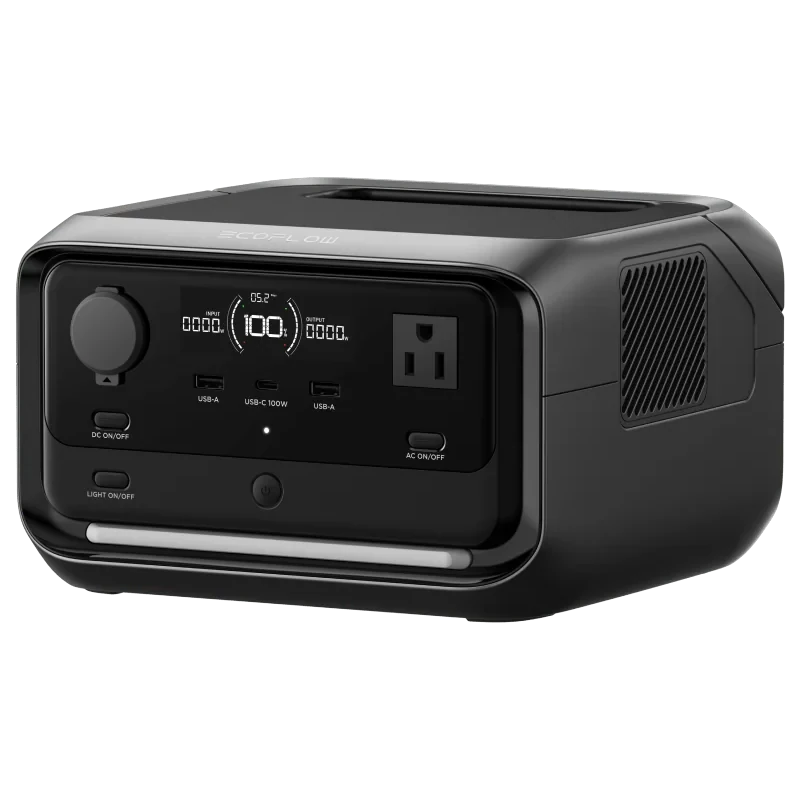
Dearest watt-hour
RIVER 3 PLUS
$0.91 · 286 Wh
Cheapest watt-hour
SOLIX S2000
$0.35 · 2 kWh
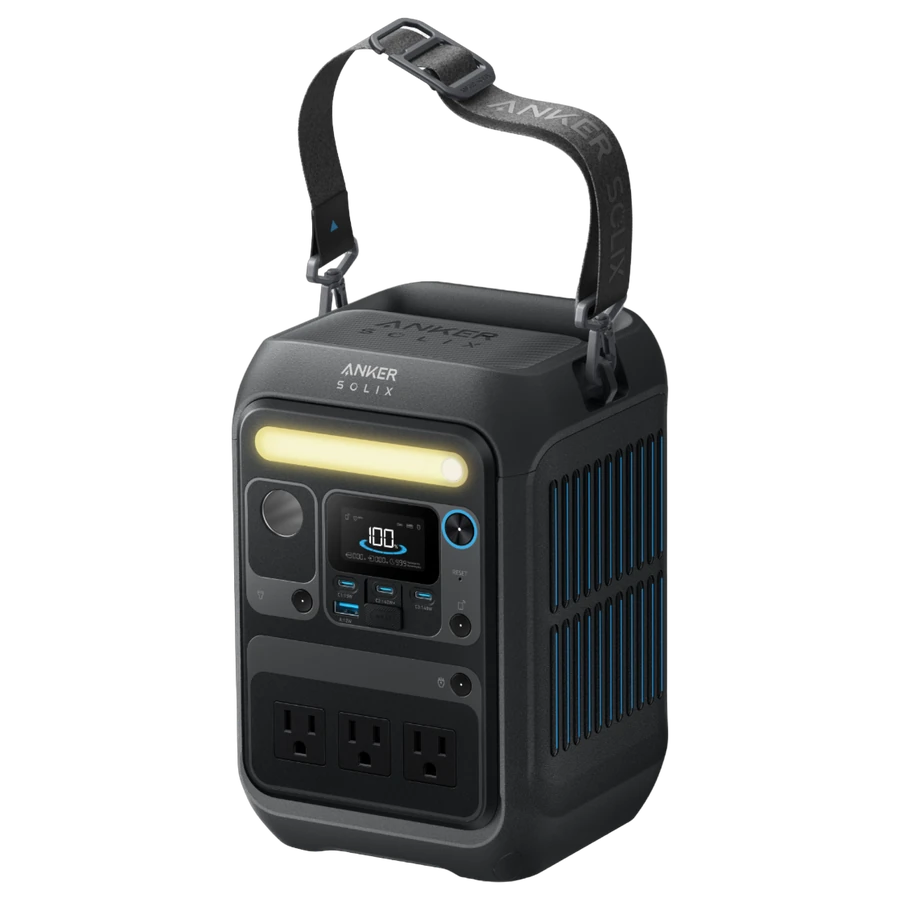
Dearest watt-hour
SOLIX C300X
$1.04 · 288 Wh
EcoFlow EcoFlow's 21 units run from 230 Wh to 12.3 kWh, densest between 2 and 5 kWh with 7 models. Median $0.56 per watt-hour and 38.3 Wh per pound among the portable units.
Anker SOLIX Anker SOLIX's 17 units run from 192 Wh to 6.1 kWh before stacking, with 8 stack configurations on top. Median $0.59 per watt-hour and 36.7 Wh per pound. Above 5 kWh Anker has one platform, the E10, where EcoFlow has two.
10 · Claims, checked
What the internet says, against the catalog
- PSA Not Supported
“Anker SOLIX units are rated for more cycles than EcoFlow's.”
Median rated cycles are 3,000 on both sides. Six EcoFlow units and five Anker units carry a 4,000-cycle rating. The only higher figure is the S2000's 10,000, one unit.
- PSA Partly True
“EcoFlow is the cheaper brand per watt-hour.”
Overall medians are $0.56 for EcoFlow against $0.59 for Anker, and EcoFlow is cheaper under 500 Wh. Between 2 and 5 kWh Anker's median is lower, $0.49 against $0.52.
- PSA Partly True
“Every Anker SOLIX has a UPS mode.”
82% of current Anker units do; the C200 DC, C300 DC and 535 PowerHouse do not. EcoFlow lists UPS on 100% of current units.
- PSA Verified
“Both brands are all-LFP now.”
100% of EcoFlow units and 100% of Anker units in the current catalog list LFP chemistry.
- PSA Not Supported
“Expansion batteries cost about the same per watt-hour as the base unit.”
Added capacity runs $0.30 per watt-hour on EcoFlow's DELTA Pro Ultra packs and $0.33 on Anker's B6000 packs, against base units at $0.68 and $0.70.
- PSA Partly True
“Anker's warranty is 5 years across the board.”
15 of 17 current units carry 5 years. The C200 DC and C300 DC carry 3.
- PSA Verified
- matches the maker’s own documentation or our catalog
- PSA Partly True
- true in some bands or cases, not as a rule
- PSA Not Supported
- the numbers we hold do not back it
11 · Lifecycle
Retired this year, and what replaces it
Models that left each brand's own store this year, and what we link instead. We verify a retirement on the maker's storefront, never on a retailer's stock page, and every retirement below has a named successor. We do not print release dates, because merchant timestamps reset when a store is rebuilt and are not a record of when a product shipped.
EcoFlow retired 3 models this summer, all in the 1 kWh-and-under RIVER and DELTA 3 Air tiers, and the successor in each case is a stronger inverter at a similar price.
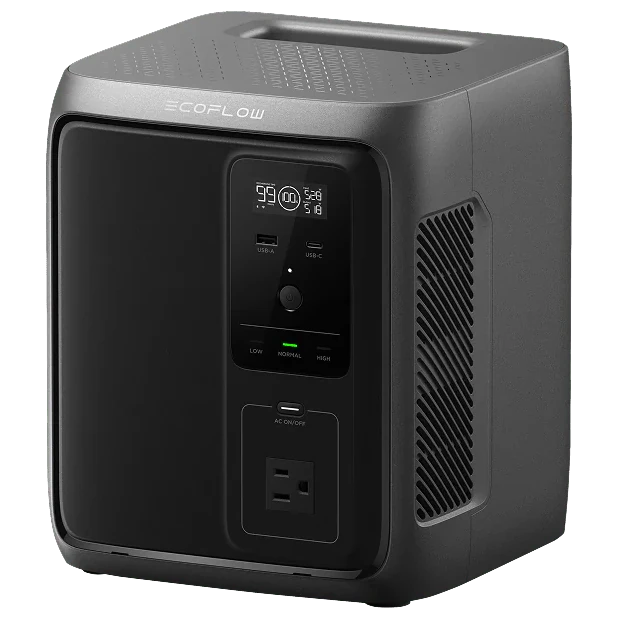
Retired
Successor
DELTA 3 1000 Air → DELTA 3 Classic
EcoFlow has discontinued the DELTA 3 1000 Air — it has left EcoFlow's own store and our price tracking, though remaining retailer stock may linger. Our recommended replacement is the EcoFlow DELTA 3 Classic: the same 1kWh class, with an 1,800W inverter to the Air's 500W.
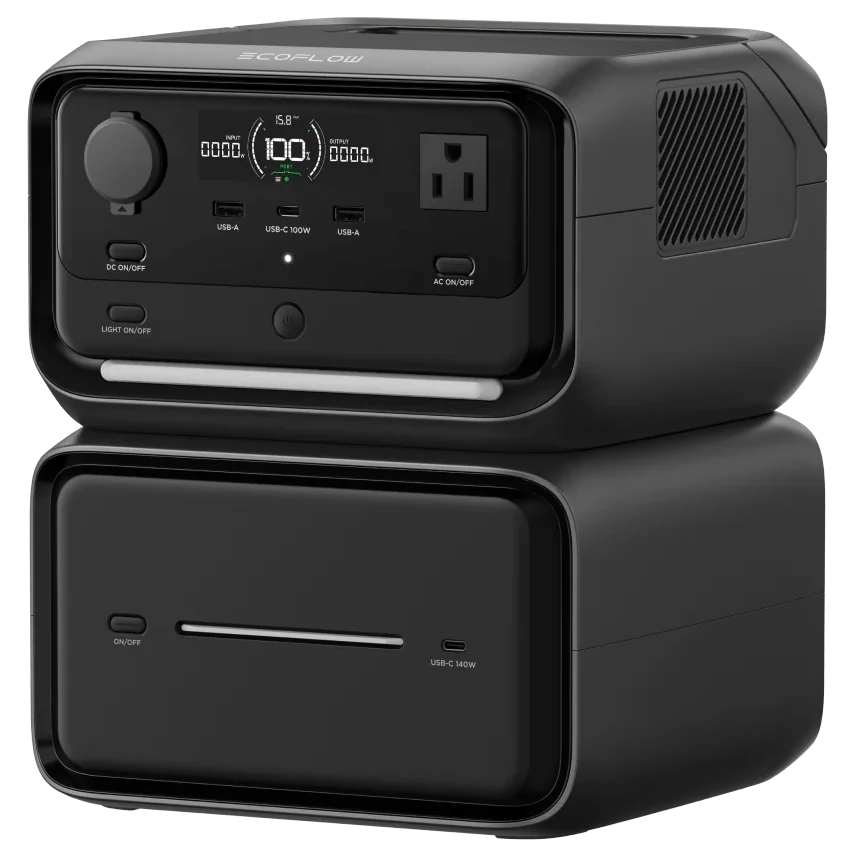
Retired
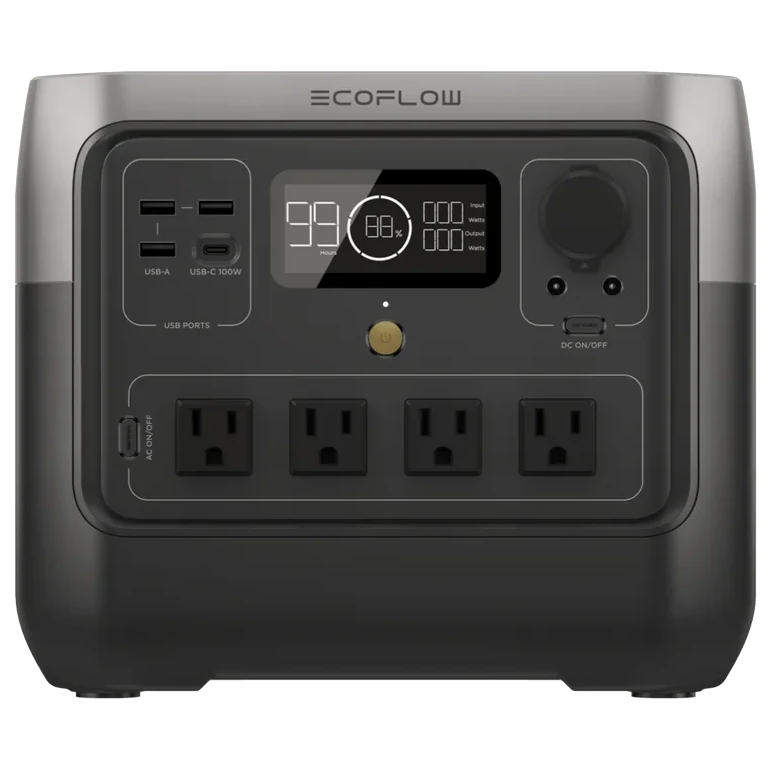
Successor
RIVER 3 MAX PLUS → RIVER 2 Pro
EcoFlow no longer sells the RIVER 3 Max Plus. At this size the closest unit EcoFlow still sells is the RIVER 2 Pro — 768Wh with a stronger 800W inverter, typically for less money. If you'd rather step up in capacity, the DELTA 3 Classic (1,024Wh, 1,800W) is the move.
Retired
Successor
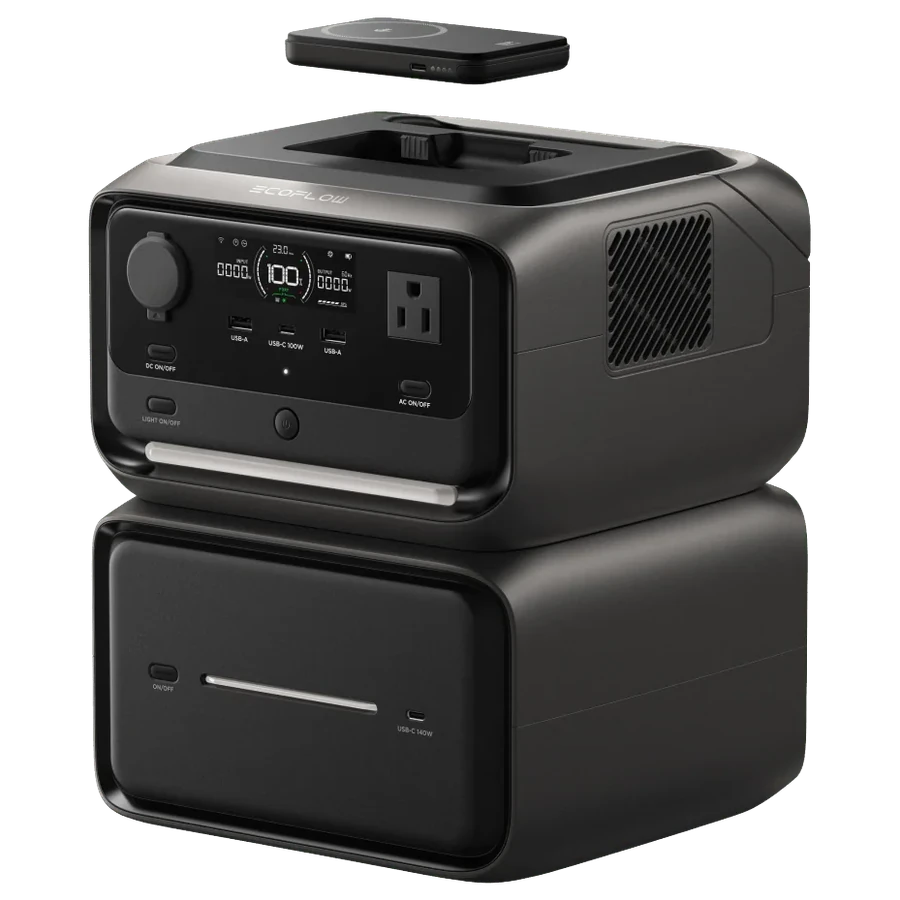
RIVER 3 MAX PLUS WIRELESS → DELTA 3 Classic
EcoFlow has discontinued the RIVER 3 Max Plus Wireless. Our recommended replacement is the DELTA 3 Classic — the same 1kWh-class capacity with a 1,800W inverter to this unit's 600W, usually for less money. You do give up the built-in wireless charging pad.
Anker retired 2: the F2000, replaced by the C2000 Gen 2 at the same capacity, and the C800, replaced by a C800X that currently ships with a panel for less money.
Retired
Successor
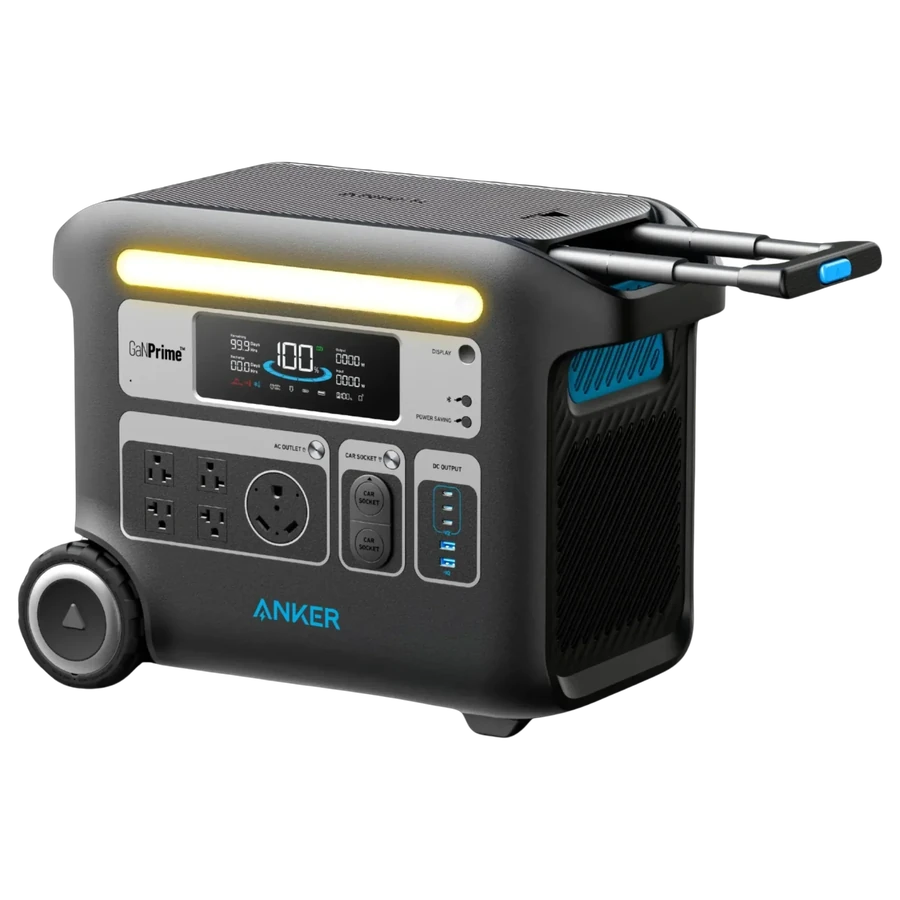
SOLIX F2000 → SOLIX C2000 Gen 2
Anker no longer sells the SOLIX F2000 (PowerHouse 767). Its natural replacement is the SOLIX C2000 Gen 2 — the same 2,048Wh capacity and 2,400W output in a newer design.
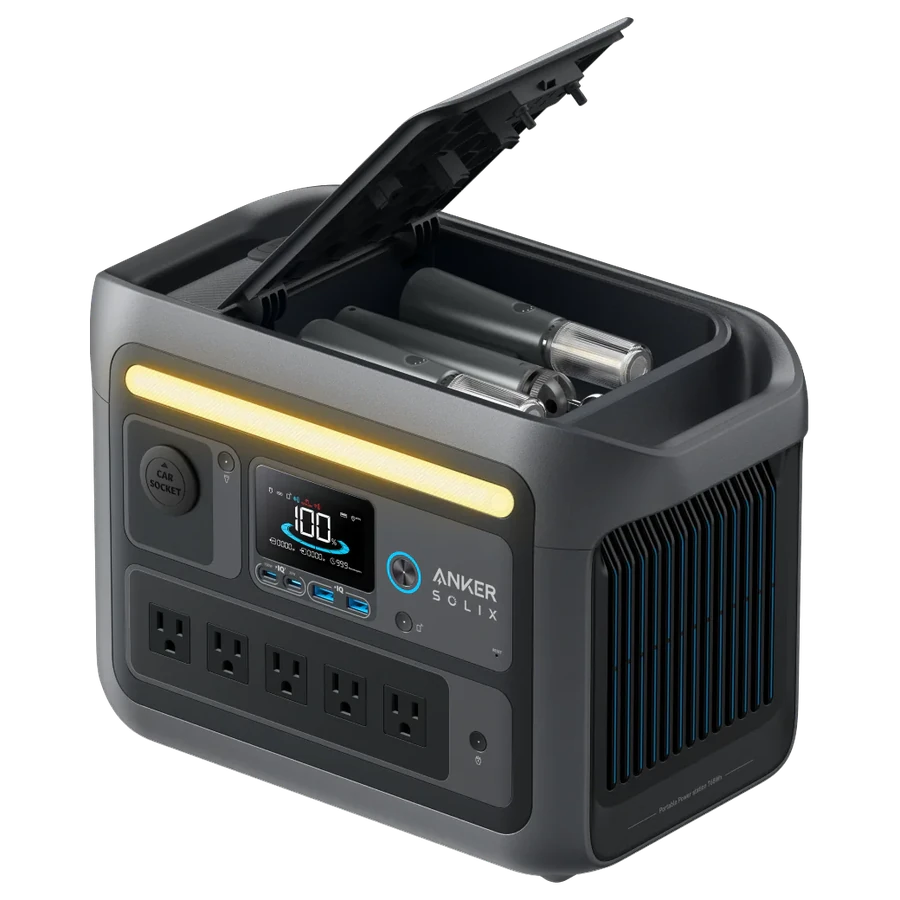
Retired

Successor
SOLIX C800 → SOLIX C800X
Anker has replaced the C800 line with the C800X — at $449.99 it currently ships with a 100W solar panel included, so the newer unit costs less than the C800 did.
12 · Top matchups
The comparisons people search for most
Ordered by search demand. The ringed unit is the winner; the score is the verdict's confidence out of 10.
- EcoFlow DELTA 3 Classic vs Anker SOLIX C2000 Gen 2Anker SOLIX · 8/10
- EcoFlow DELTA 3 Max Plus vs Anker SOLIX C2000 Gen 2EcoFlow · 6/10
- EcoFlow DELTA 3 Classic vs Anker SOLIX C1000 Gen 2EcoFlow · 7/10
- EcoFlow DELTA 3 Classic vs Anker SOLIX C1000EcoFlow · 6/10
- EcoFlow DELTA Pro 3 vs Anker SOLIX F3800 PLUSEcoFlow · 7/10
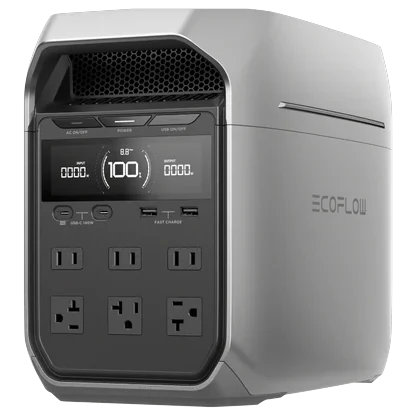 EcoFlow DELTA 3 Plus vs Anker SOLIX C1000 Gen 2Anker SOLIX · 6/10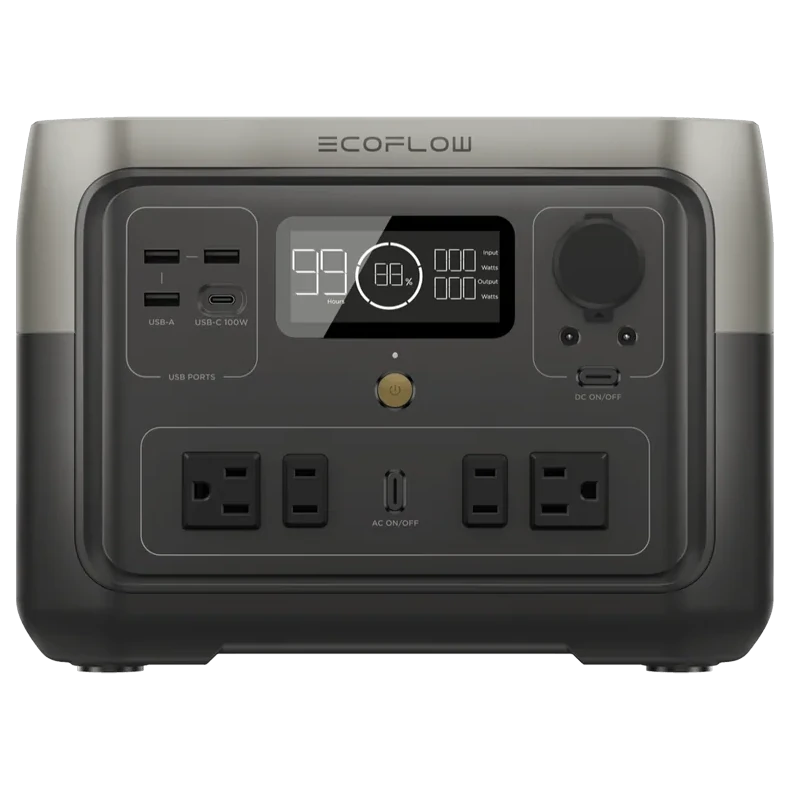
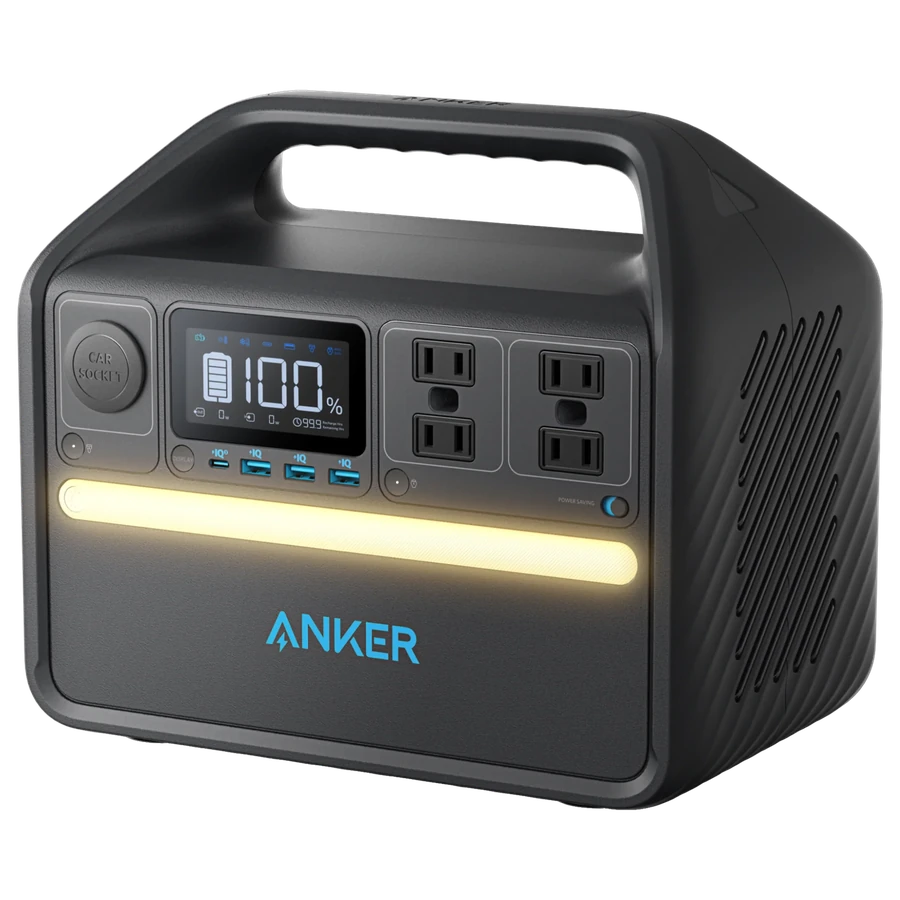 EcoFlow RIVER 2 Max vs Anker 535 PowerHouseEcoFlow · 7/10
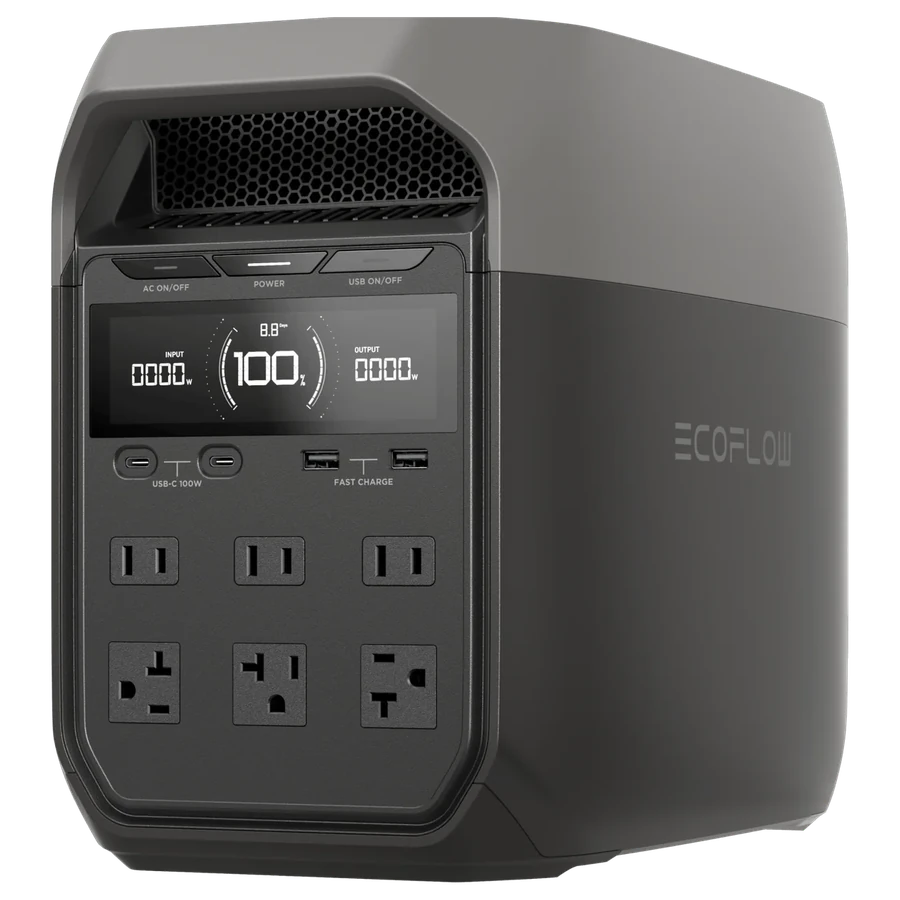 EcoFlow DELTA 3 vs Anker SOLIX C1000Anker SOLIX · 5/10
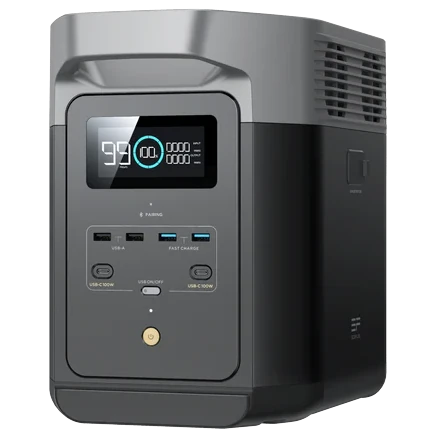 EcoFlow DELTA 2 vs Anker SOLIX C1000Anker SOLIX · 7/10
- EcoFlow DELTA 3 Max vs Anker SOLIX C1000EcoFlow · 8/10
- EcoFlow DELTA 3 vs Anker SOLIX C1000 Gen 2EcoFlow · 6/10
- EcoFlow RIVER 2 Pro vs Anker SOLIX C1000Anker SOLIX · 7/10
- EcoFlow DELTA 3 Max vs Anker SOLIX C2000 Gen 2EcoFlow · 6/10
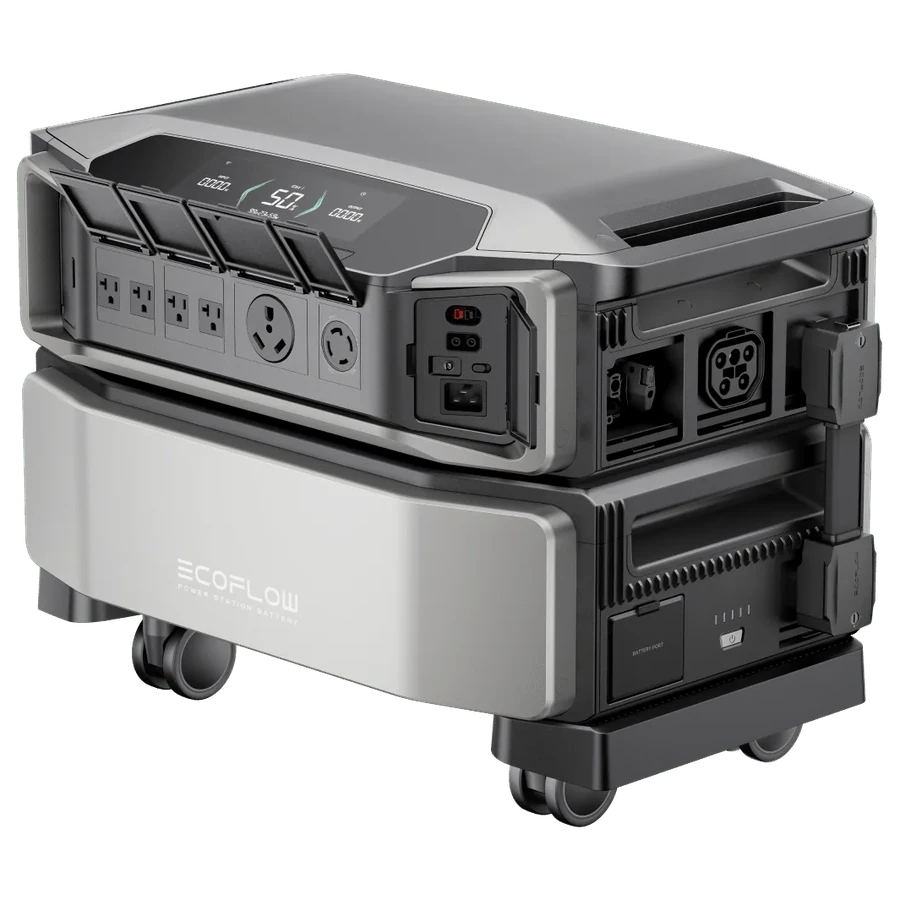 EcoFlow DELTA Pro Ultra vs Anker SOLIX F3800 PLUSEcoFlow · 7/10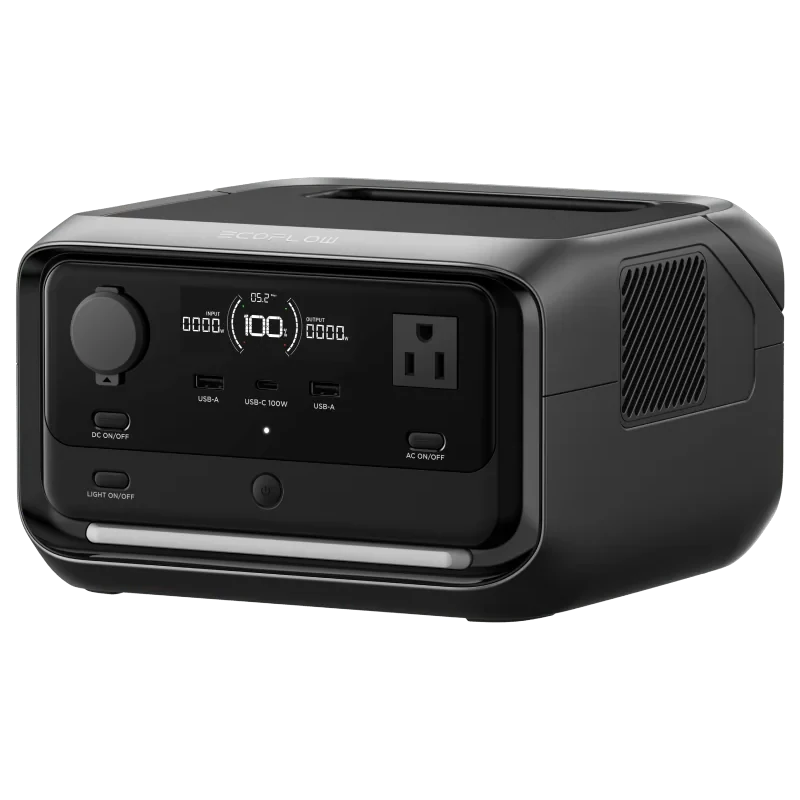
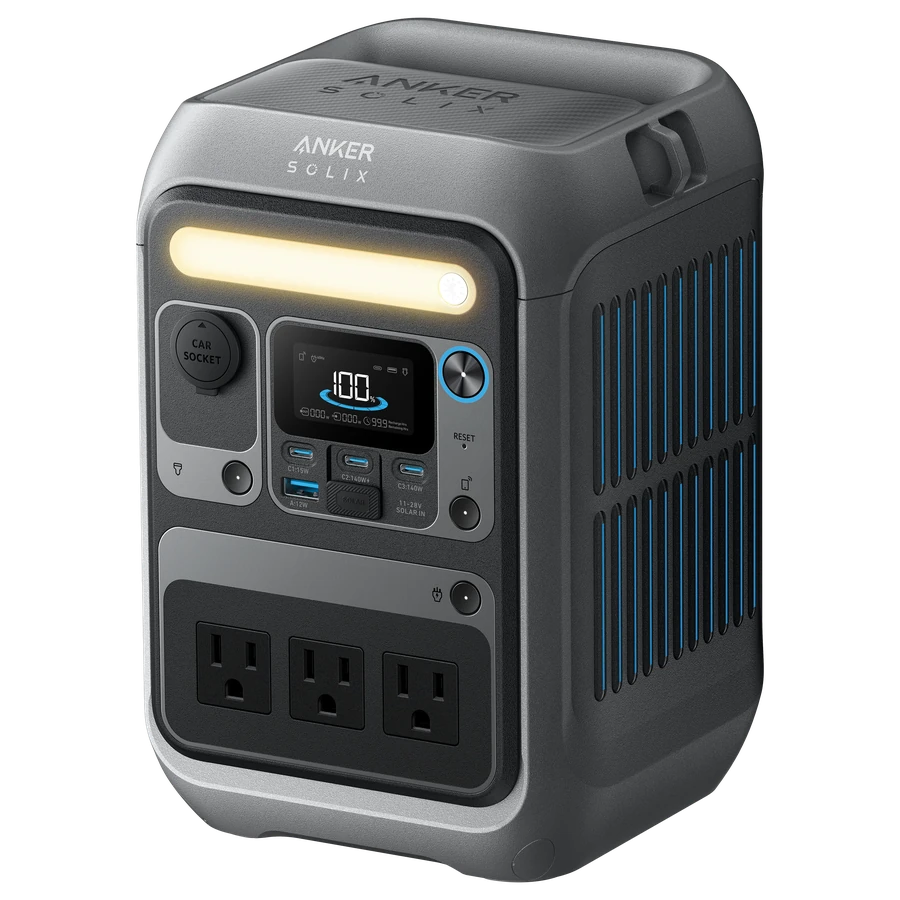 EcoFlow RIVER 3 vs Anker SOLIX C300Anker SOLIX · 6/10
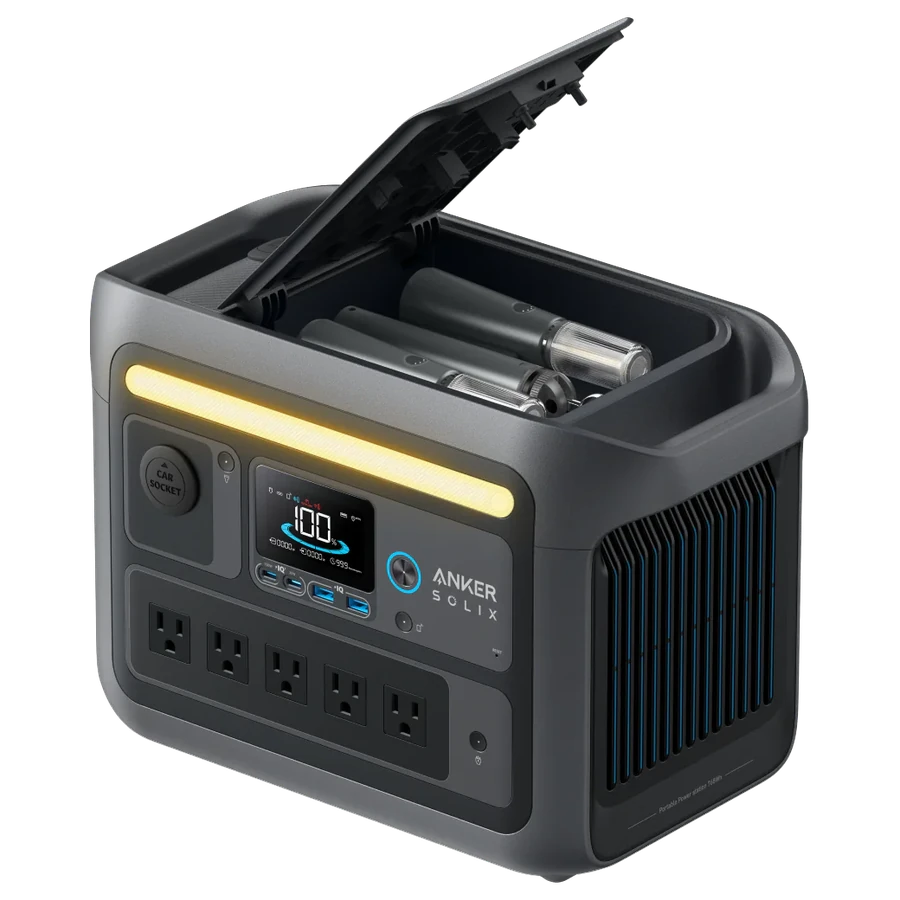 EcoFlow RIVER 2 Pro vs Anker SOLIX C800 PlusEcoFlow · 6/10
- EcoFlow DELTA 3 vs Anker SOLIX C2000 Gen 2Anker SOLIX · 7/10
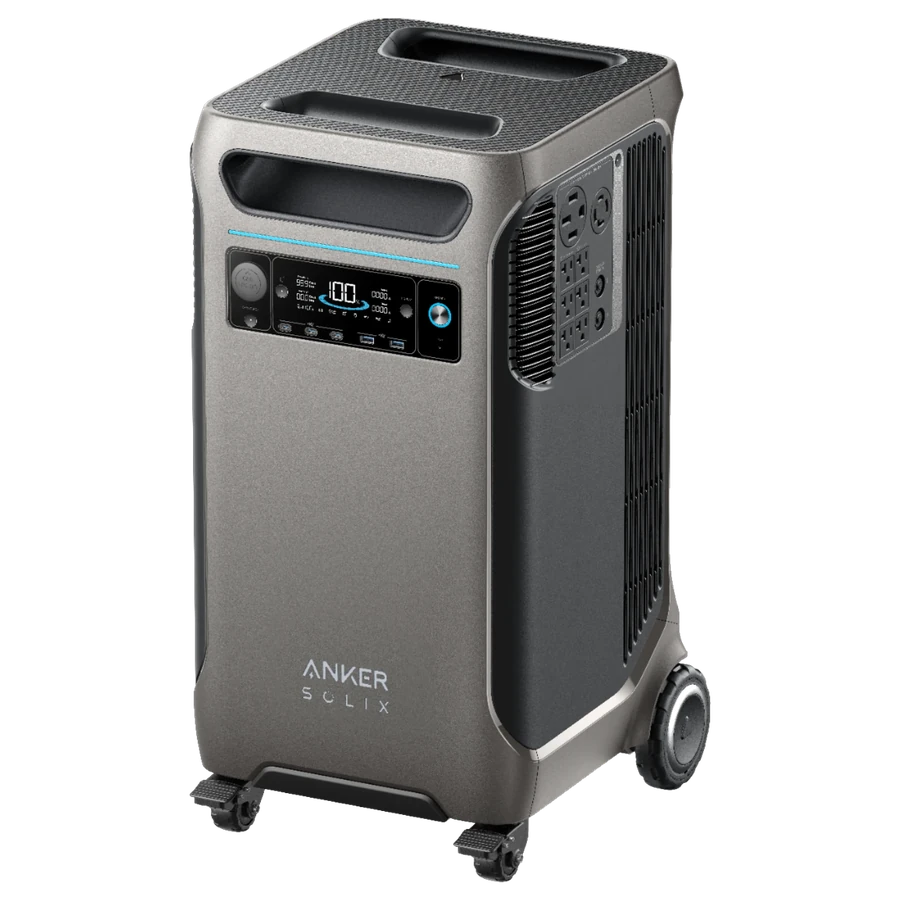 EcoFlow DELTA Pro vs Anker SOLIX F3800EcoFlow · 7/10
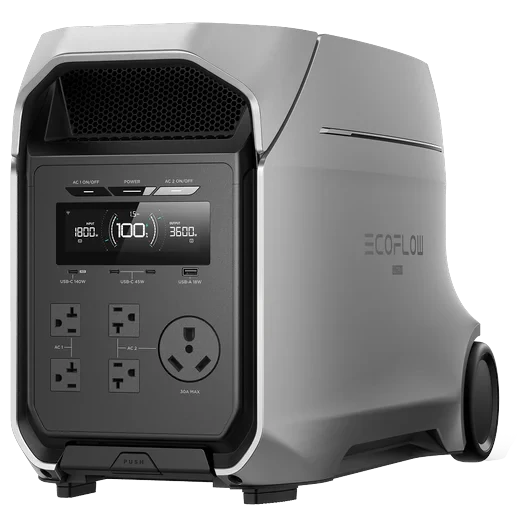 EcoFlow DELTA 3 Ultra Plus vs Anker SOLIX C1000 Gen 2EcoFlow · 7/10
- EcoFlow DELTA 3 Plus vs Anker SOLIX C800 PlusEcoFlow · 7/10
13 · FAQ
EcoFlow or Anker SOLIX: the questions people ask
Is EcoFlow better than Anker SOLIX?
Not as a brand. EcoFlow wins 57 of the 89 head-to-heads we have written and leads under 500 Wh and in the whole-home tier; Anker SOLIX leads the 500 Wh to 2 kWh middle on weight, solar input and rated cycles, and sells the cheaper median watt-hour between 2 and 5 kWh. Pick the capacity first, then the pair.
Which brand is more reliable, EcoFlow or Anker?
We cannot measure failure rates. What we can measure: both catalogs are entirely LFP, both rate most units at 3,000 cycles, and both carry 5-year warranties on the main lines. The exceptions are EcoFlow's 10-year DELTA Pro Ultra and Anker's 3-year C200 DC and C300 DC.
Can I use Anker expansion batteries with EcoFlow, or the other way round?
No. Expansion batteries are proprietary on both sides, which is why the first purchase decides the second. Added capacity costs $0.30 per watt-hour on EcoFlow's DELTA Pro Ultra and $0.33 on Anker's E10 packs.
Which is cheaper per watt-hour, EcoFlow or Anker SOLIX?
On today's typical prices the medians are $0.56 for EcoFlow and $0.59 for Anker across the whole catalog. EcoFlow is cheaper under 500 Wh; Anker is cheaper between 2 and 5 kWh; the bands in between are even.
Which brand discounts more often?
EcoFlow, by a wide margin: 20 price drops against Anker's 3 over the same 53 days, usually small ones. Anker's cuts are rarer and deeper, led by the SOLIX C300 at 10.0% under typical price.
Which has the better UPS mode?
EcoFlow lists a UPS mode on every current unit, twelve of them at 10 ms or faster. Anker lists it on 82% of units, six of them at 10 ms or faster; the three without are DC-only boxes and the 535 PowerHouse.
Are Anker and EcoFlow the same company?
No. Anker Innovations and EcoFlow Technology are separate companies. Both are headquartered in Shenzhen, and both build their current power stations on LFP cells.
How these numbers were made
Instruments were computed on 2026-09-08 from the 23 EcoFlow and 25 Anker SOLIX listings in our catalog, excluding retired units and counting each stack configuration once. Prices are the typical prices from our price tracking (23,158 captures, 2026-07-17 to 2026-09-07), not spot or list prices. The head-to-head record counts only published head-to-heads between the two brands; pairs involving a retired unit are excluded from the live tally. Bench verdicts use the same PowerScore benches as our buying guides, ranked over the two brands' current units only. Release dates are held back on purpose.
Our methodology →All EcoFlow power stations →All Anker SOLIX power stations →Affiliate disclosure
Not sure which unit?
Pick your size and use case; we rank three with live prices.