PSA
StationArena
Updated May 2026 · 40+ Models Tested

Never Lose a Night of
Uninterrupted Sleep

Power outages shouldn't mean sleepless nights. We tested 40+ portable power stations to find the ones that keep your CPAP running — all night, every night.

Best Portable Power Stations for CPAP Machines (2026)

Researched & scored by Brennan Noailles·How we test →

Pure Sine Wave Verified Overnight Discharge Tested No Sponsored Rankings

Quick Recommendations

Selected for reliability and runtime efficiency with machines from leading CPAP manufacturers.

Weekend Camper

Portable Choice
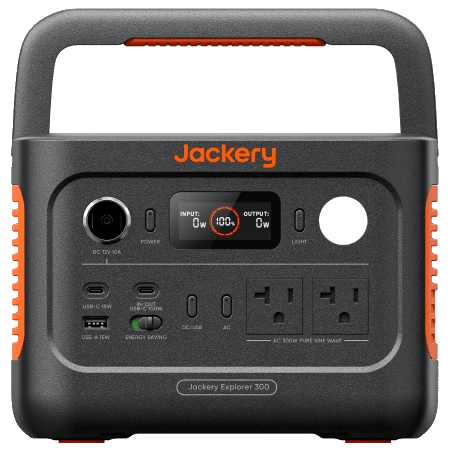
Jackery Explorer 300
  • Fits in a backpack
  • 2-3 nights runtime
  • Whisper quiet
Check Price
MOST POPULAR

Home Backup

Reliable Choice
EcoFlow RIVER 2 Pro
  • <30ms UPS switchover
  • 4-6 nights runtime
  • 70-min fast charge
Check Price

Off-Grid King

Maximum Power
Bluetti AC180
  • 7+ nights runtime
  • Handles heated humidifier
  • 5-year warranty
Check Price
Crucial Information

The "Humidifier Trap"

Most CPAP users don't realize that the heated humidifier and heated tubing consume up to 80% of the power. Running a humidifier can turn a 4-night battery into a 1-night battery instantly.

Pro Tip: Triple Your Runtime

To get maximum life out of any battery, turn OFF your heated humidifier and heated tube settings during an outage.

The DC Advantage

Using a DC Converter cable (12V) instead of a standard AC wall plug is 30% more efficient because it avoids "Inverter Loss."

CPAP Runtime Calculator

Estimate how long your battery will last based on your specific machine.

200Wh2000Wh

Estimated Runtime

53.1Hours
~6.6 Nights

Based on 8W average draw with 85% inverter efficiency.

Common Questions

Everything you need to know about powering your sleep therapy.

Generally, no. TSA and FAA regulations strictly limit lithium batteries to 100Wh (or 160Wh with airline pre-approval). Since a typical CPAP requires at least 300Wh to last a full 8-hour night with a humidifier, most power stations are legally grounded. The best strategy is to carry a flight-approved 'travel battery' like the Medistrom Pilot-24 for the flight itself, and have your larger power station waiting at your destination or shipped ahead.

CPAP User Tip

If you must travel frequently, consider buying multiple 100Wh modular batteries. Some companies make flight-approved battery banks that link together once you reach your destination to create a larger capacity.

Absolutely, provided the unit supports EPS/UPS (Uninterruptible Power Supply) pass-through. Modern LiFePO4 (LFP) units from brands like EcoFlow or Anker are designed exactly for this. They switch to battery power in less than 30ms if your wall power fails, ensuring your CPAP never skips a breath. Because LFP chemistry lasts for 3,000+ cycles (10+ years of daily use), you won't 'wear out' the battery by keeping it plugged in.

CPAP User Tip

To maximize the lifespan of your unit in UPS mode, check the app settings to see if you can limit the max charge to 85% or 90%. Keeping lithium batteries slightly below 100% reduces cell stress.

Most modern units stay under 30dB (whisper-quiet) at the low wattage a CPAP draws. However, the fan kicks in when the internal inverter gets hot. The key to silence is bypassing the AC inverter completely by using a DC-to-DC cable.

CPAP User Tip

If you use a DC power cord for your CPAP instead of the standard AC wall plug, the power station's inverter stays off. This generates almost zero heat, keeps the fan completely silent, and increases your battery efficiency by up to 25%.

It depends entirely on your humidifier settings. A 500Wh unit (like the Jackery 500) will typically last 1 night with heat and humidity turned on, or 3-4 nights if you turn the humidifier off and use a DC adapter. Always look for a unit with at least 20% more capacity than your math dictates to account for 'inverter conversion loss' and battery degradation over time.

Yes, this is non-negotiable. Medical devices are sensitive electronics. A 'Modified Sine Wave' (found in cheap, generic batteries or old vehicle inverters) provides choppy power that can cause motor hum, excess heat, or permanently damage your machine’s motherboard. All major brands we recommend (EcoFlow, Bluetti, Jackery) use Pure Sine Wave inverters that cleanly mimic the power from your home wall outlet.

This is the 'Infinite Power' setup. A 100W or 200W portable solar panel can usually top off a 500Wh station in 4-6 hours of direct sunlight. This allows for indefinite off-grid CPAP use without ever needing a wall outlet. For the best results, use a power station with an MPPT (Maximum Power Point Tracking) solar charge controller, which pulls 30% more energy from the panels.

This is the #1 efficiency secret for CPAP camping. Using the AC outlet wastes about 15-20% of your battery's energy just converting the DC battery power into AC wall power, only for your CPAP power brick to convert it back to DC. Buying a specific DC power cord for your CPAP (e.g., ResMed AirSense 10/11 DC Cable) allows you to plug directly into the 12V port, skipping the conversion and giving you significantly more runtime.

Loading Power Score leaderboard…

Don't Leave Your Sleep to Chance

Secure your peace of mind today with a reliable backup power source.