Compare Portable Power Stations.
Find the one that fits.
Power station websites are cluttered, confusing, and built to sell — not inform. We cut through the noise with spec-by-spec comparisons across every major brand, so you can spot the real differences, find equivalents, and see where the value actually is.
Power Score Rankings
One score across 14 spec dimensions, so models from different brands land on the same axis. Ranked at every price point.
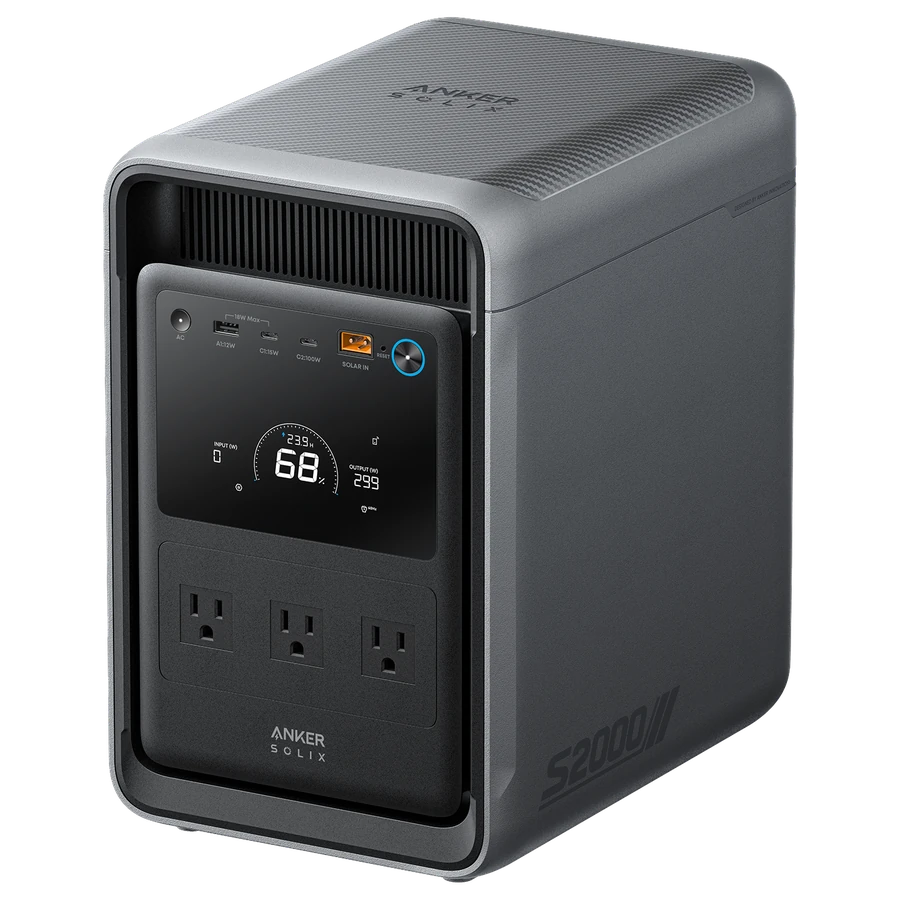
Highest Power Score under $800
Anker SOLIX S2000
The best score anyone manages at this price, and where most people should start. Spending more buys more, and the bands below show exactly how much more.
Capacity
2,009.6 Wh
Output
1,500W
Power Score
4,354
Appliance Class
Price
On Amazon
⚡ Overall Power Score Rankings
Top 3 per price range · Ranked by overall performance
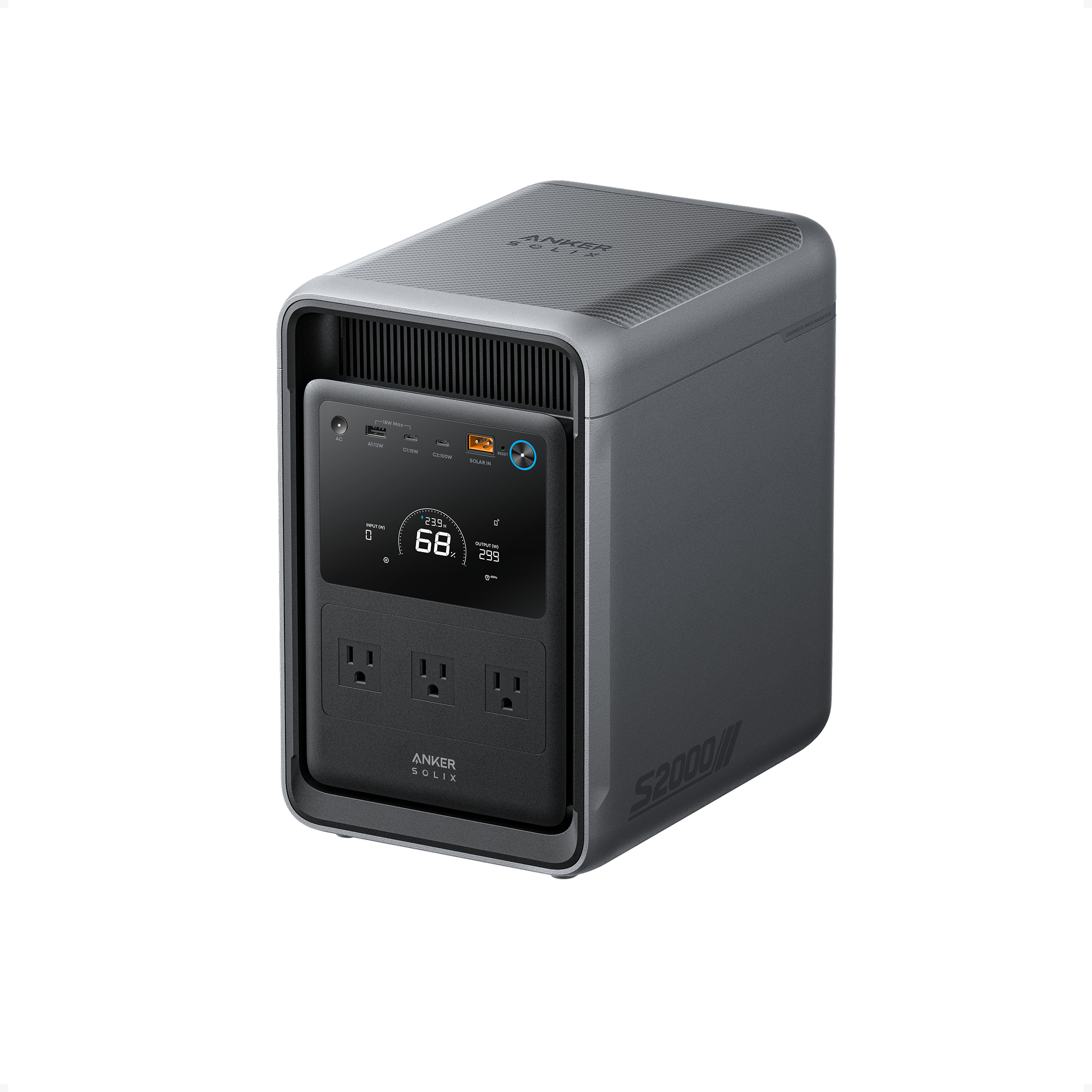
2,009.6 Wh · 1,500W
Leads the under-$800 class on capacity and price per watt-hour. 2,010Wh LiFePO4 battery rated for 10,000 cycles, 1,500W inverter (3,000W surge), 400W solar input, 10ms UPS switchover, 5-year warranty and 35.7 lb. Sized for serious RV use and a day of home essentials.
4,354
Appliance Class
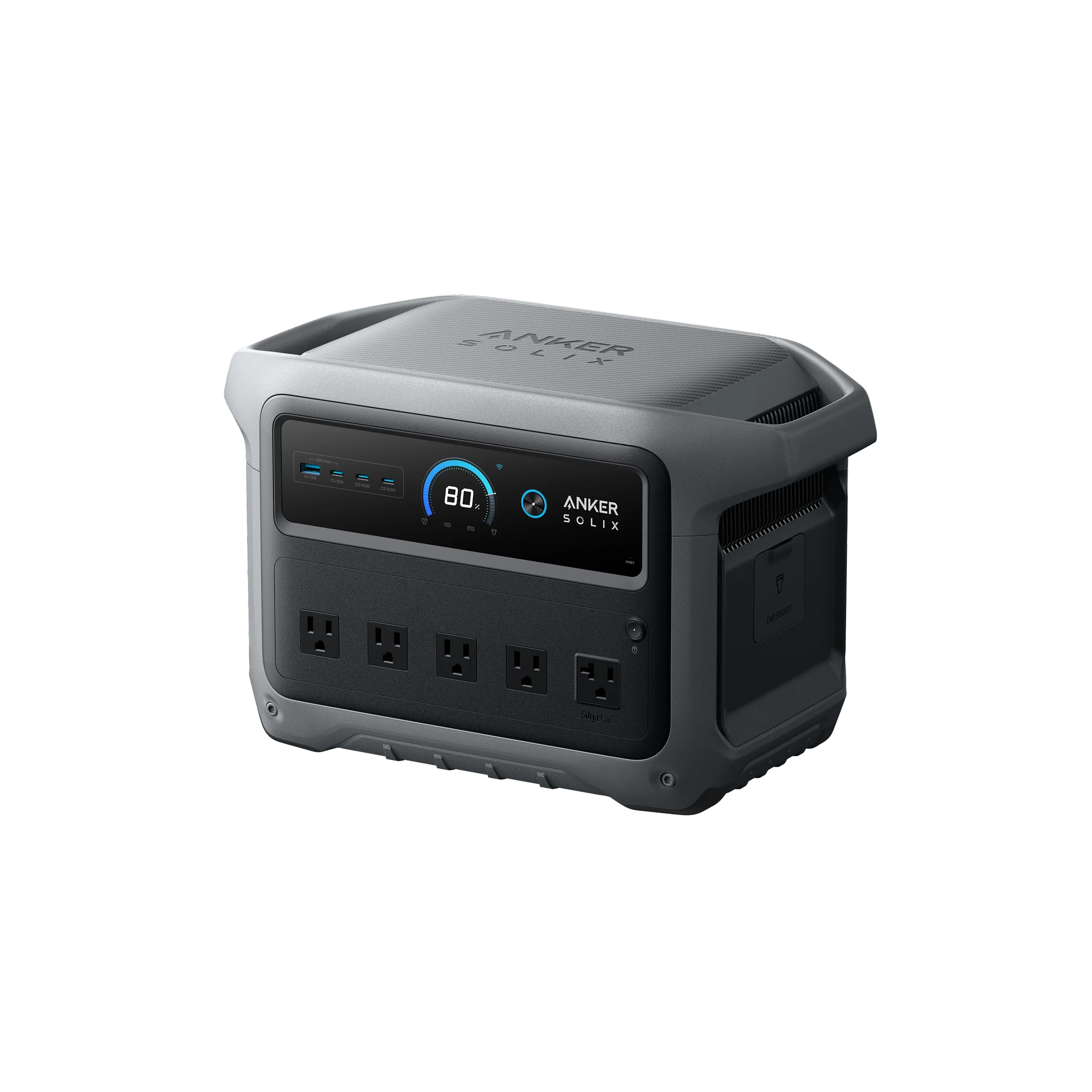
1,024 Wh · 2,000W
1,024Wh LiFePO4 battery rated for 4,000 cycles, 2,000W inverter (3,000W surge), 600W solar input, 10ms UPS switchover, expandable with add-on batteries, 5-year warranty and 24.9 lb. Sized for a fridge for a day, camping and RV trips, and short outages.
3,226
Appliance Class

1,264 Wh · 2,000W
Leads the under-$800 class on surge headroom. 1,264Wh LiFePO4 battery rated for 4,000 cycles, 2,000W inverter (4,000W surge), 800W solar input, 20ms UPS switchover, expandable with add-on batteries, 5-year warranty and 32 lb. Sized for a fridge for a day, camping and RV trips, and short outages.
3,200
Appliance Class

Jackery HomePower 3600 Pro Max
3,584 Wh · 4,000W
Leads the $800–$2,000 class on inverter output and surge headroom. 3,584Wh LiFePO4 battery rated for 6,000 cycles, 4,000W inverter (8,000W surge), 1,200W solar input, 10ms UPS switchover, expandable with add-on batteries, 5-year warranty and 73.9 lb. Sized for multi-appliance home backup.
5,278
The AC & Fridge Zone

3,584 Wh · 3,600W
3,584Wh LiFePO4 battery rated for 6,000 cycles, 3,600W inverter (7,200W surge), 1,000W solar input, 10ms UPS switchover, expandable with add-on batteries, 5-year warranty and 77.2 lb. Sized for multi-appliance home backup.
5,104
The AC & Fridge Zone

3,840 Wh · 2,600W
Leads the $800–$2,000 class on capacity. 3,840Wh LiFePO4 battery rated for 3,000 cycles, 2,600W inverter (5,200W surge), 1,000W solar input, 15ms UPS switchover, 5-year warranty and 85 lb. Sized for multi-appliance home backup.
4,882
Appliance Class
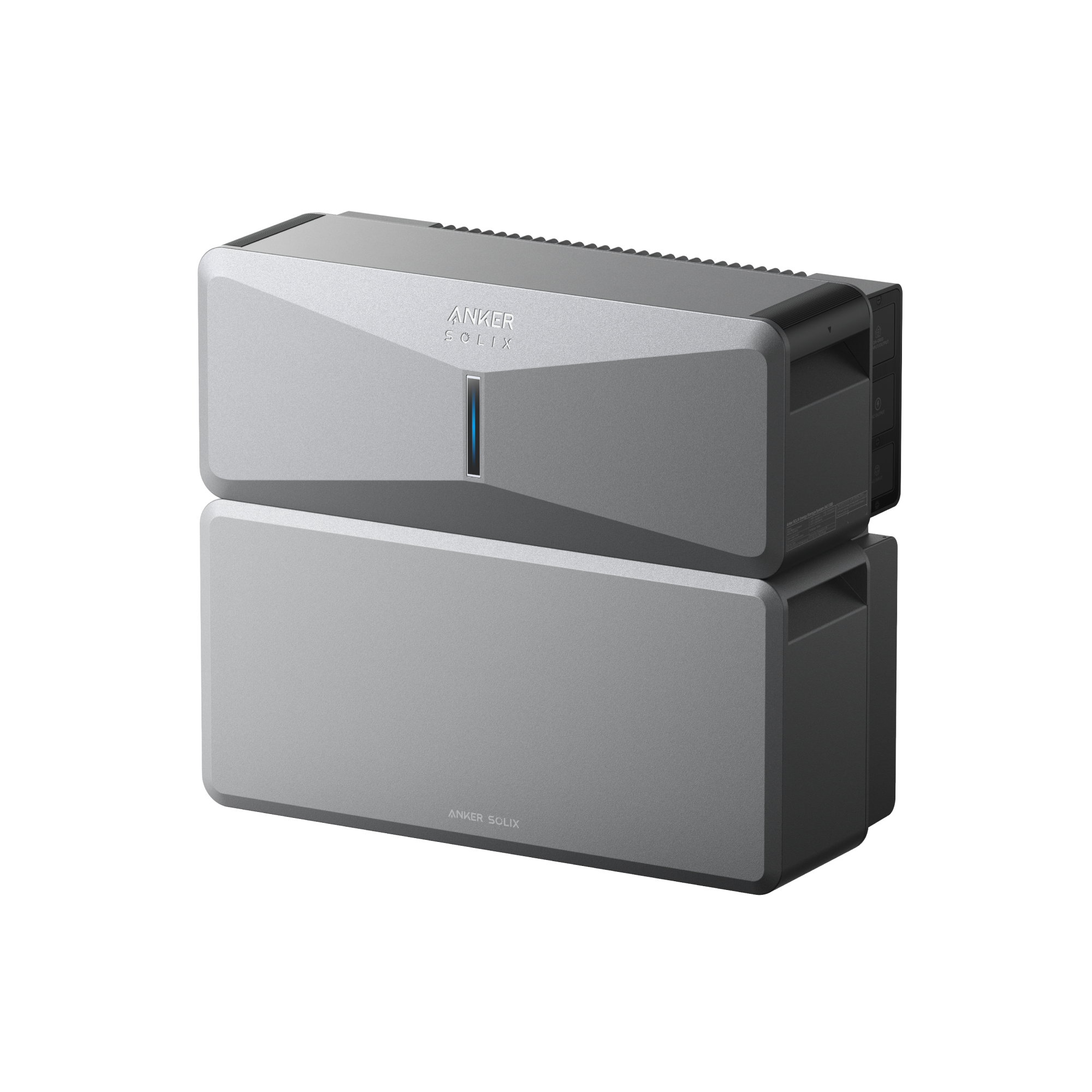
Anker 2*SOLIX E10 + 10*B6000 + Power Dock
61,440 Wh · 15,200W
Leads the $2k-and-up class on capacity. 61,440Wh LiFePO4 battery rated for 4,000 cycles, 15,200W hardwired inverter, 18,000W solar input, 20ms UPS switchover and 5-year warranty. Sized for whole-panel, multi-day home backup.
36,580
Grid-Independent
Anker 2*SOLIX E10 + 8*B6000 + Power Dock
49,152 Wh · 15,200W
Second in the $2k-and-up class for capacity. 49,152Wh LiFePO4 battery rated for 4,000 cycles, 15,200W hardwired inverter, 18,000W solar input, 20ms UPS switchover, expandable with add-on batteries and 5-year warranty. Sized for whole-panel, multi-day home backup.
31,100
Grid-Independent

BLUETTI 2*EP900 + 8*B500
39,680 Wh · 18,000W
Leads the $2k-and-up class on inverter output. 39,680Wh LiFePO4 battery rated for 6,000 cycles, 18,000W hardwired inverter, 18,000W solar input, 10ms UPS switchover and 10-year warranty. Sized for whole-panel, multi-day home backup.
27,317
Grid-Independent
Power Station Calculator
Tell us what you run. Get the station that runs it.
Type it, paste it or say it — there is no form. We work out how long it has to last, the most it draws at once and the surge that starts your biggest motor, then pick from every station we track.
Describe your setupOr open one already sized: a full-time RV with Starlink, a weekend camping, a CPAP for two nights or a sump pump through a storm.
For example
Refrigerator, freezer, Wi-Fi, four lights and two phones, for 24 hours.
- To last
- 2,849 Wh
- Running
- 340 W
- To start the refrigerator
- 1,390 W
- refrigerator
- freezer
- Wi-Fi
- everything else
- 415 Wh spare
Fits today: BLUETTI Elite 400 3,840 Wh
Open it and change the numbers →
Compare Power Station Specs
Side-by-side comparison of the top performers in each category, ranked by our Power Score benchmark.
Models
best portable in our catalogue
Black Friday 2026 · 31 days out
11 power stations are below their usual price today
Every discount measured against what the unit actually sold for, read from each maker’s store twice a day. Never the “was” price.
See today's Black Friday deals →BLUETTI
Elite 320
$936−15%
usual $1,100 · lowest recorded
See the deal at US Solar Supplier →Jackery
Explorer 1000 Plus
$619−11%
usual $699 · lowest recorded
See the deal at Jackery →Jackery
Explorer 1500 v2
$849−11%
usual $949
See the deal at Jackery →
About to Buy? See What Is About to Launch.
7 power stations on the way and not on sale yet, with the confirmed specs, what is still unpublished, and what you can buy today instead.
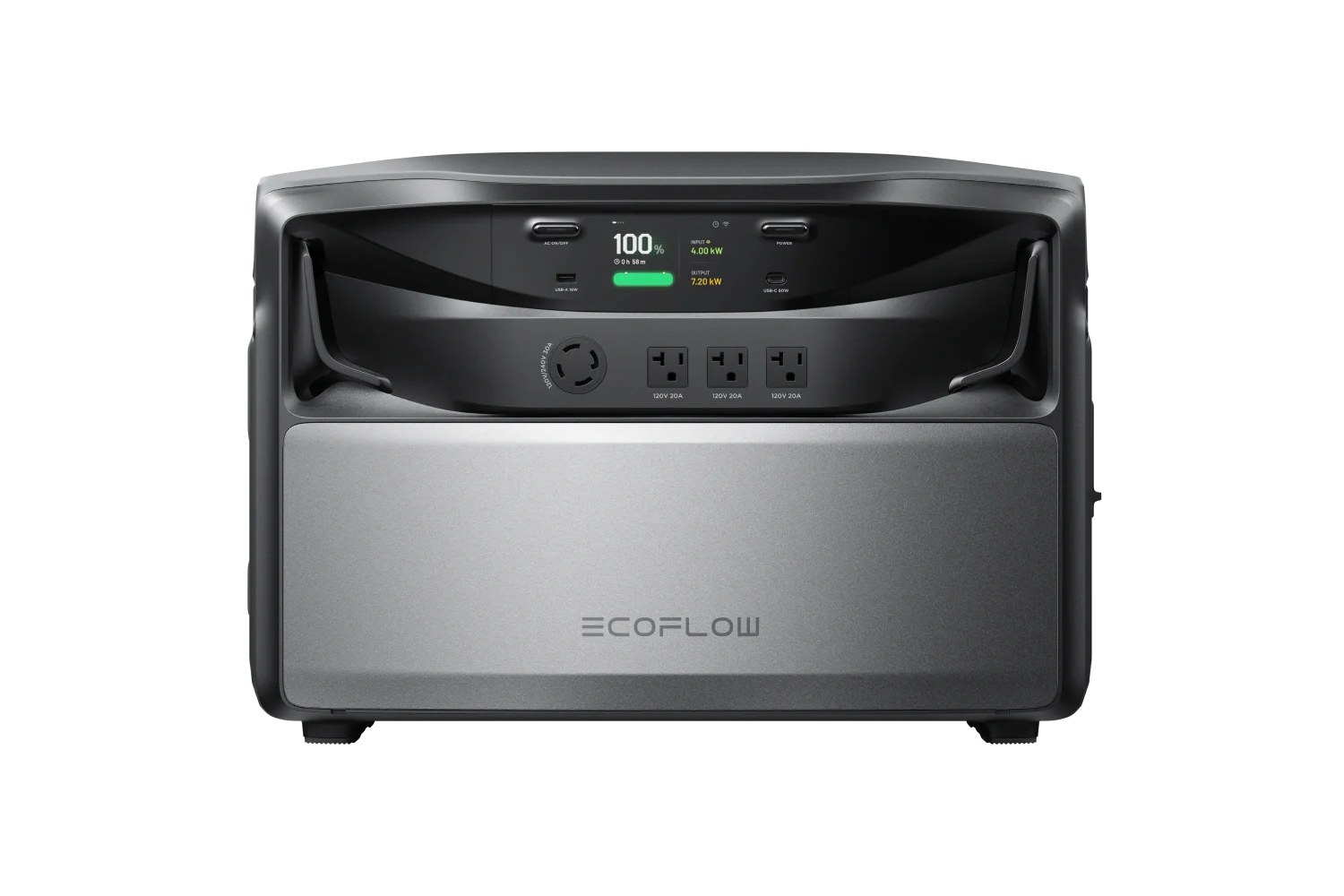
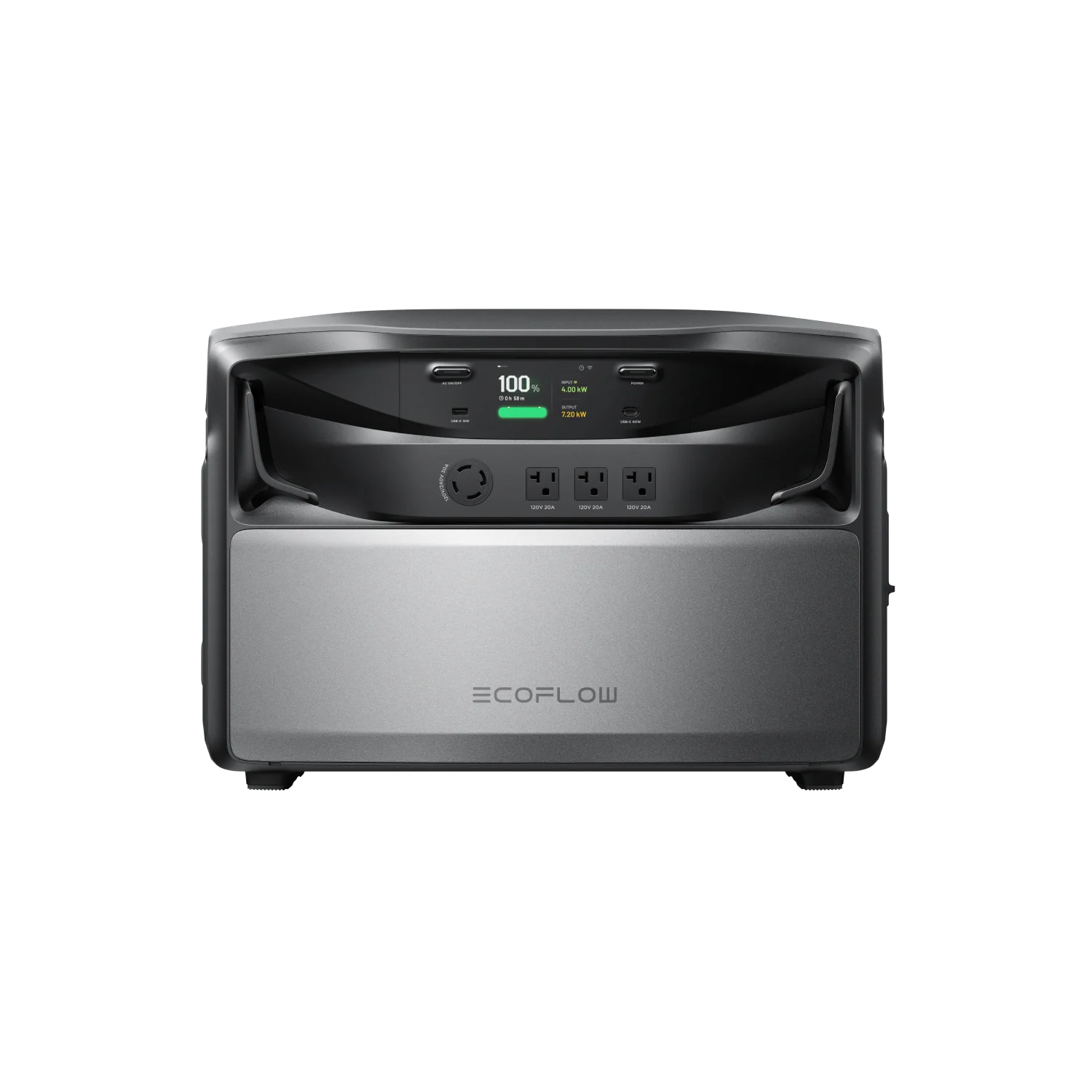
EcoFlow TITAN 5000
Up to 5.02 kWh · 7,200 W · expands to 30 kWh
- Unannounced
- Announced
- Pre-order
- On sale
Anker SOLIX S5000
5.02 kWh · 4,500 W · expands to 30 kWh
- Unannounced
- Announced
- Pre-order
- On sale
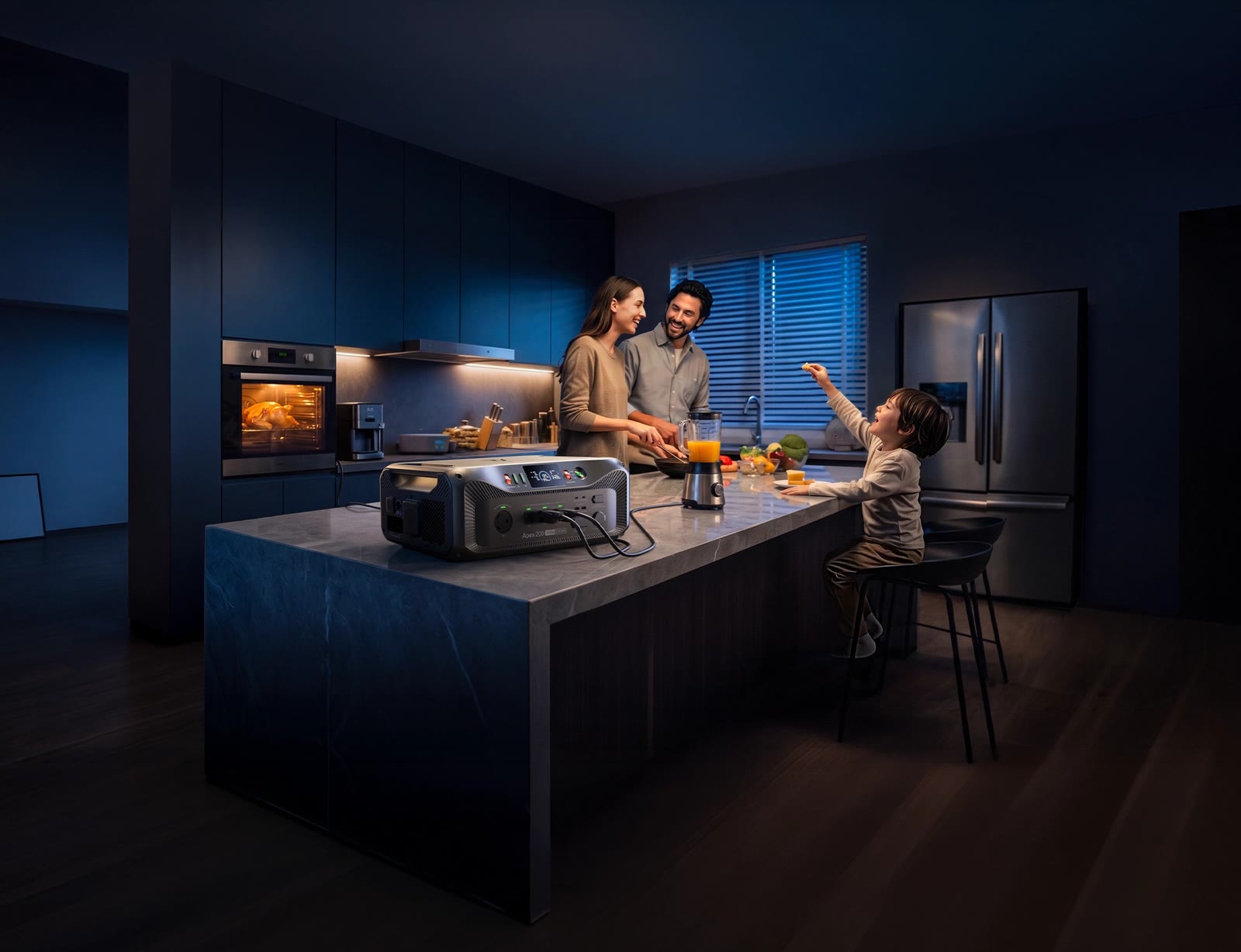
BLUETTI Apex 200
2.56 kWh · 3,200 W · expands to 33 kWh
- Unannounced
- Announced
- Pre-order
- On sale
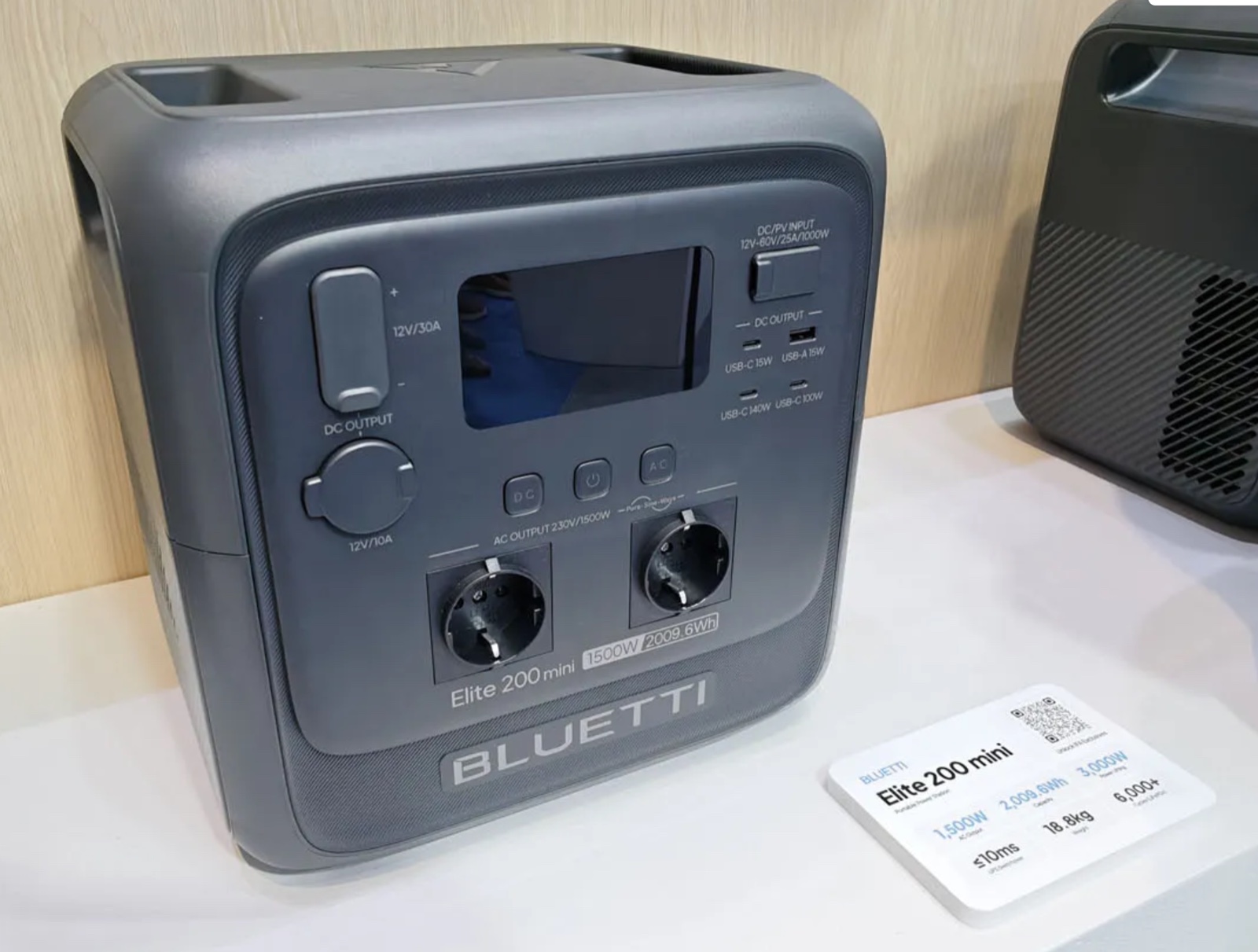
BLUETTI Elite 200 mini and Elite 30 mini
Up to 2.01 kWh · 1,500 W
- Unannounced
- Announced
- Pre-order
- On sale
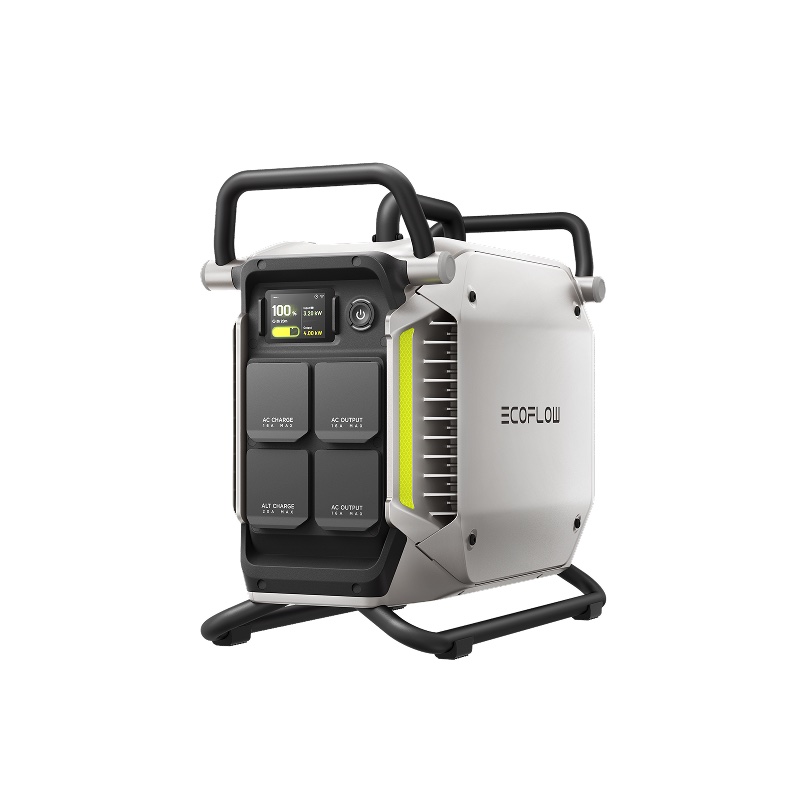
EcoFlow PowerRock 4000
3.07 kWh · 4,000 W
- Unannounced
- Announced
- Pre-order
- On sale
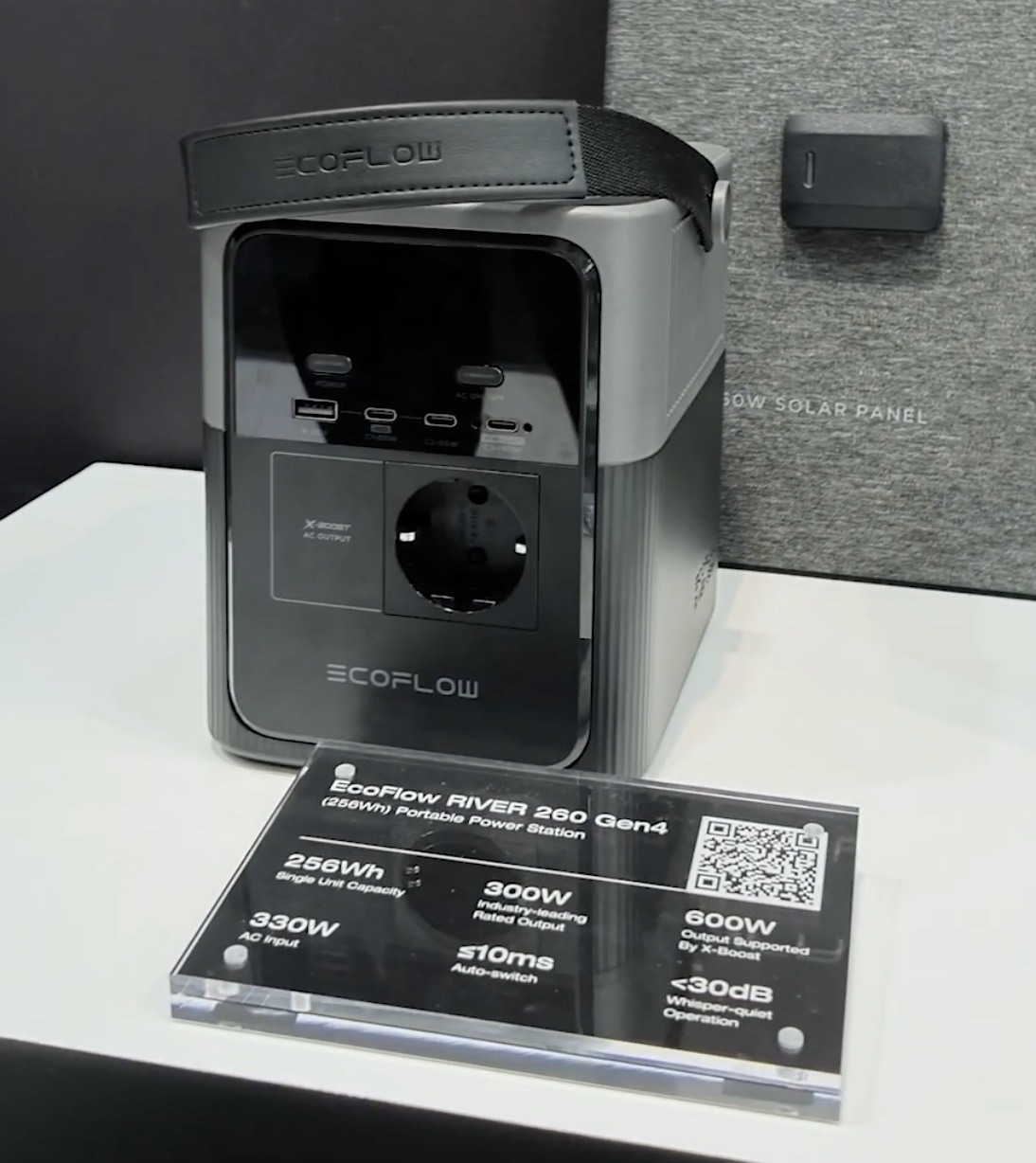
EcoFlow RIVER 260 and 520
Up to 512 Wh · 500 W
- Unannounced
- Announced
- Pre-order
- On sale
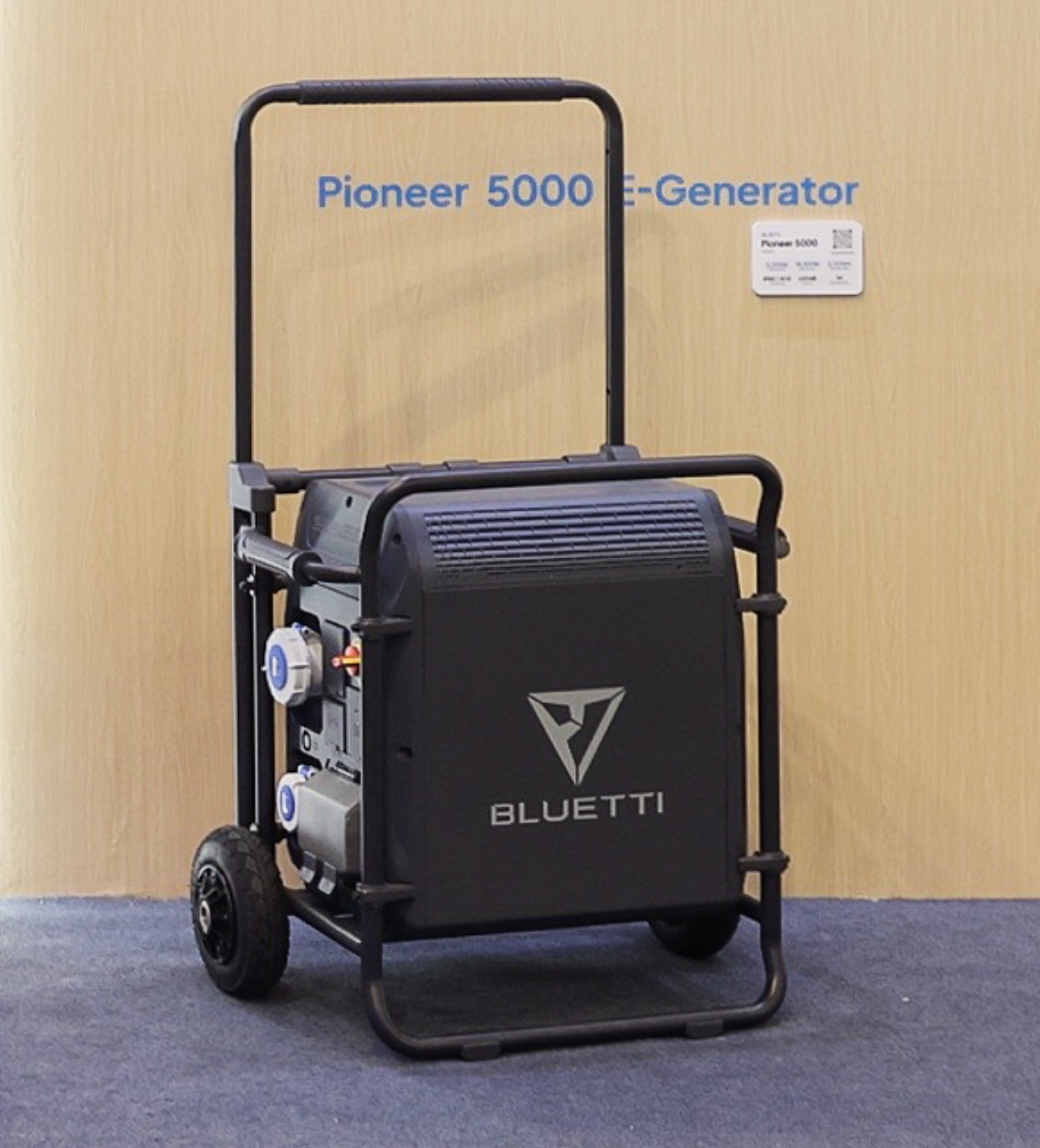
BLUETTI Pioneer 5000
5.12 kWh · 5,000 W · 18,000 W surge
- Unannounced
- Announced
- Pre-order
- On sale
You're Not Confused. The Naming Is.
DELTA or RIVER. Explorer or HomePower. SOLIX C, F or S. AC or Elite. You came to buy one thing and got handed an alphabet, and nowhere on any of these sites does anyone just tell you what the ranges are. So you do what everybody does. You sort by price, you squint at the capacity numbers, and you hope.
Here is what makes that expensive. Two units can show you the exact same number on the box and be built for completely different lives. One is meant to be picked up and carried to a campsite twice a month. The other is meant to be set down once, wired to a panel, and grown for the next ten years. Put them side by side and read every row, and the spec sheet will never once tell you that.
So start one step earlier. Work out which line you are actually shopping in, and the model very nearly picks itself. That is the whole job of the pages below.
What Will You Power?
Deep-dive guides with calculators, product picks, and expert advice for every scenario.
Shop by Brand






Free Power Station Tools & Calculators
No signup, no spreadsheet — compare models and size your setup right in your browser.
Describe what you run, in your own words. Get the station that runs it — sized for runtime, peak watts and start-up surge.
Filter, sort, and compare every tested model by capacity, price, ports, and PowerScore.
Pick a station, add panels and what you run. See if it’s safe to connect — and still running at sunrise.
Every panel side by side — $ per watt, weight, voltage — and which ones fit your power station’s input.
Drop up to 4 models into a head-to-head spec table and see every difference at a glance.
Size a battery for your rig from real appliance loads and days off-grid.
Size a battery for one or two CPAPs — nights of runtime, and which outlet each machine plugs into.
Estimate how long any power station keeps your Starlink dish online off-grid.
Answer 5 quick questions and get matched to your best model in about 60 seconds.
Still not sure which one to get?
Five questions on budget, use case and must-haves — free, no email.
Never Miss a Deal
Price drops, coupon codes, and new releases — straight to your inbox. No spam, unsubscribe anytime.
By subscribing, you agree to our Privacy Policy. Unsubscribe anytime.
Join 4,200+ power station enthusiasts
Frequently Asked Questions
Quick answers to the most common questions from our community.