Series comparisons




Power StationSeries Comparisons
DELTA or RIVER. Explorer or HomePower. SOLIX C, F or S. Every brand invented its own vocabulary and none of them explain it, so most people end up picking by price or by the biggest number they can talk themselves into. When that goes wrong, it goes wrong in one direction almost every time: should have gone bigger.
Choosing the line before the model is what prevents that, and it's the step nearly everyone skips. These comparisons take it with you — what each range is genuinely built for, where two of them actually compete, and where one shared capacity number is hiding two completely different machines.
- Comparisons
- 13line vs line
- Brands
- 5covered
- Models included
- 116across all lines
- Capacity range
- 128–61,440Wh
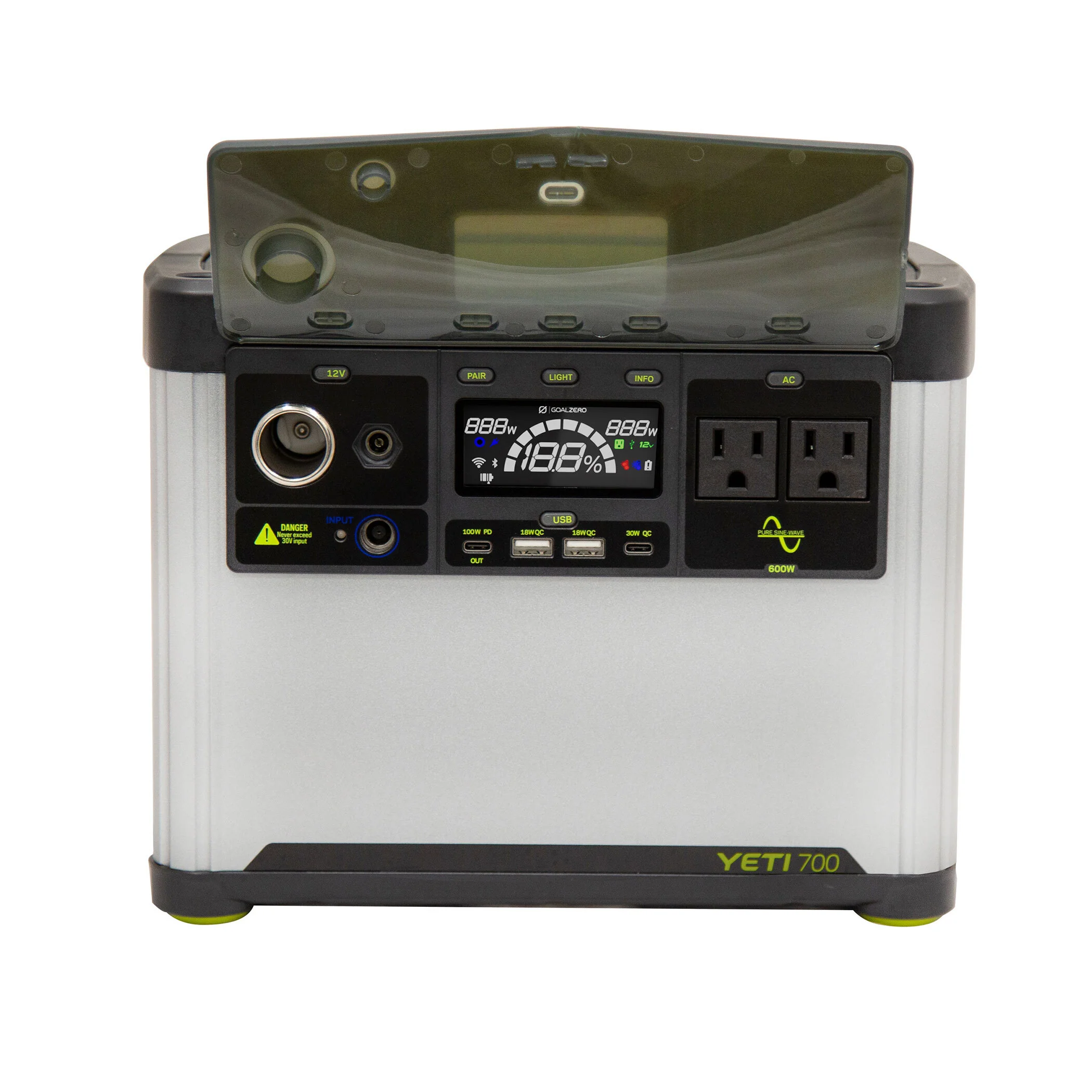
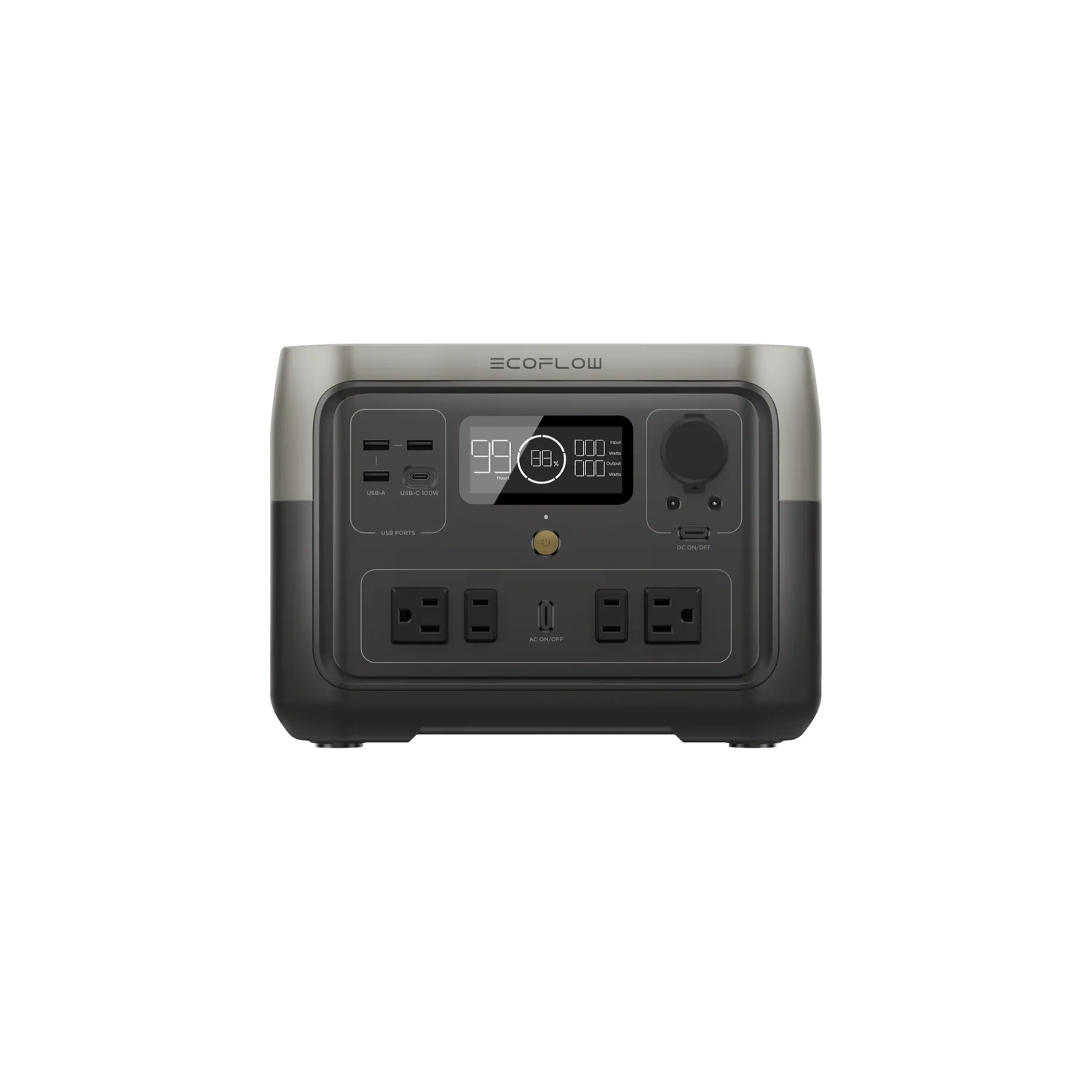 Goal Zero Yeti297–1,505 Wh
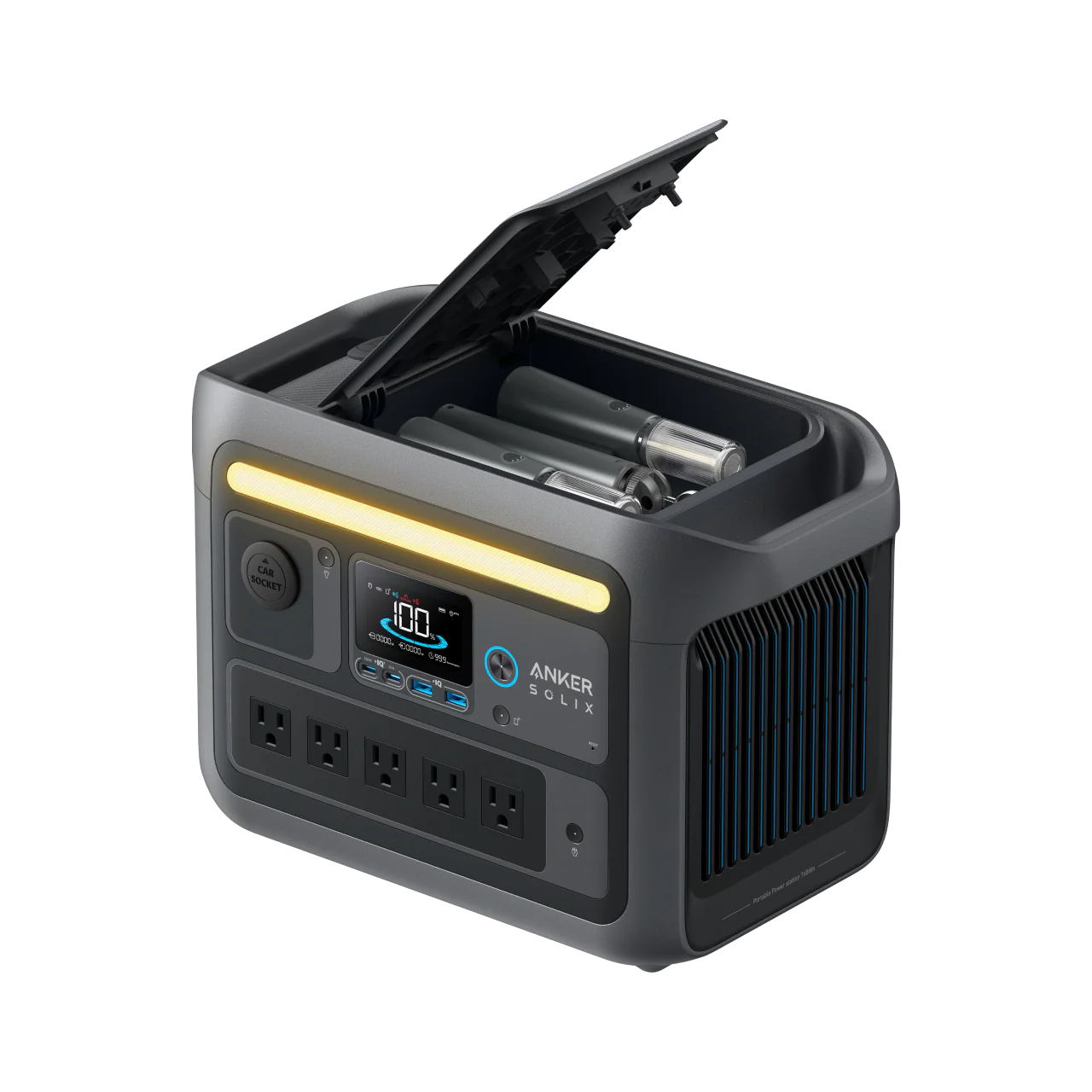
 Anker SOLIX C192–2,048 Wh
 DJI Power512–2,048 Wh
 Jackery Explorer288–10,080 Wh
 Goal Zero Yeti X187–6,071 Wh
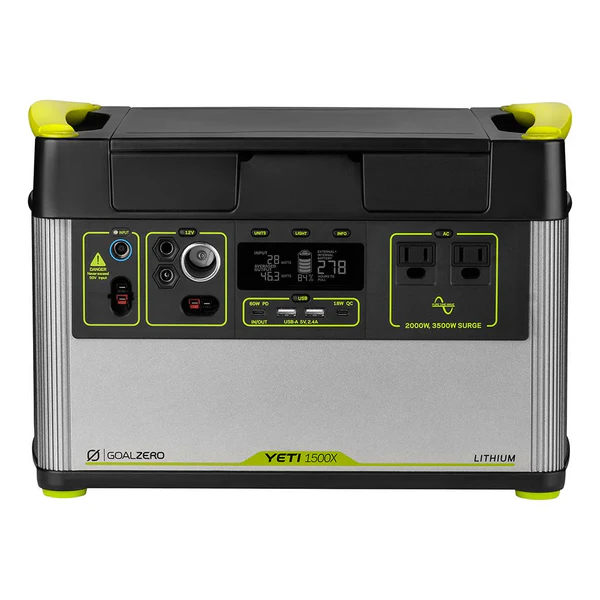 EcoFlow DELTA960–3,072 Wh
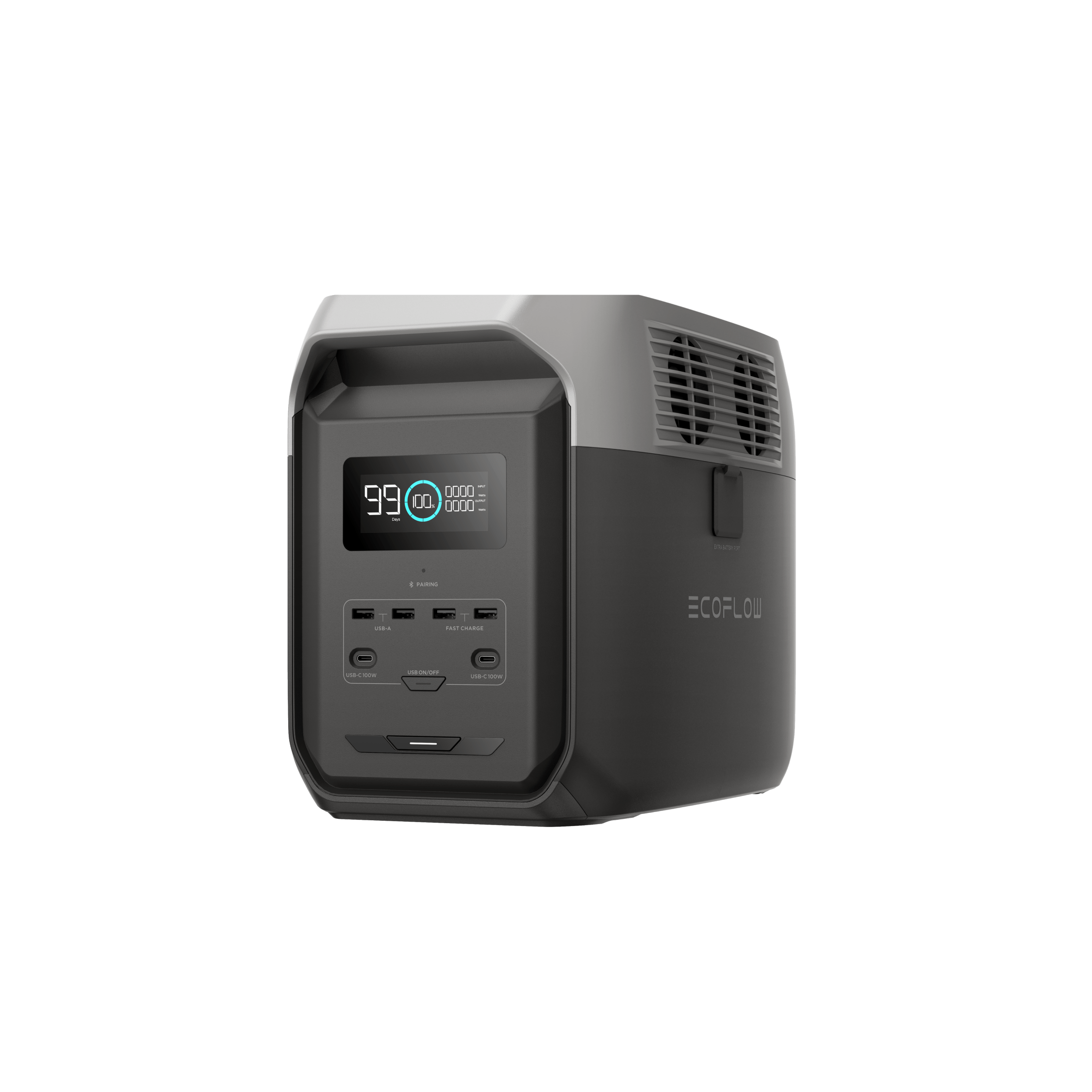 BLUETTI AC448–12,288 Wh
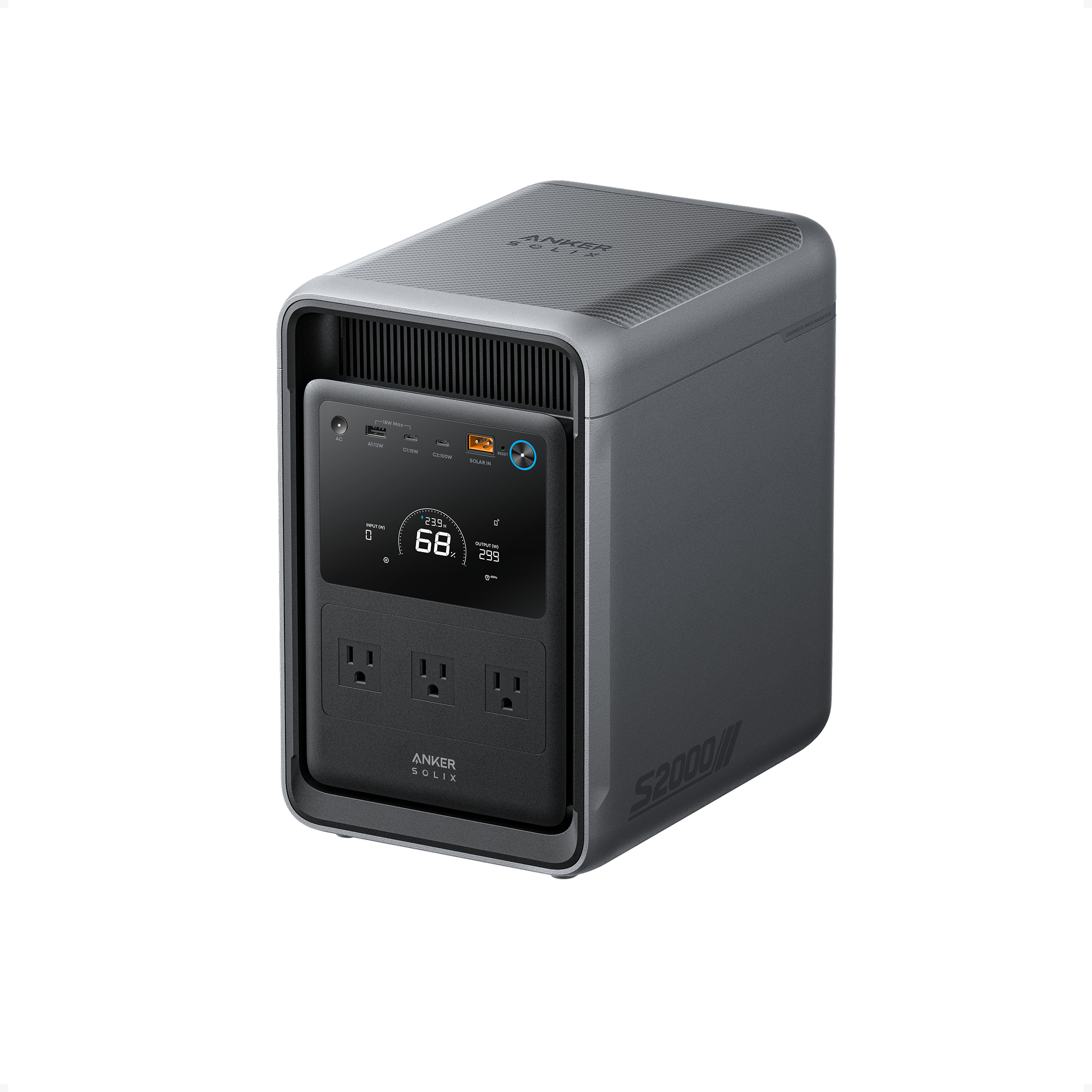
 Anker SOLIX S2,010–2,010 Wh
 BLUETTI Elite128–3,840 Wh
 Jackery HomePower1,024–3,584 Wh
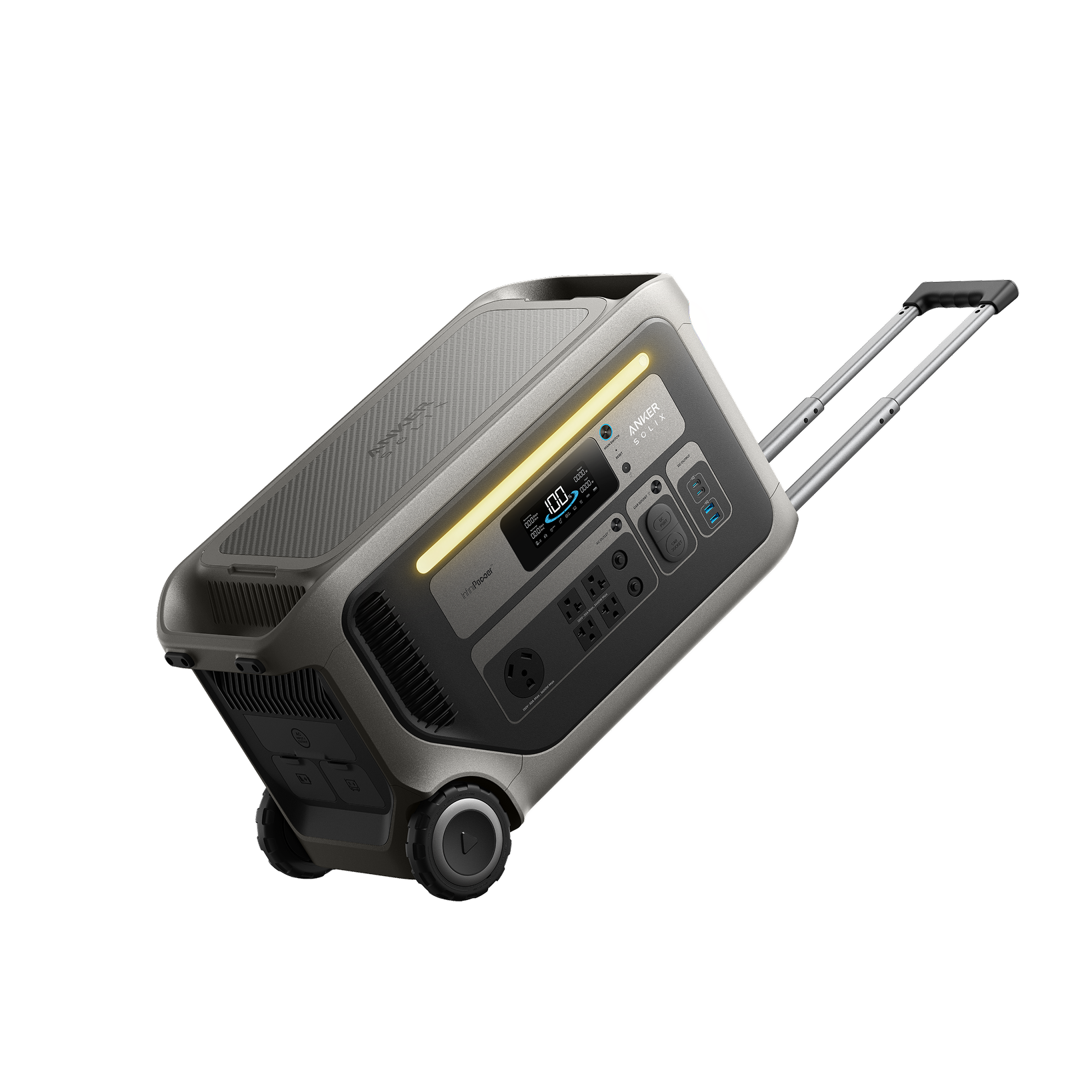
 Anker SOLIX F2,048–3,840 Wh
 BLUETTI Apex2,765–13,005 Wh
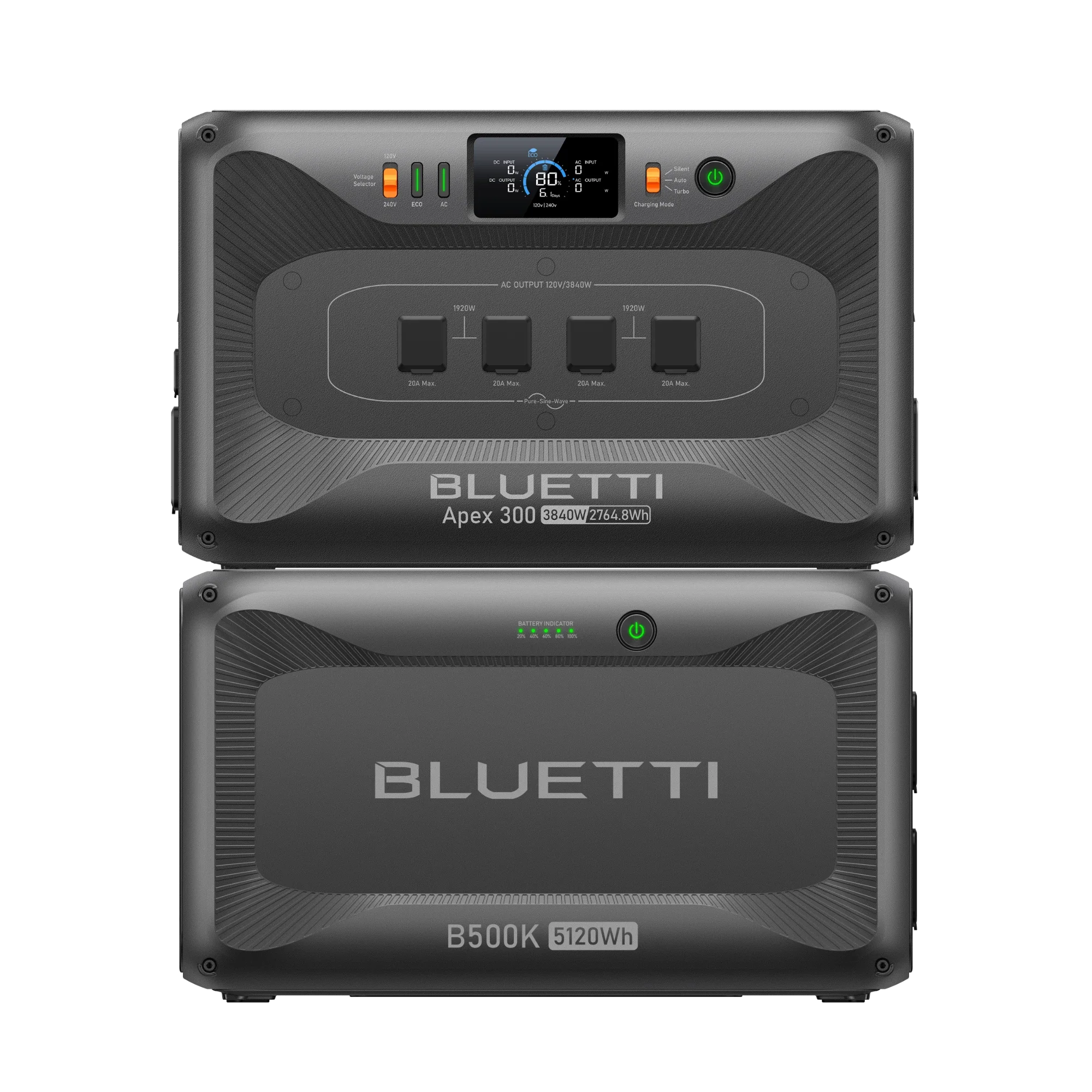 EcoFlow DELTA Pro3,600–18,432 Wh
 BLUETTI EP5,120–39,680 Wh
 Anker SOLIX E106,144–61,440 Wh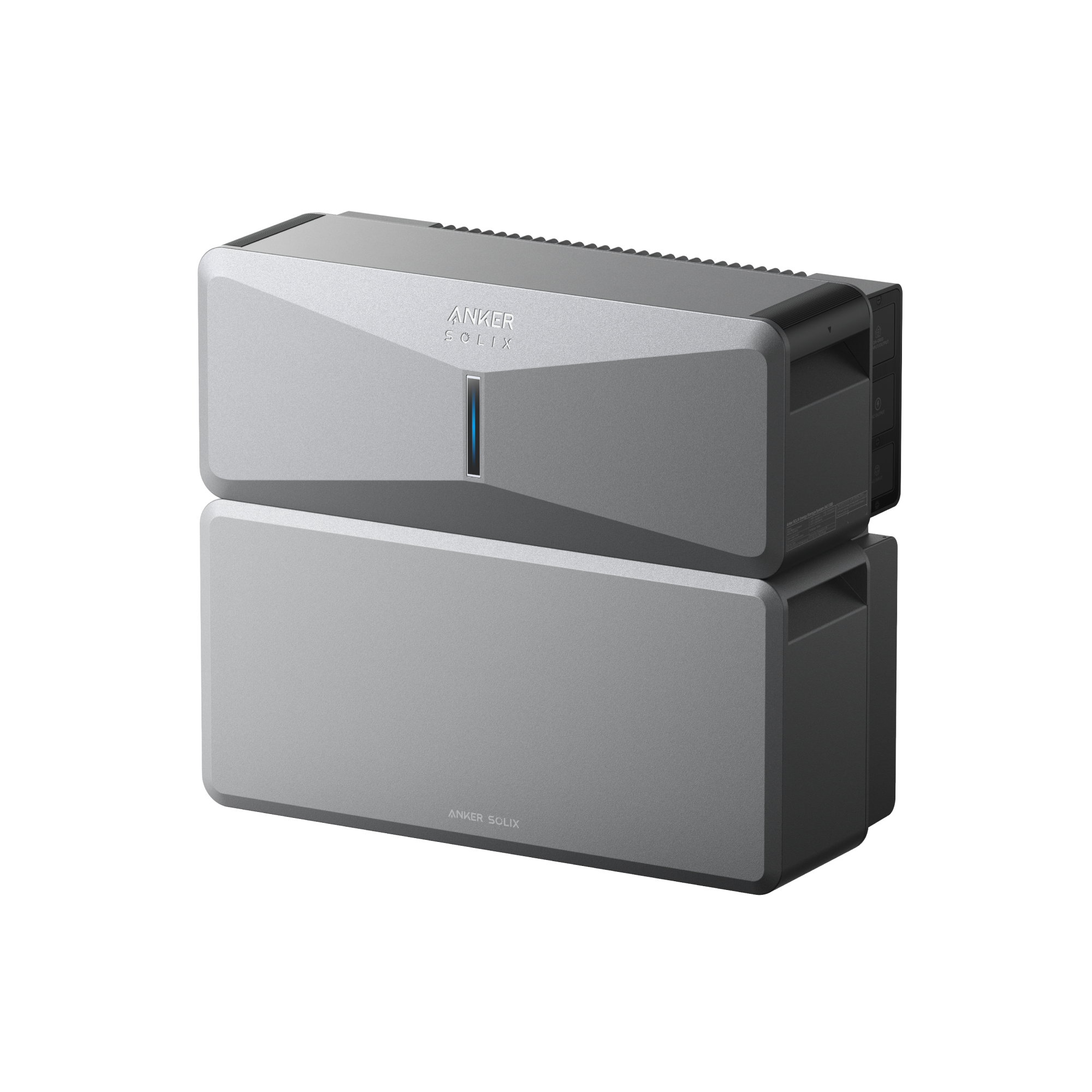
16 product lines, smallest to largest·scroll to see them all
Already know which two units you're choosing between? Compare any models side by side in the comparison tool
What all these names actually cover
16 lines, 6 brands, one scale. It's the picture no manufacturer will draw for you, because it shows how much of what looks like choice is really the same shelf twice over. Where two bars sit close together you have a real decision on your hands. Where they don't, those two names were never alternatives — whatever the marketing implied.
Which line within a brand
You’ve settled on a brand, and then the range forks in two and both halves look plausible. This is usually the bigger decision — bigger than which model you eventually carry home.
ACvsElite


AC is the older line that grows. Elite is the newer line that doesn't.
19 models·47% overlapCompare
ExplorervsHomePower


Explorer is the wide range you choose a size from. HomePower is the newer, longer-lived one built to stay put.
20 models·35% overlapCompare
DELTAvsRIVER


RIVER is a battery you carry. DELTA is the first piece of a system you build.
22 models·8% overlapCompare
ApexvsElite

Elite is a big inverter on a fixed pack. Apex is a modest inverter on a pack that keeps growing.
12 models·7% overlapCompare
SOLIX CvsSOLIX F
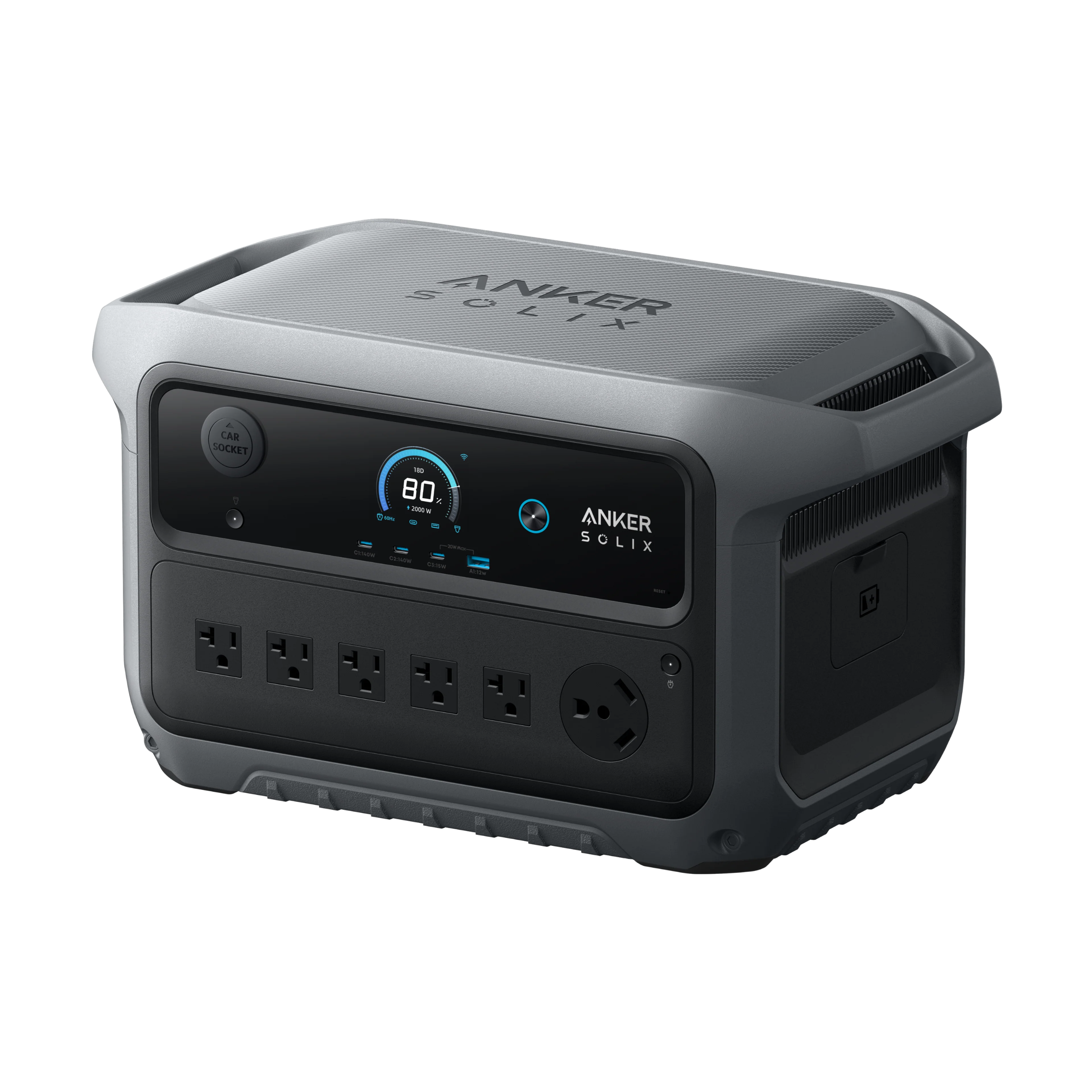
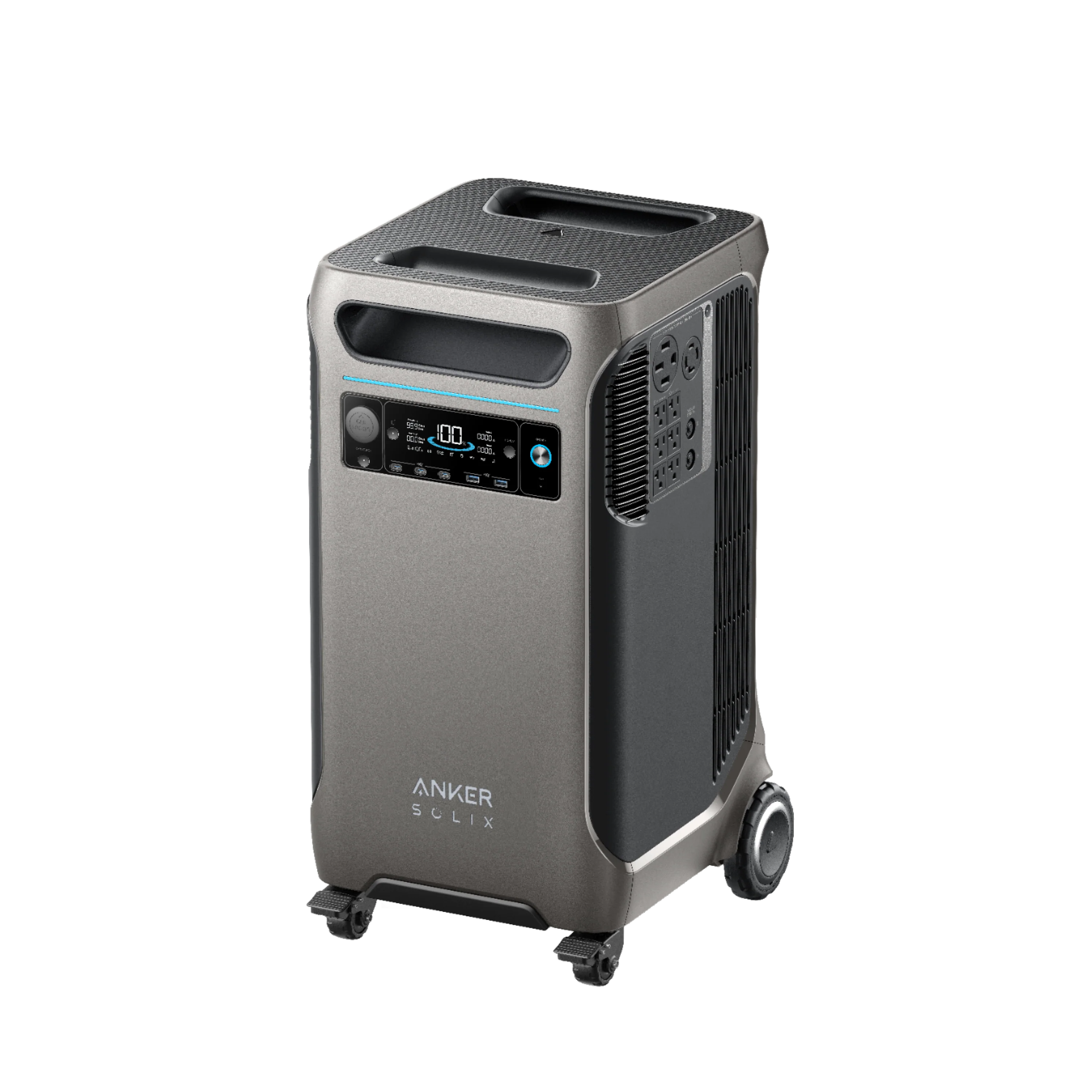
SOLIX C is the line you carry. SOLIX F is the line you install and forget.
15 models·0% overlapCompare
SOLIX CvsSOLIX S
SOLIX C is ten ways to carry power. SOLIX S is one bet on lasting — and it holds the longest-lived cells in our entire catalog.
11 models·0% overlapCompare
Which generation
The same line, one hardware generation apart, and the older one is cheaper right now. Sometimes that’s a genuine bargain. With Goal Zero it’s a different battery chemistry, which isn’t a discount so much as a different lifespan.
RIVER 2vsRIVER 3
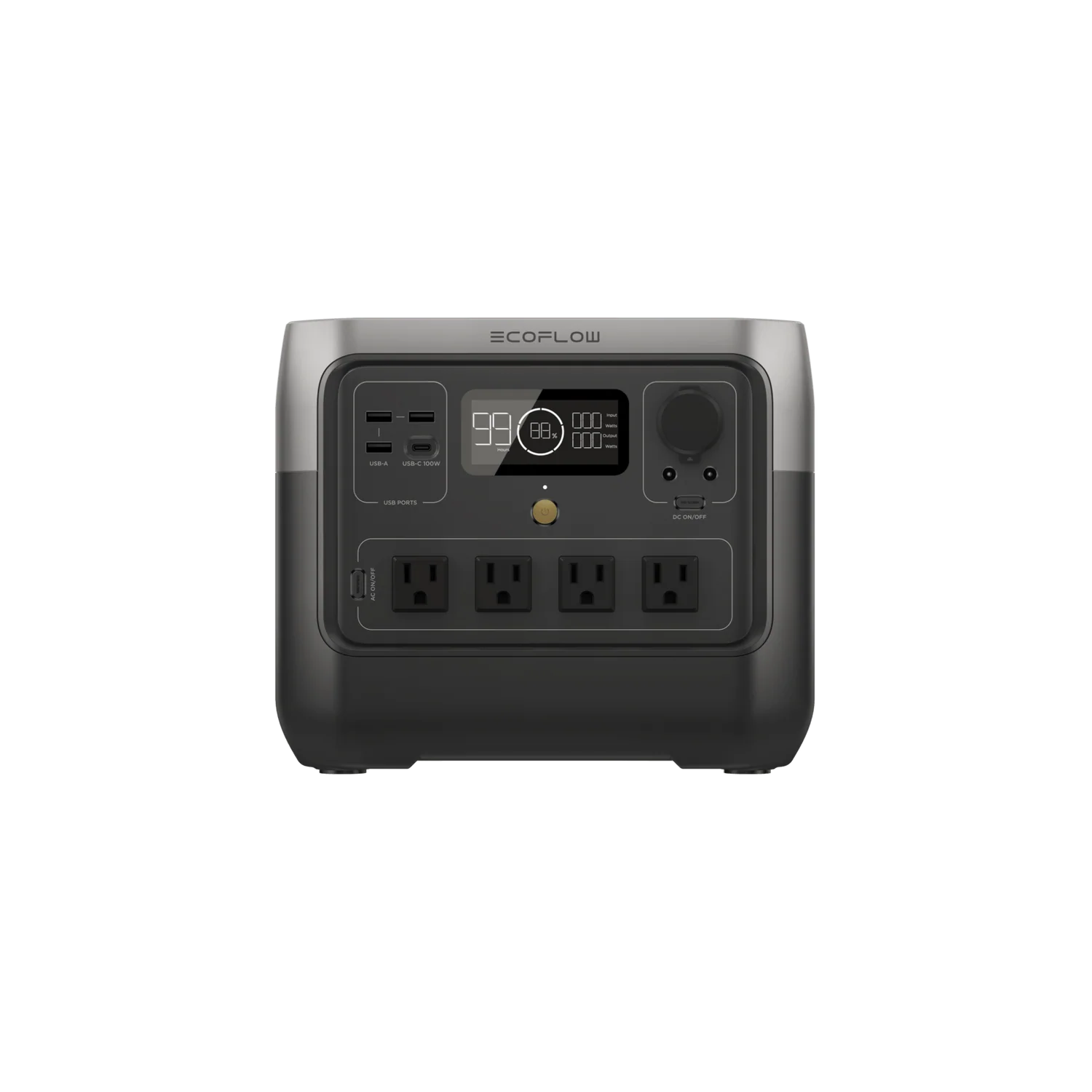
RIVER 3 isn’t just a bigger RIVER 2 — it switches over three times faster and, for the first time in the line, some of it expands.
11 models·70% overlapCompare
DELTA 2vsDELTA 3
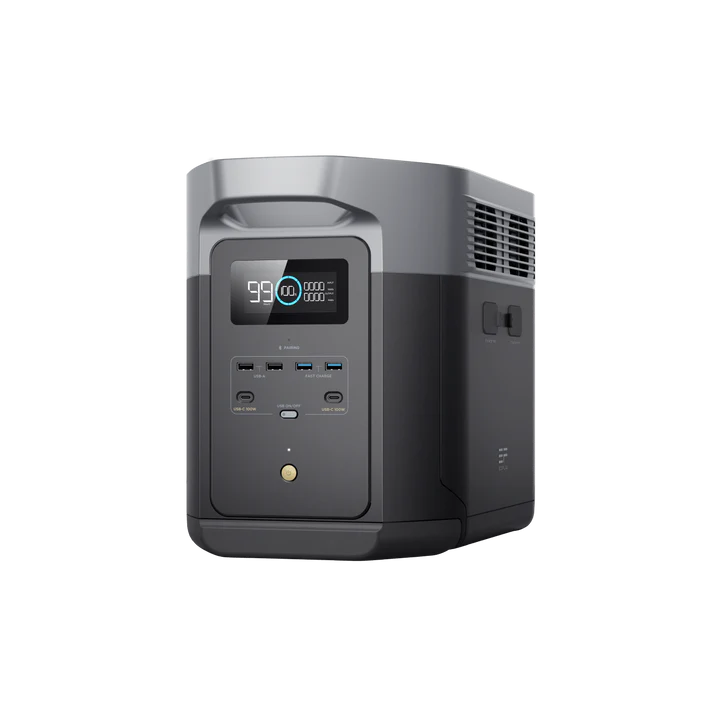
DELTA 3 halves the switchover and adds years of cycle life — but DELTA 2 is the generation where every unit expanded.
11 models·60% overlapCompare
YetivsYeti X
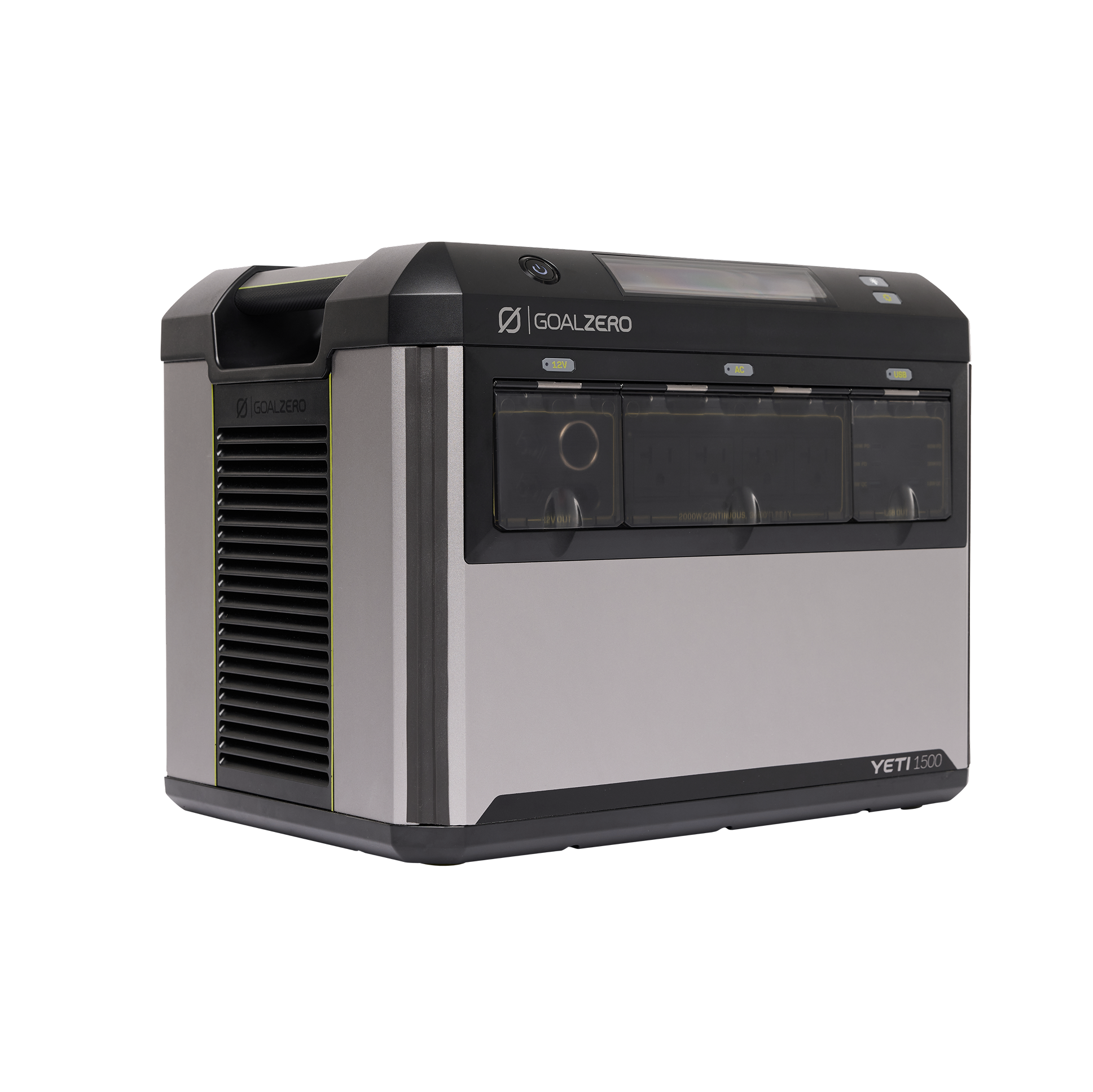
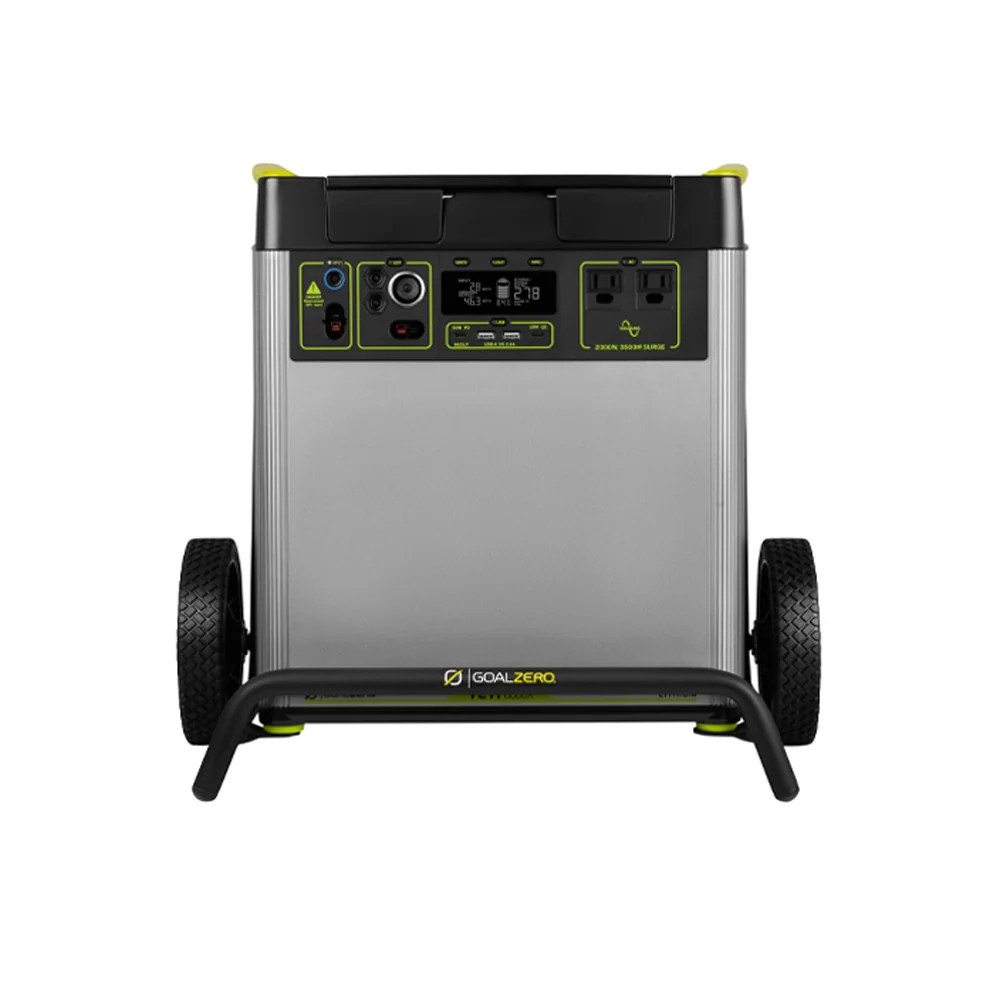
This is a change of battery chemistry, not a model year — the current Yeti is rated for eight times the charge cycles of the outgoing X line.
11 models·47% overlapCompare
Which brand’s equivalent
Two makers, the same capacity band, a real fight. We only pair lines that genuinely overlap — setting a flagship against someone else’s entry model tells you nothing you didn’t already suspect.
EcoFlow DELTAvsJackery HomePower
Two closely matched backup lines that differ on almost nothing except how long they last and how far they grow.
16 models·83% overlapCompare
BLUETTI ACvsJackery Explorer
Two sprawling portable ranges that meet almost everywhere — one built to grow, the other built to be picked up.
27 models·83% overlapCompare
Anker SOLIX E10vsBLUETTI EP

Anker sells one system that scales further and carries its energy lighter. BLUETTI sells two under one name — and the better one really is better, if you know to ask for it.
23 models·75% overlapCompare
Anker SOLIX FvsJackery HomePower
Two home-backup lines aimed at the same job — one built around solar and expansion, the other around lasting.
10 models·42% overlapCompare