
Product line comparison
EcoFlowDELTAvsRIVERSeries
RIVER is a battery you carry. DELTA is the first piece of a system you build.

DELTA Series
The place-it-and-leave-it line.
11 models/960–3,072 Wh/73% expandable

RIVER Series
The carry-it-with-one-hand line.
11 models/230–1,196 Wh/36% expandable
- Models compared
- 2211 + 11
- Capacity spanned
- 230–3,072Wh
- Ranges overlap
- 8%of the band
- Genuine rivals
- 1model pair
 DELTA 31,024 Wh
 DELTA 3 15001,536 Wh
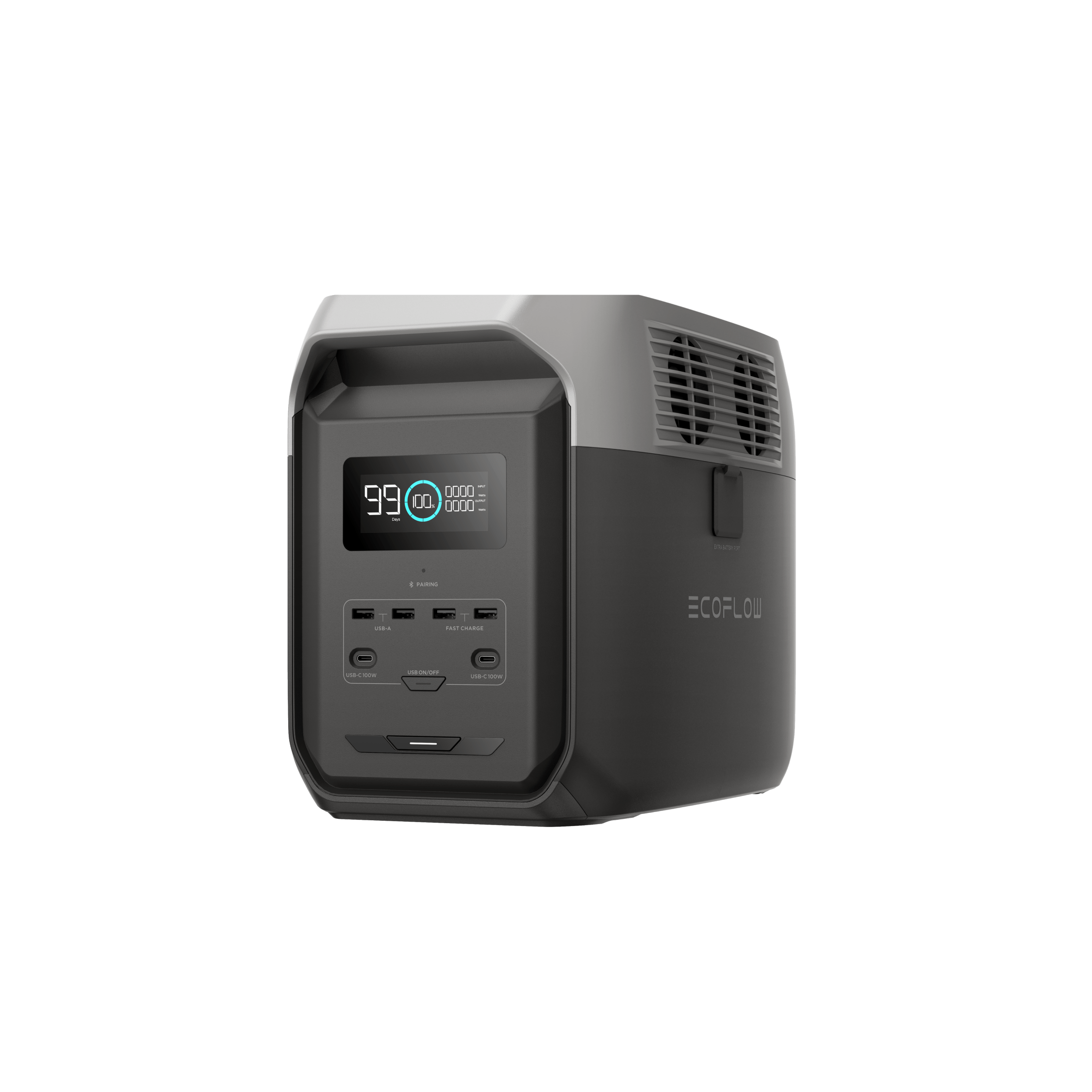 DELTA 3 Max2,048 Wh
 DELTA 3 Ultra Plus3,072 WhRIVER 3 230230 Wh
 RIVER 2 240243 Wh
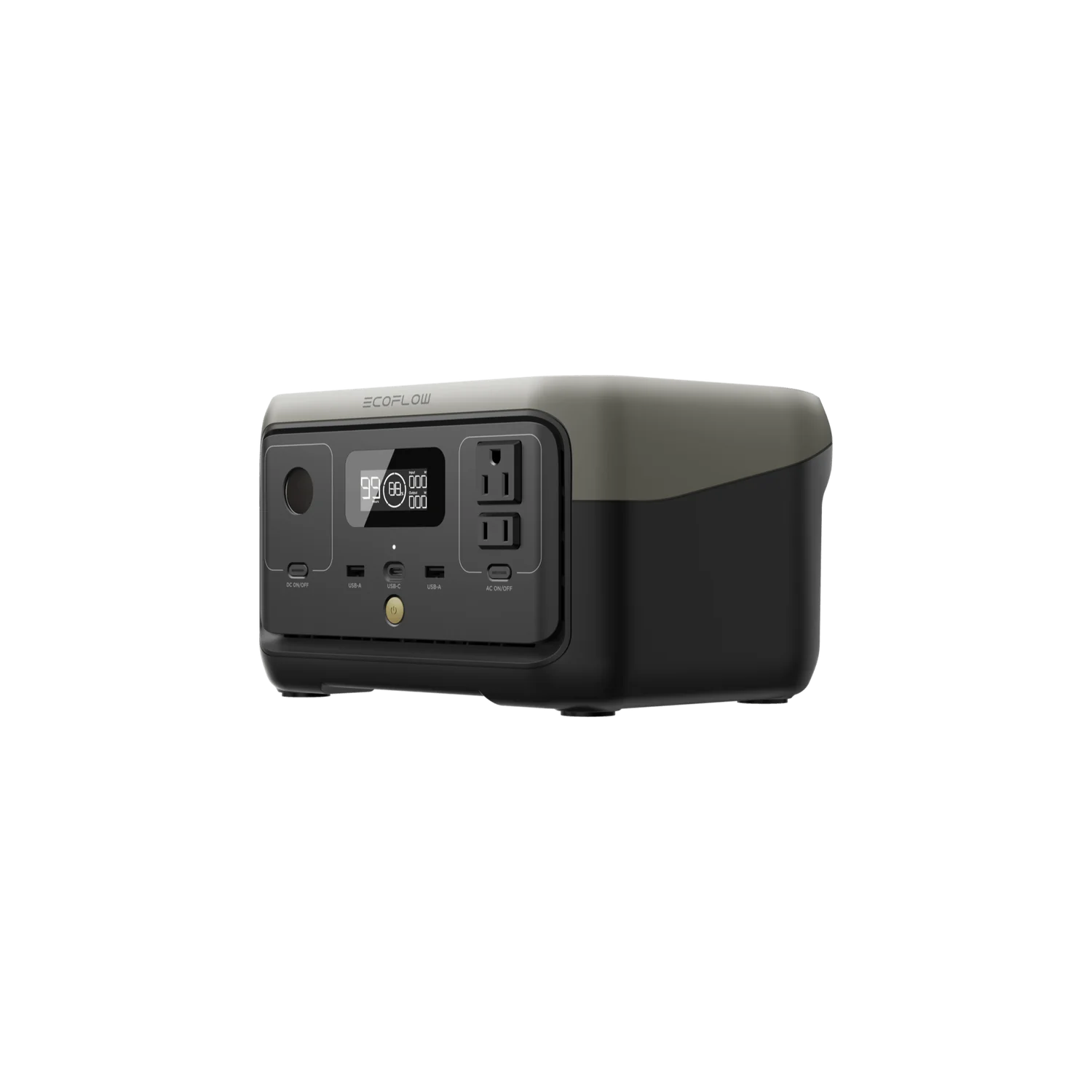 RIVER 3245 Wh
 RIVER 2256 WhRIVER 3 PLUS286 WhRIVER 2 Max 500499 Wh
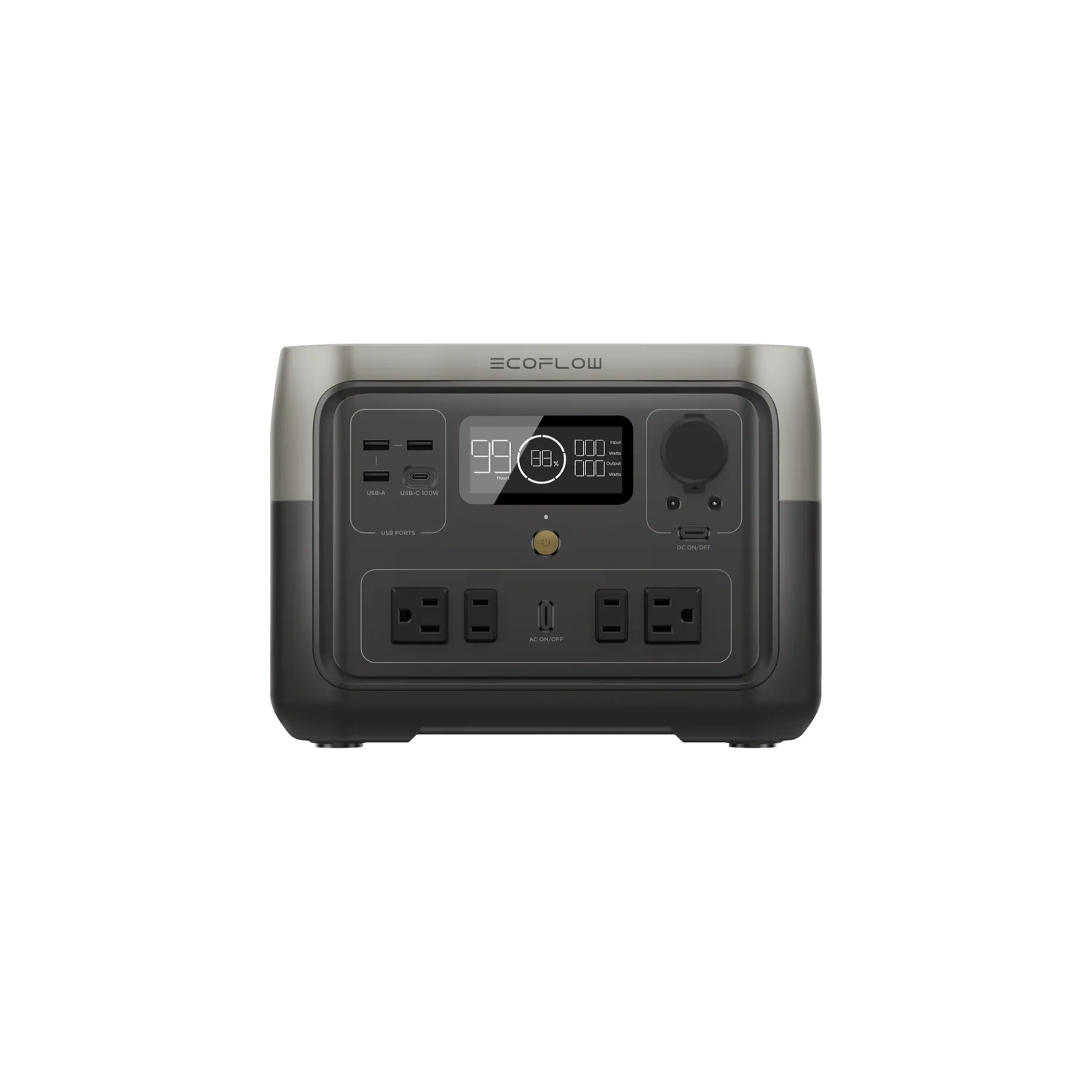 RIVER 2 Max512 WhRIVER 3 MAX572 Wh
.webp) RIVER 2 Pro768 Wh
RIVER 2 Pro768 Wh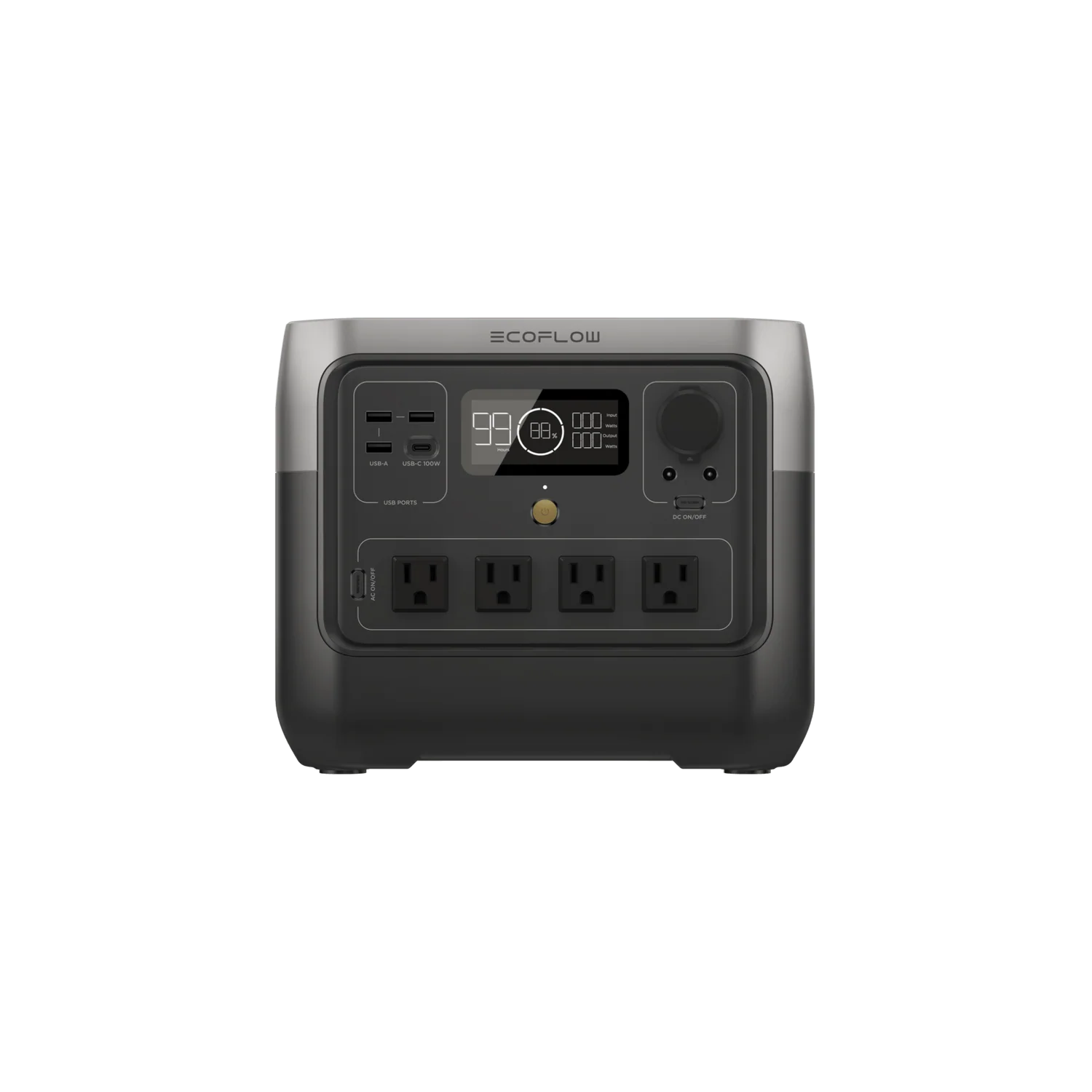 RIVER 3 MAX PLUS858 Wh
 RIVER 3 MAX PLUS WIRELESS1,196 Wh
DELTA960–3,072 Wh
RIVER230–1,196 Wh
This compares two entire product lines, not two units. Get the line right and the model almost picks itself. Get it wrong and no amount of comparing model numbers will rescue the decision. Already know the two units you're torn between? Compare two products head-to-head
Two lines, two different jobs
EcoFlow DELTA
Power-forwardDELTA is EcoFlow's mainstream line, and it’s designed around being set down. A DELTA lives on the floor of a van, in a garage next to the chest freezer, or beside a desk as a backstop for a workstation. It expects a real load — several things drawing at once — and it expects to still be there next season, wired to a panel or a second battery.
EcoFlow RIVER
Runtime-forwardRIVER is the line you pick up with one hand. It’s sized for the things you carry to a place and carry home again: a tent, a photo shoot, a fishing boat, a hotel room with two outlets. A RIVER runs a laptop, a CPAP, camera batteries and a string of lights very well, and it doesn’t ask you to think about installation.
Are these two lines even competing?
Before asking which is better, it's worth asking whether they overlap at all.
Most of the time these two lines aren’t competing at all — they barely occupy the same shelf. The overlap is a narrow band at the top of RIVER and the bottom of DELTA, and it’s the only place the choice is genuinely close. Below that band, a DELTA is more machine than the job needs. Above it, a RIVER simply runs out.
The useful question isn’t which line is better but whether your load is one you carry or one you place. If the unit will move between locations every few days, weight decides it and RIVER wins by default. If it will sit somewhere and be plugged into more than one thing, everything DELTA adds starts to matter and RIVER's ceiling starts to bite.
The short version
These two barely occupy the same shelf — 8% of their capacity ranges overlap, and only 1 pair out of 22 models genuinely competes. For almost the whole range this isn't a close call at all. Pick the wrong one and you won't have bought a slightly worse unit; you'll have bought the wrong kind of thing.
What actually separates them
Five specifications that decide which line fits — and one that doesn't.
Room to grow
Expandability is whether a unit accepts a second battery later. It’s the difference between buying a finished appliance and buying the first component of something larger — and it’s the axis most people discover they cared about a year after purchasing.
DELTA
73%
RIVER
36%
This is the real split between the lines, and it’s much sharper than the capacity difference everyone notices first. Nearly every DELTA takes an expansion battery. Fewer than half of RIVERs do, so a RIVER is usually the whole of what you’ll ever have.
Switchover speed
When utility power drops, a unit with UPS passthrough takes over — but not instantly. Under about 10ms almost nothing notices. Around 20ms, most equipment rides through but sensitive gear can blink: a desktop may reboot, some CPAP units will alarm.
DELTA
10ms
RIVER
20ms
DELTA halves the switchover time. If the reason you’re buying is to protect a desktop, a router or a medical device, that’s the specification to buy on, and it points at DELTA as a class rather than at any single model.
Carry weight
Watt-hours per pound is how much energy you get for what you have to lift. It says nothing about total capacity — a dense unit can still be too heavy to move if it’s simply large.
DELTA
40.4 Wh/lb
RIVER
37.8 Wh/lb
The two lines are close on density, which surprises people. DELTA isn’t less efficient per pound; it’s just bigger. What separates them in practice is absolute weight, not how well each pound is used.
Power character
Output divided by capacity describes what kind of tool a unit is. A high ratio means a large inverter on a modest pack — it starts demanding appliances but doesn’t run them long. A low ratio is the opposite: modest draw, sustained for hours.
DELTA
1.17 W/Wh
RIVER
1.05 W/Wh
DELTA carries a meaningfully bigger inverter relative to its pack, which is what lets it start compressors and heating elements that a RIVER will refuse outright. RIVER is tuned for smaller, steadier draws over a long evening.
Lifespan
A cycle is one full discharge and recharge. The rating is roughly how many you get before capacity drops to about 80% of new. At daily use, 3,000 cycles is on the order of eight years.
DELTA
4,000
RIVER
3,000
Identical across both lines — same chemistry, same rating. Longevity isn’t a reason to choose one over the other, and any comparison that implies otherwise is inventing a difference. Worth saying plainly, because it removes a variable most shoppers assume is in play.
What each line is good at, and what it isn't
EcoFlow DELTA
Strengths
- Nearly the whole line accepts an expansion battery, so capacity is a decision you can defer
- Switchover is fast enough for a desktop or a CPAP as a class, not case-by-case
- Roughly double the AC outlets, which matters more than capacity when several things run at once
- Inverter headroom to start compressors and heating elements outright
Limits
- The smallest DELTA is still a unit you place rather than carry
- More capability than a single-appliance job needs, and you carry that in bulk
- Expansion batteries are a further purchase, not included capability
- Solar connector choices vary across the line — check the model, not the line
EcoFlow RIVER
Strengths
- Genuinely one-hand portable — the line is defined by what you can carry
- More surge headroom relative to its rated output than the DELTA line
- Simplest way into the EcoFlow ecosystem and its solar connectors
- Same cells and same cycle rating as DELTA, so nothing is given up on longevity
Limits
- Over half the line accepts no expansion battery, so its capacity is its ceiling
- Switchover is roughly twice DELTA's, which is fine for most gear but not all
- Fewer AC outlets — enough for a couple of devices, not a working circuit
- Tops out well below where DELTA starts to get interesting
How to read this
A limit isn't a fault — it's a constraint on what a line is built to do. Every line here has them, including whichever one suits you. The useful question is which set of limits you'll never notice.
Where the lines actually collide
Models within 15% of each other on capacity — and whether they're truly interchangeable.
So which one should you buy?
Nobody actually buys a spec sheet. Find the row that sounds most like your life — that's the line we'd point you at, and why.
Tent camping, photography, a weekend away
You’ll carry it more than you use it. Weight is the whole decision.
CPAP through a power cut
Switchover speed is the specification that matters, and DELTA is reliably fast enough across the line.
Keeping a fridge or freezer alive
Compressor startup needs inverter headroom a RIVER won’t provide.
Van or overland build you’ll grow
Expandability is the axis you’ll care about in a year, and it’s where the lines diverge most.
Laptop, phones, lights for an evening
A steady low draw is exactly what RIVER is tuned for. A DELTA is bulk you’d carry for nothing.
Or start from the job instead
If you already know what you need it to do, these rank models for that job across every brand we track — not just these two lines.
Every model, if you want to see the whole range
DELTA · 11 models
| Model | Wh | W | lb | Exp. |
|---|---|---|---|---|
| DELTA 3 1000 Air | 960 | 500 | 22.0 | — |
| DELTA 3 | 1,024 | 1,800 | 27.0 | Yes |
| DELTA 2 | 1,024 | 1,800 | 27.0 | Yes |
| DELTA 3 Classic | 1,024 | 1,800 | 26.7 | — |
| DELTA 3 Plus | 1,024 | 1,800 | 27.0 | Yes |
| DELTA 3 1500 | 1,536 | 1,800 | 36.0 | Yes |
| DELTA 3 Max | 2,048 | 2,400 | 50.7 | Yes |
| DELTA 3 Max Plus | 2,048 | 3,000 | 50.7 | Yes |
| DELTA 2 Max | 2,048 | 2,400 | 50.7 | Yes |
| DELTA 3 Ultra Plus | 3,072 | 3,600 | 74.3 | Yes |
| DELTA 3 Ultra | 3,072 | 3,600 | 72.1 | — |
RIVER · 11 models
| Model | Wh | W | lb | Exp. |
|---|---|---|---|---|
| RIVER 3 230 | 230 | 300 | 7.8 | — |
| RIVER 2 240 | 243 | 300 | 7.7 | — |
| RIVER 3 | 245 | 300 | 7.8 | — |
| RIVER 2 | 256 | 300 | 7.8 | — |
| RIVER 3 PLUS | 286 | 600 | 10.4 | Yes |
| RIVER 2 Max 500 | 499 | 500 | 13.2 | — |
| RIVER 2 Max | 512 | 500 | 13.4 | — |
| RIVER 3 MAX | 572 | 600 | 10.4 | Yes |
| RIVER 2 Pro | 768 | 800 | 17.2 | — |
| RIVER 3 MAX PLUS | 858 | 600 | 20.8 | Yes |
| RIVER 3 MAX PLUS WIRELESS | 1,196 | 600 | 20.8 | Yes |
EcoFlow DELTA vs RIVER series FAQs
What is the difference between the EcoFlow RIVER and DELTA series?
RIVER is the portable line, built to be carried with one hand and to run smaller, steadier loads. DELTA is the line you place and leave: a larger inverter for demanding appliances, roughly double the AC outlets, faster UPS switchover, and expansion batteries across nearly the whole range. Both use the same battery chemistry with the same cycle rating, so the choice is about the job, not about longevity.
Is a DELTA just a bigger RIVER?
No — and capacity is the least interesting difference between them. The bigger changes are structural: nearly every DELTA accepts an expansion battery where most RIVERs don’t, DELTA switches over to battery roughly twice as fast during an outage, and it carries about double the AC outlets. A DELTA is designed to become part of a larger setup; a RIVER is designed to be complete on its own.
Can a RIVER run a refrigerator?
Usually not well. A fridge draws a brief surge several times its running wattage when the compressor starts, and the RIVER line carries a smaller inverter relative to its pack. Some larger RIVER models will start an efficient compact fridge, but this is the load that most clearly points at DELTA instead.
Which line is better for a CPAP?
Either can run a CPAP, but if you want it to carry through a power cut without the machine noticing, switchover speed decides it. DELTA switches over roughly twice as fast as RIVER and is safe for that use across the line, where RIVER is model-by-model. For travel where you unplug and run from the battery deliberately, a RIVER is the lighter choice.
Do RIVER and DELTA use the same battery?
They use the same chemistry with the same cycle rating, so expected lifespan is effectively identical between the lines. What differs is what surrounds the cells — inverter size, outlet count, switchover speed and whether the unit accepts an expansion battery.
Related line comparisons
Figures are generated from our catalog of 146 power stations and refresh with it — line-level values are medians across every model in the line. See how we test and score.