
Product line comparison
AnkerSOLIX CvsSOLIX SSeries
SOLIX C is ten ways to carry power. SOLIX S is one bet on lasting — and it holds the longest-lived cells in our entire catalog.
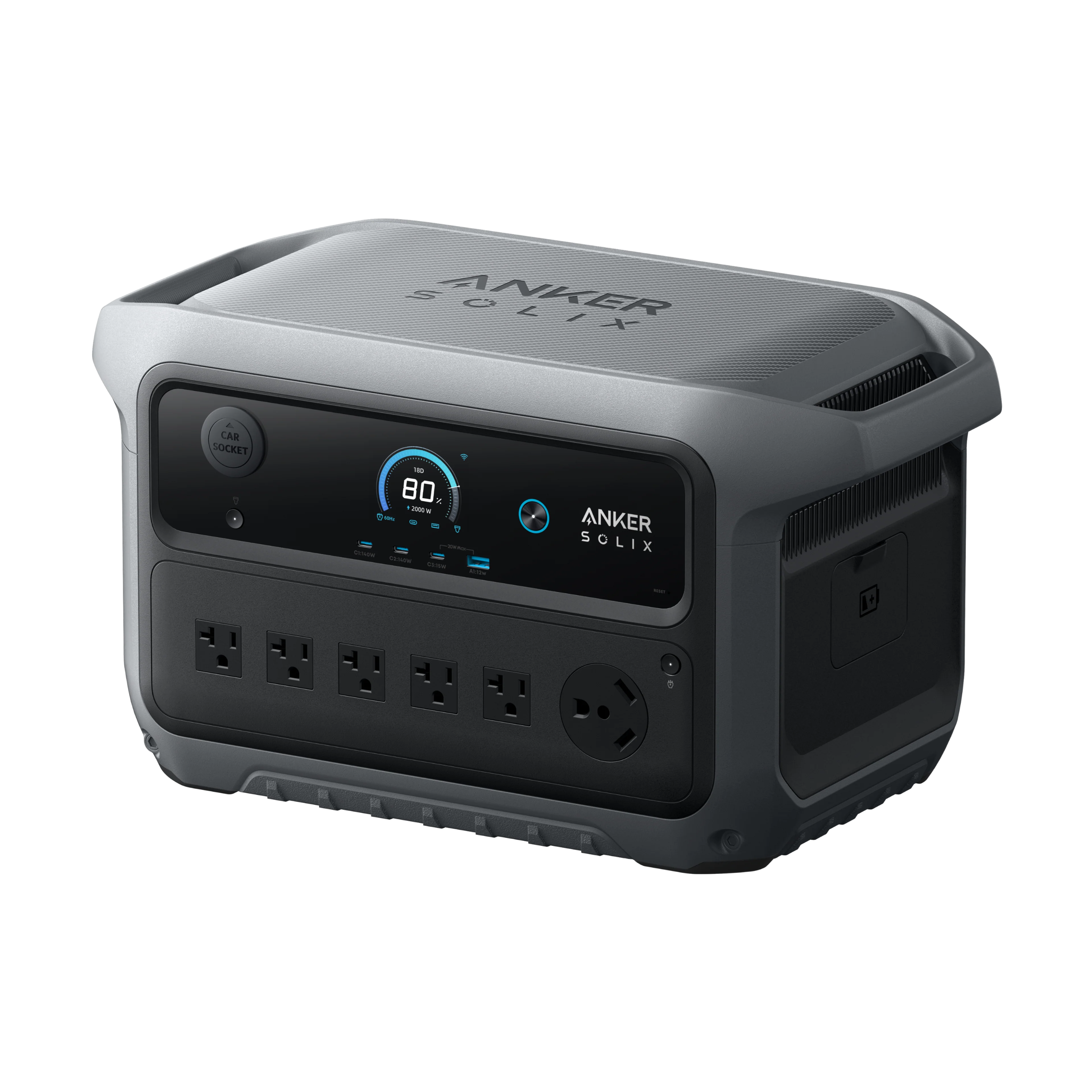
SOLIX C Series
Portables that punch above their capacity.
10 models/192–2,048 Wh/30% expandable
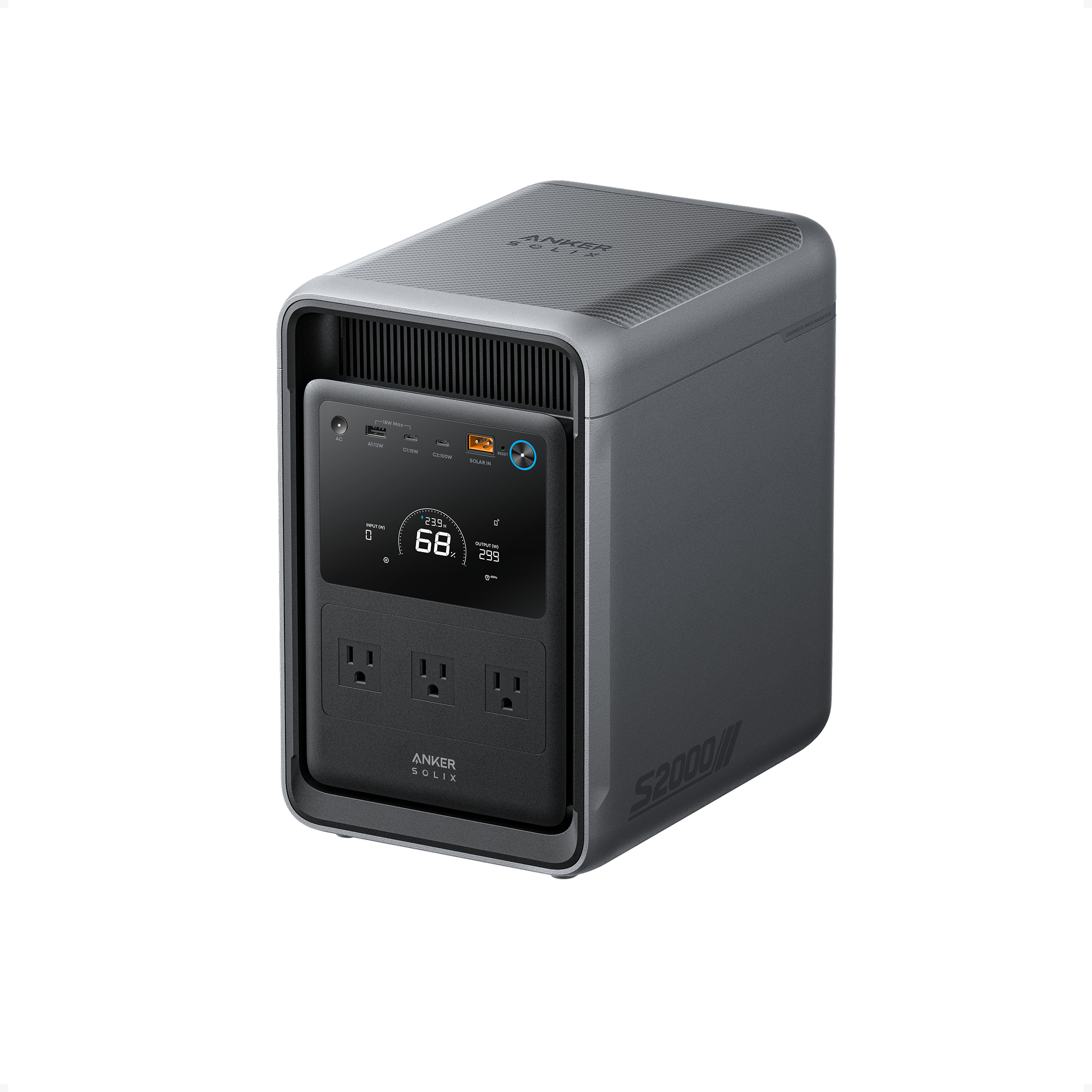
SOLIX S Series
One model so far — and the longest-lived cells in the catalog.
1 models/2,010 Wh/0% expandable
- Models compared
- 1110 + 1
- Capacity spanned
- 192–2,048Wh
- Ranges overlap
- 0%of the band
- Genuine rivals
- 0model pairs
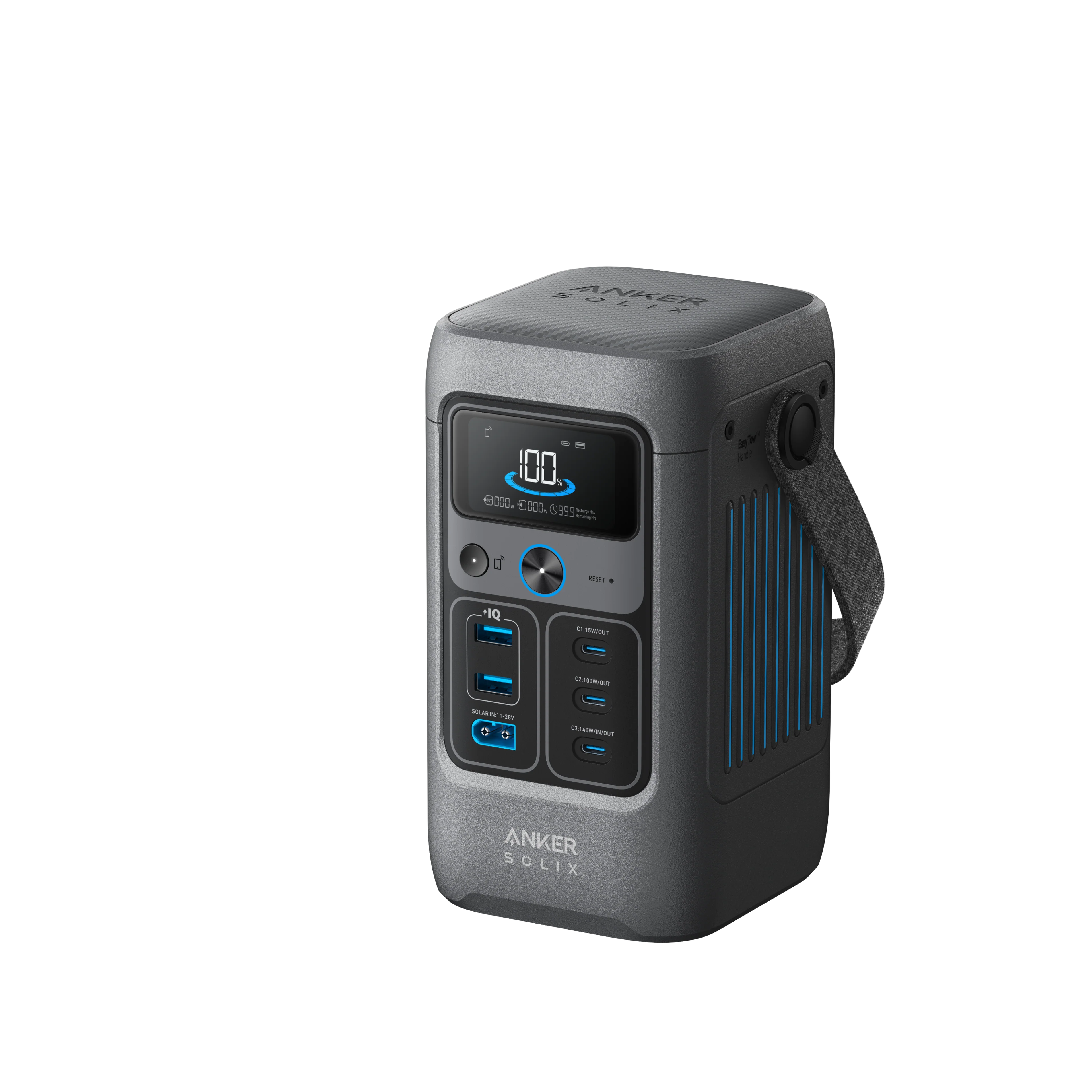 SOLIX C300288 Wh
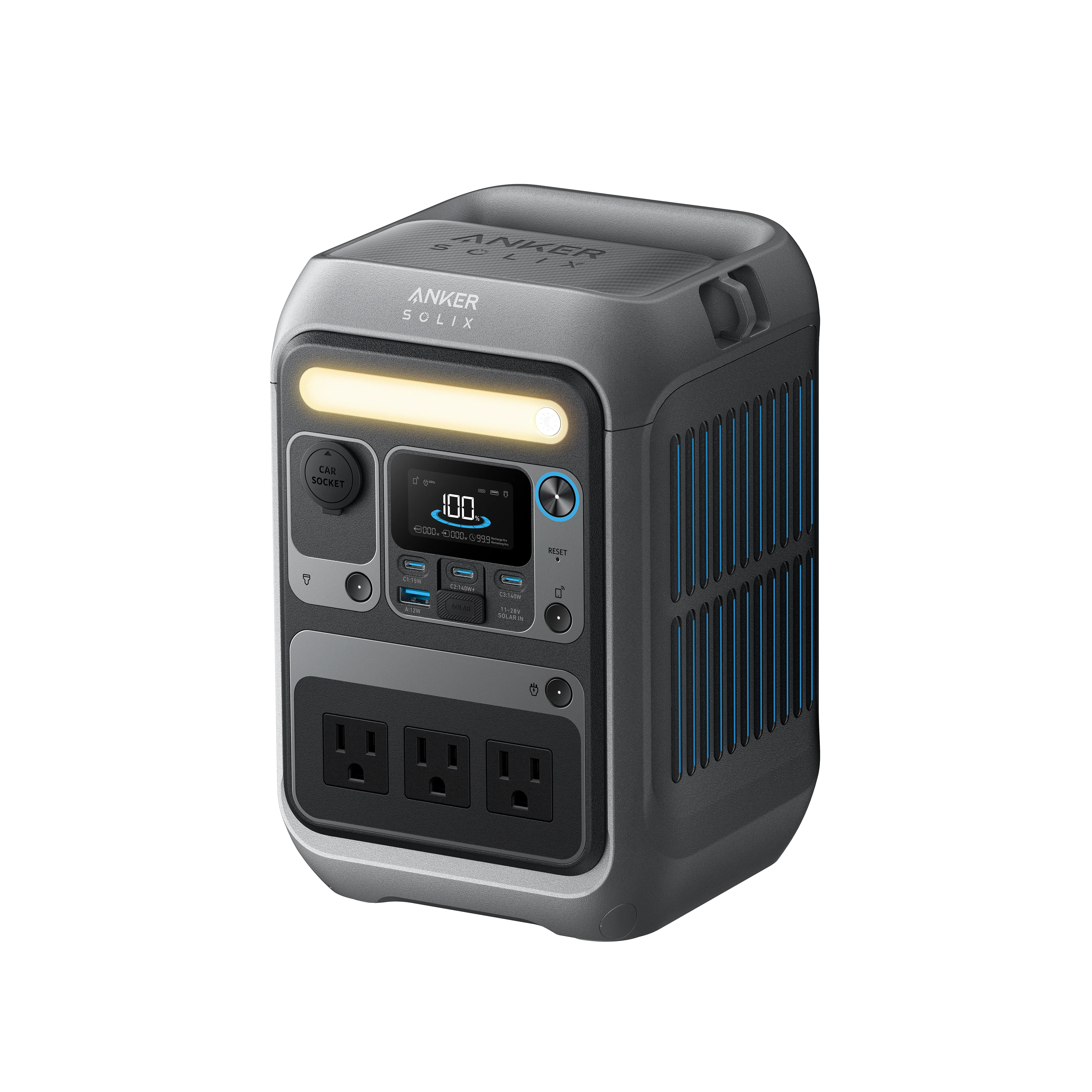 SOLIX C800768 Wh
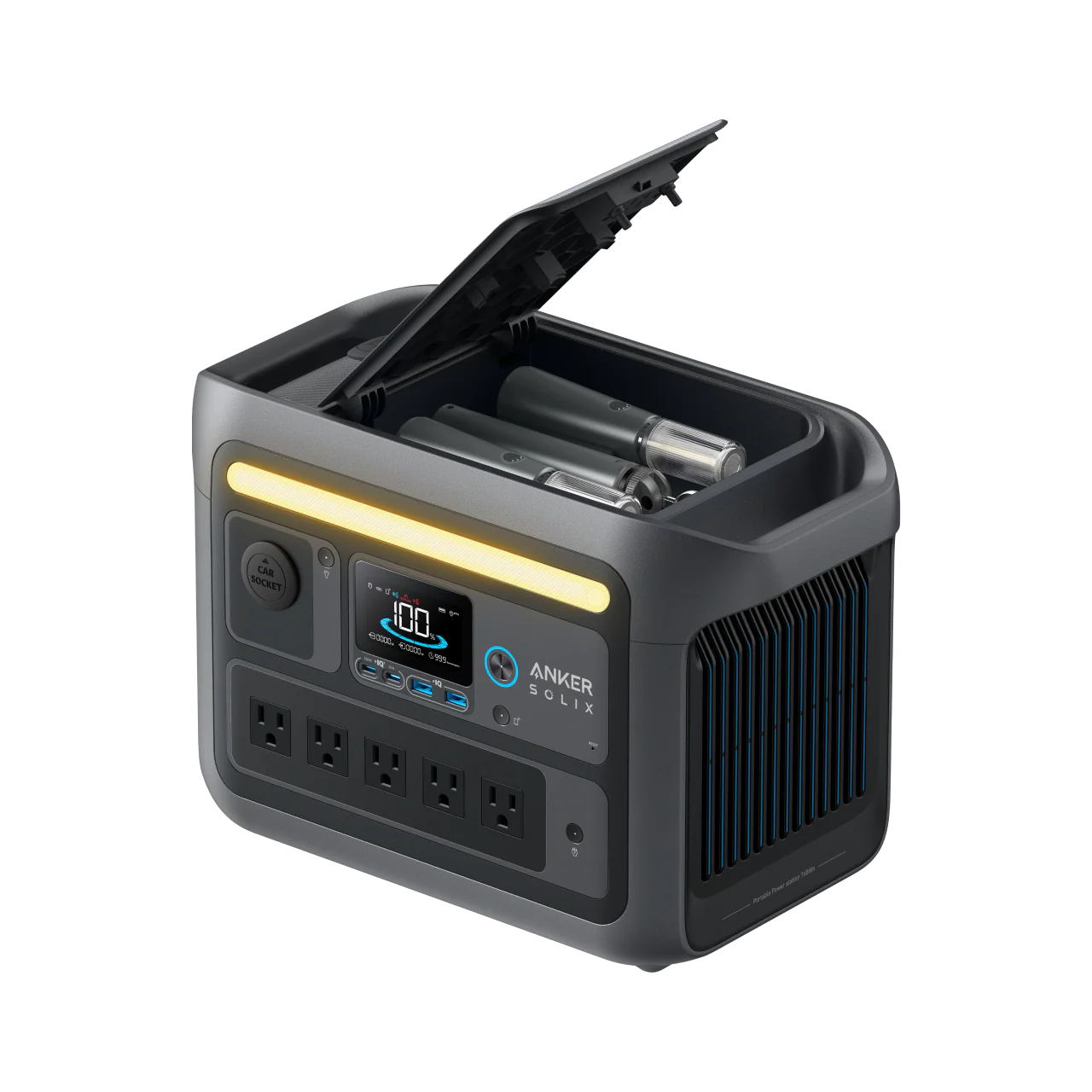 SOLIX C1000X Gen 21,024 Wh
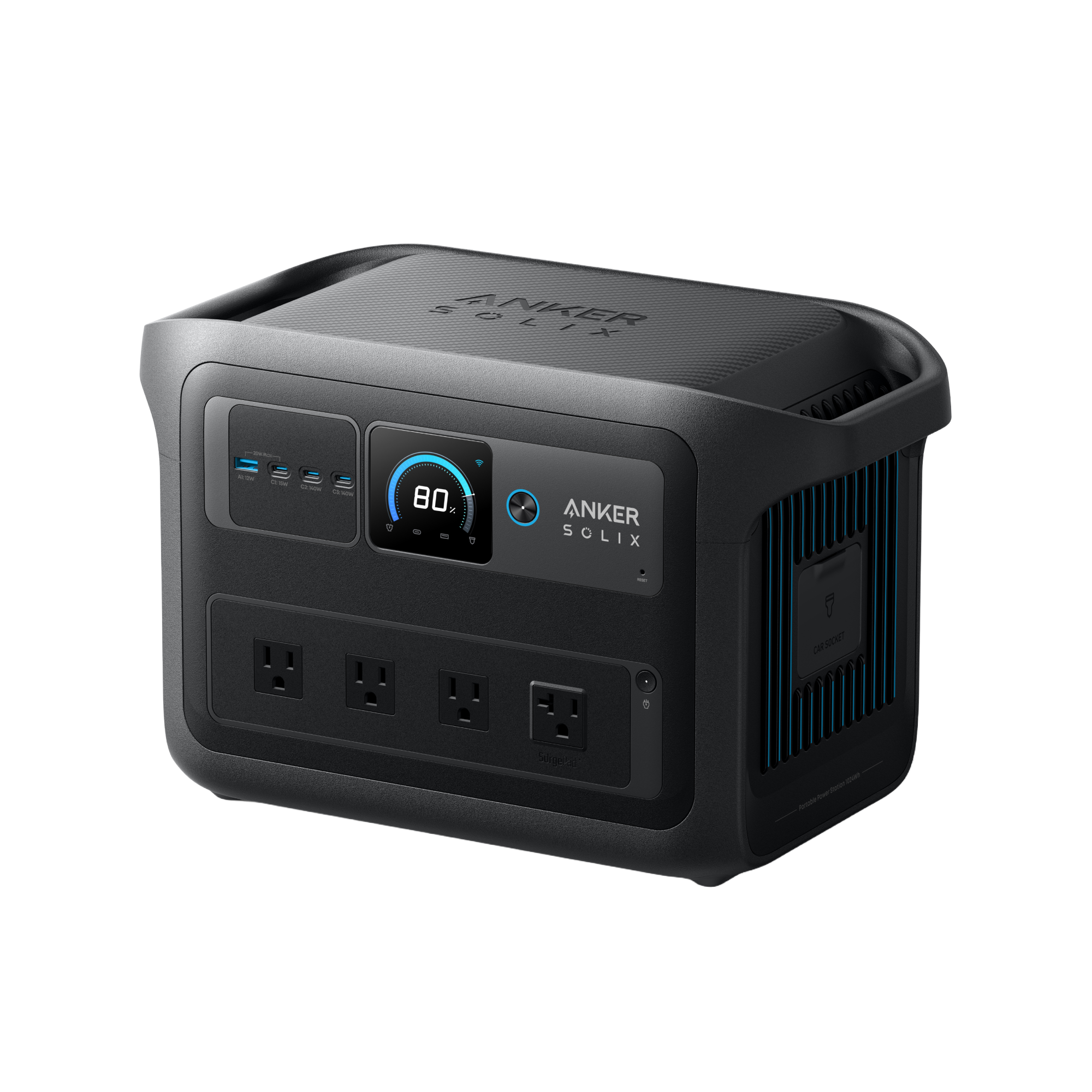 SOLIX C10001,056 Wh
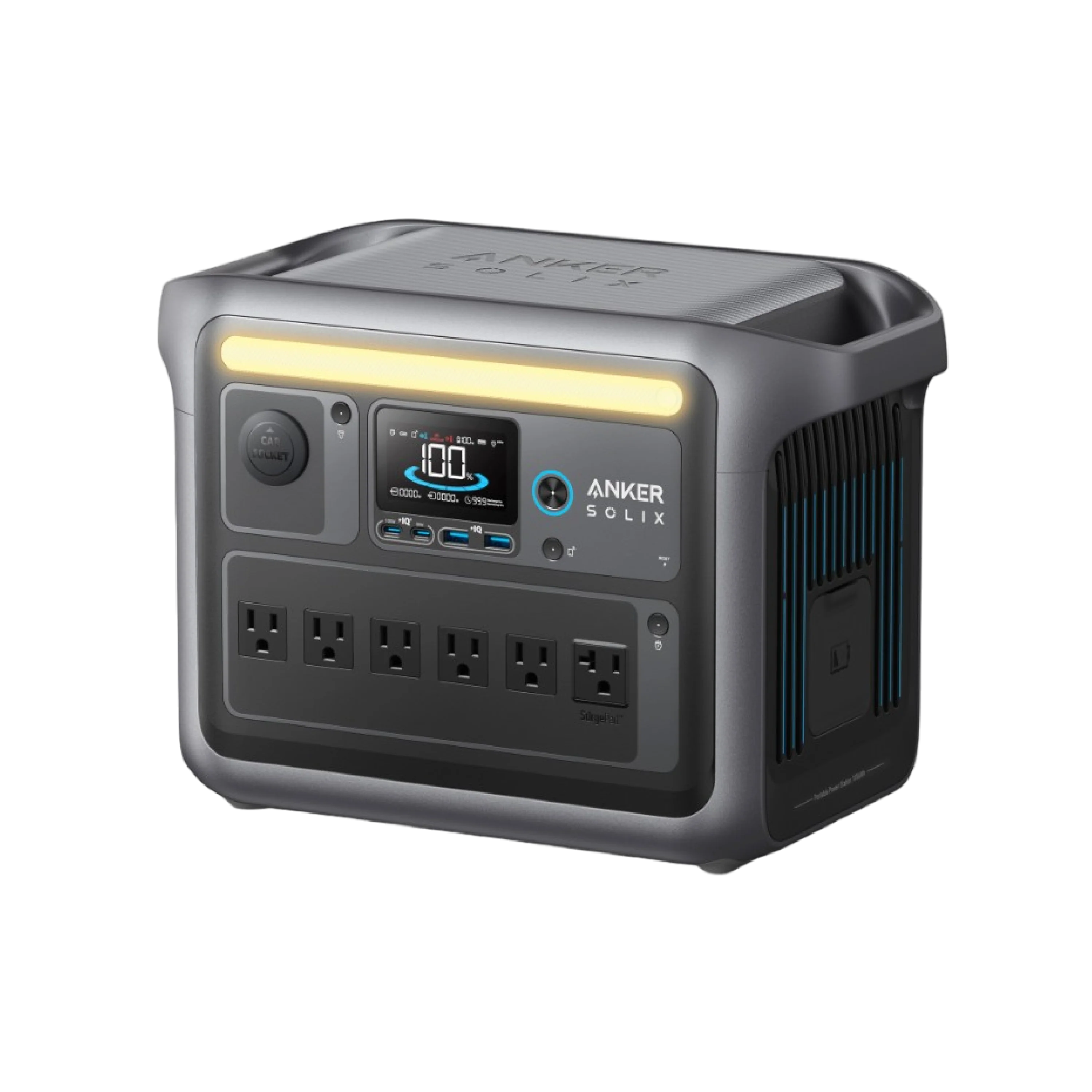 SOLIX C2000 Gen 22,048 WhSOLIX S20002,010 Wh
SOLIX C192–2,048 Wh
SOLIX S2,010 Wh
This compares two entire product lines, not two units. Get the line right and the model almost picks itself. Get it wrong and no amount of comparing model numbers will rescue the decision. Already know the two units you're torn between? Compare two products head-to-head
Two lines, two different jobs
Anker SOLIX C
Power-forwardSOLIX C is Anker's portable range and its broadest: ten models from pocket-sized up to a substantial unit, each fitted with an inverter larger than its pack would suggest. A C-series is bought to be picked up and to start things — a kettle on a job site, a fridge during a cut, tools in a van.
Anker SOLIX S
Runtime-forwardSOLIX S is a new home-backup line, and today it consists of exactly one model, the S2000. It reads as a deliberate counter-argument to the rest of the portable market: an unusually dense pack, a modest inverter, and cells rated far beyond anything else we track. The whole design is pointed at running a fridge for a very long time, many thousands of times over.
Are these two lines even competing?
Before asking which is better, it's worth asking whether they overlap at all.
Worth saying plainly before anything else: SOLIX S has one model in it. Every "line" figure on this page is that single unit, and the comparison is really the S2000 against a whole portable range. We’ve published it anyway because the question is real — the S2000 lands directly against the top of SOLIX C on capacity — and because a second S model would make it a proper line comparison overnight.
On capacity the S2000 and the C2000 Gen 2 look interchangeable. They aren’t. The C carries roughly twice the inverter for the energy it holds, so it starts far more; the S holds the same energy behind a smaller inverter and is built to deliver it slowly, for years. This is the clearest same-capacity, different-tool pairing in the catalog.
The short version
These two barely occupy the same shelf — 0% of their capacity ranges overlap. For almost the whole range this isn't a close call at all. Pick the wrong one and you won't have bought a slightly worse unit; you'll have bought the wrong kind of thing.
What actually separates them
Five specifications that decide which line fits — and one that doesn't.
Lifespan
A cycle is one full discharge and recharge, and the rating is roughly how many you get before capacity settles to about 80% of new. At daily cycling, 3,000 cycles is on the order of eight years.
SOLIX C
3,000
SOLIX S
10,000
The S2000 is rated for more than three times the C line, and it’s the longest-lived unit in our entire catalog — two thirds clear of the next best. Cycled daily that’s a working life measured in decades rather than years. Cycled occasionally it’s a number you’ll never approach, and should not pay for.
Carry weight
Watt-hours per pound is how much energy you get for what you have to lift. It says nothing about total capacity — a dense unit can still be too heavy to move if it’s simply large.
SOLIX C
41.1 Wh/lb
SOLIX S
56.3 Wh/lb
The other headline. The S2000 is the densest unit we measure, comfortably ahead of the C line and of every other line on the site. It’s a home-backup unit that happens to be easier to shift than portables a third its size — an unusual combination, and the reason it’s not simply a heavier alternative.
Power character
Output divided by capacity describes what kind of tool a unit is. A high ratio means a large inverter on a modest pack — it starts demanding appliances but doesn’t run them long. A low ratio is the opposite: modest draw, sustained for hours.
SOLIX C
1.56 W/Wh
SOLIX S
0.75 W/Wh
Roughly a twofold gap, and it’s the whole difference between these two. SOLIX C is a burst tool that starts kettles and power tools. The S2000 is an endurance tool: it won’t start everything a C2000 will, and it will still be going long after one has emptied.
Solar recharge rate
Solar input divided by capacity tells you roughly how many hours of good sun it takes to refill a unit. A higher number means it refills faster relative to its size.
SOLIX C
0.39 W per Wh
SOLIX S
0.20 W per Wh
SOLIX C accepts about twice as much solar for the energy it stores. For a unit intended to sit on backup duty that’s a real shortfall in the S2000 — it’s built to be charged from the wall and to hold that charge, not to live off an array. If solar is your main input, this axis argues against it.
Switchover speedNo difference
When utility power drops, a unit with UPS passthrough takes over — but not instantly. Under about 10ms almost nothing notices; slower handovers can make a desktop reboot or a CPAP alarm.
SOLIX C
10ms
SOLIX S
10ms
Identical, and both sit in the safe band. Whatever you’re protecting, switchover isn’t a reason to choose between them — which matters here, because backup duty is exactly what the S2000 is sold for and it gives up nothing to the portable line on it.
What each line is good at, and what it isn't
Anker SOLIX C
Strengths
- Ten models spanning pocket-sized up to 2,048 Wh — a size for nearly any job
- Roughly twice the inverter per watt-hour, so it starts far more demanding appliances
- About twice the solar intake relative to capacity
- Higher USB-C delivery, enough to run a laptop at full speed
Limits
- Rated for under a third of the S2000's cycles, which compounds under daily use
- Less energy-dense than the S2000 despite being the portable line
- Under a third of the line accepts a second battery
- A big inverter on a small pack drains quickly under heavy load
Anker SOLIX S
Strengths
- More than three times the cycle rating of the C line — the longest-lived unit in our catalog
- The densest unit we measure, ahead of every line on the site
- Same fast switchover as SOLIX C, so nothing is given up on backup duty
- Purpose-built for long, steady loads like a fridge rather than short bursts
Limits
- One model — this isn’t yet a range, and there’s no smaller or larger option
- Around half the inverter per watt-hour, so it starts less than a C2000 will
- Roughly half the solar intake relative to capacity — built for mains charging
- No expansion battery, so its capacity is fixed at purchase
How to read this
A limit isn't a fault — it's a constraint on what a line is built to do. Every line here has them, including whichever one suits you. The useful question is which set of limits you'll never notice.
Where the lines actually collide
Models within 15% of each other on capacity — and whether they're truly interchangeable.
SOLIX CSOLIX C2000 Gen 2SOLIX SSOLIX S2000So which one should you buy?
Nobody actually buys a spec sheet. Find the row that sounds most like your life — that's the line we'd point you at, and why.
Backing up a fridge for as many years as possible
More than three times the cycle rating, and the design is pointed squarely at exactly this.
A power station you carry between jobs
Ten sizes to choose from, and the S line has no small option at all.
Starting a kettle, microwave or power tools
SOLIX C carries roughly twice the inverter per watt-hour.
Solar as your main charging input
C accepts about twice as much solar relative to capacity. This is the S2000's clearest weakness.
One unit that will still be healthy in a decade
Nothing else we track is rated for as many cycles, and it’s the densest unit in the catalog besides.
Or start from the job instead
If you already know what you need it to do, these rank models for that job across every brand we track — not just these two lines.
Every model, if you want to see the whole range
SOLIX C · 10 models
| Model | Wh | W | lb | Exp. |
|---|---|---|---|---|
| SOLIX C200 DCout of stock | 192 | 200 | 4.2 | — |
| SOLIX C300 | 288 | 300 | 9.1 | — |
| SOLIX C300Xout of stock | 288 | 300 | 9.0 | — |
| SOLIX C300 DCout of stock | 288 | 300 | 6.2 | — |
| SOLIX C800 | 768 | 1,200 | 23.8 | — |
| SOLIX C800 Plus | 768 | 1,200 | 24.0 | — |
| SOLIX C1000X Gen 2 | 1,024 | 2,000 | 24.9 | — |
| SOLIX C1000 Gen 2 | 1,024 | 2,000 | 24.9 | Yes |
| SOLIX C1000out of stock | 1,056 | 1,800 | 28.4 | Yes |
| SOLIX C2000 Gen 2 | 2,048 | 2,400 | 41.7 | Yes |
SOLIX S · 1 models
| Model | Wh | W | lb | Exp. |
|---|---|---|---|---|
| SOLIX S2000 | 2,010 | 1,500 | 35.7 | — |
Anker SOLIX C vs SOLIX S series FAQs
What is the difference between Anker SOLIX C and S series?
SOLIX C is the portable range — ten models, a large inverter relative to pack size, and roughly twice the solar intake. SOLIX S is a new home-backup line that currently has one model, the S2000, built around endurance: more than three times the cycle rating of the C line, the highest energy density we measure, and a smaller inverter tuned for long steady loads rather than bursts. Both switch over to battery equally fast.
How many models are in the Anker SOLIX S series?
One, at the time of writing — the S2000. It’s a new line, so the comparison on this page is really that single unit against the whole SOLIX C range. If Anker extends the line, this becomes a straightforward line-vs-line comparison.
Is the SOLIX S2000 better than the C2000?
They hold near-identical capacity and are built for opposite jobs, so neither is a better version of the other. The S2000 is rated for more than three times the cycles, is denser per pound, and runs long steady loads. The C2000 Gen 2 carries roughly twice the inverter for the same energy, so it starts far more, and it takes about twice the solar. Pick on what you’ll actually run.
Why does the SOLIX S2000 last so long?
Its cells are rated for 10,000 charge cycles — more than three times the SOLIX C line and roughly two thirds clear of the next longest-lived unit in our catalog. Paired with a modest inverter, the whole design is aimed at delivering moderate loads repeatedly over many years rather than at peak output.
Can the SOLIX S2000 run on solar?
It can, but it’s the weakest part of the design. The S2000 accepts roughly half the solar input relative to its capacity that the C line does, so it refills slowly from an array. It’s built to be charged from the wall and hold that charge for backup duty. If solar is your main input, SOLIX C is the better fit.
Related line comparisons
Figures are generated from our catalog of 146 power stations and refresh with it — line-level values are medians across every model in the line. See how we test and score.