
Product line comparison
BLUETTIApexvsEliteSeries
Elite is a big inverter on a fixed pack. Apex is a modest inverter on a pack that keeps growing.

Apex Series
Modular — a modest inverter on a pack that keeps growing.
5 models/2,765–13,005 Wh/100% expandable

Elite Series
The current sealed portable line — light, fast-switching, fixed.
7 models/128–3,840 Wh/0% expandable
- Models compared
- 125 + 7
- Capacity spanned
- 128–13,005Wh
- Ranges overlap
- 7%of the band
- Genuine rivals
- 0model pairs
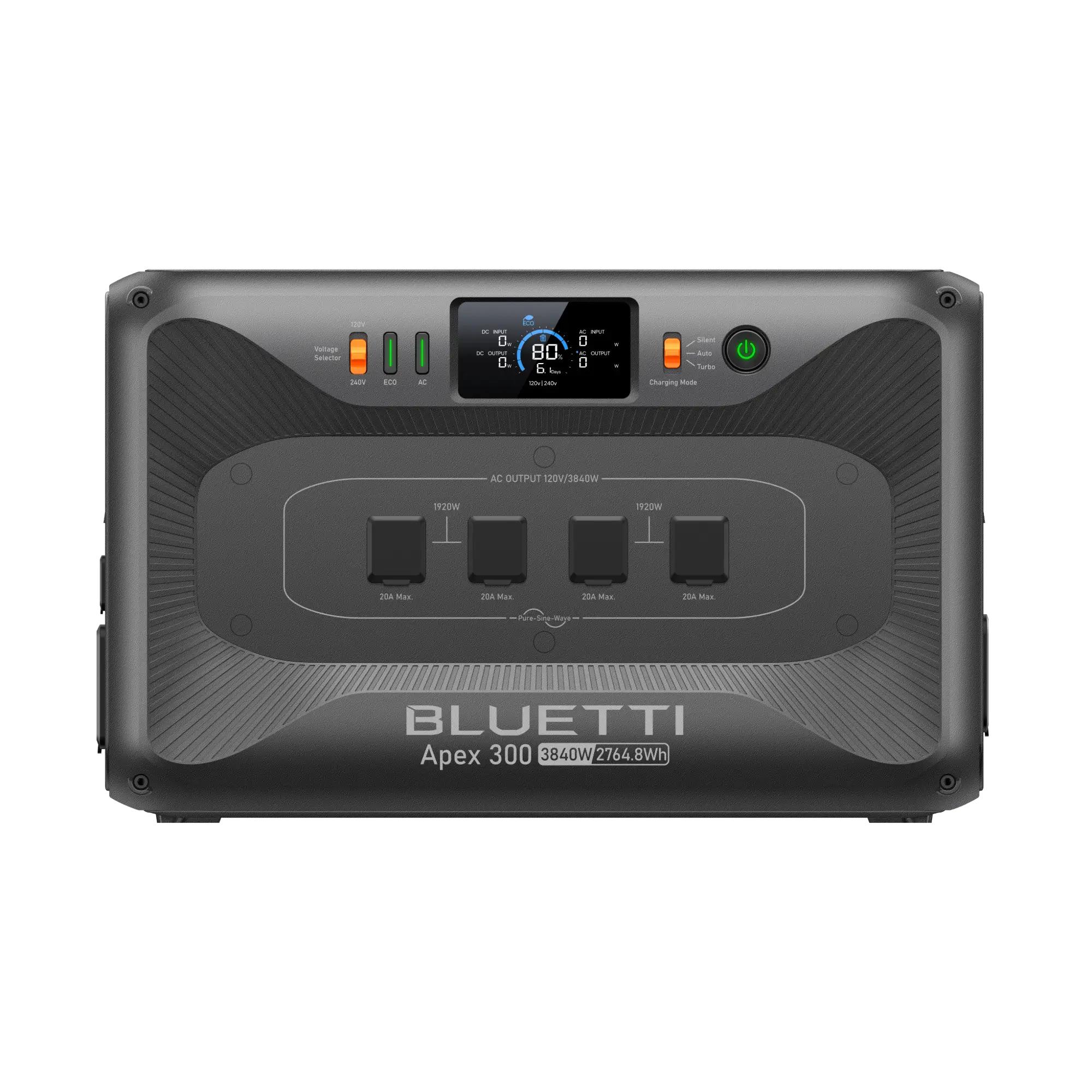 Apex 300 + B300K5,530 Wh
 Apex 300 + B500K7,885 Wh
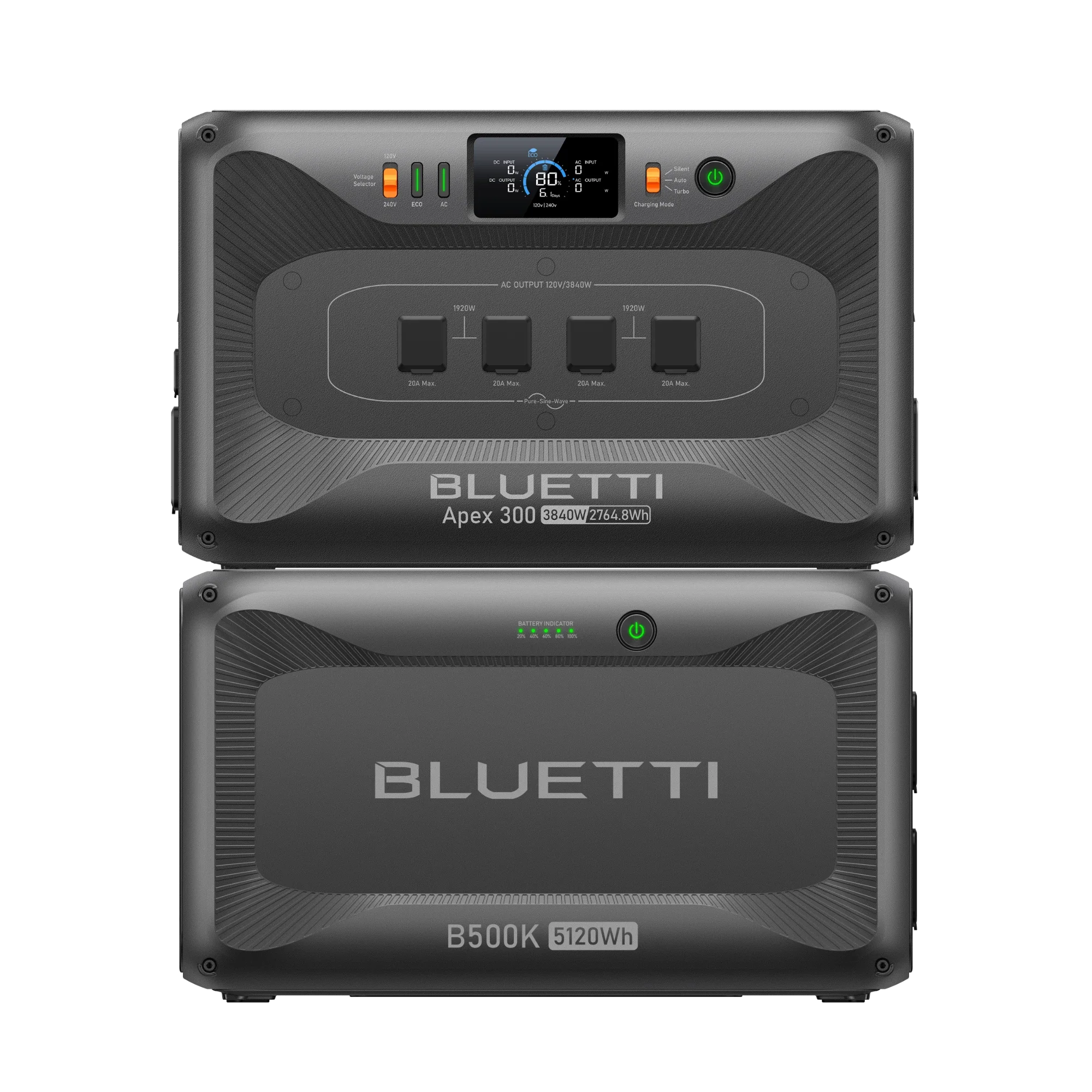 Apex 300 + 2*B300K8,294 Wh
 Apex 300 + 2*B500K13,005 WhElite 10 Mini128 Wh
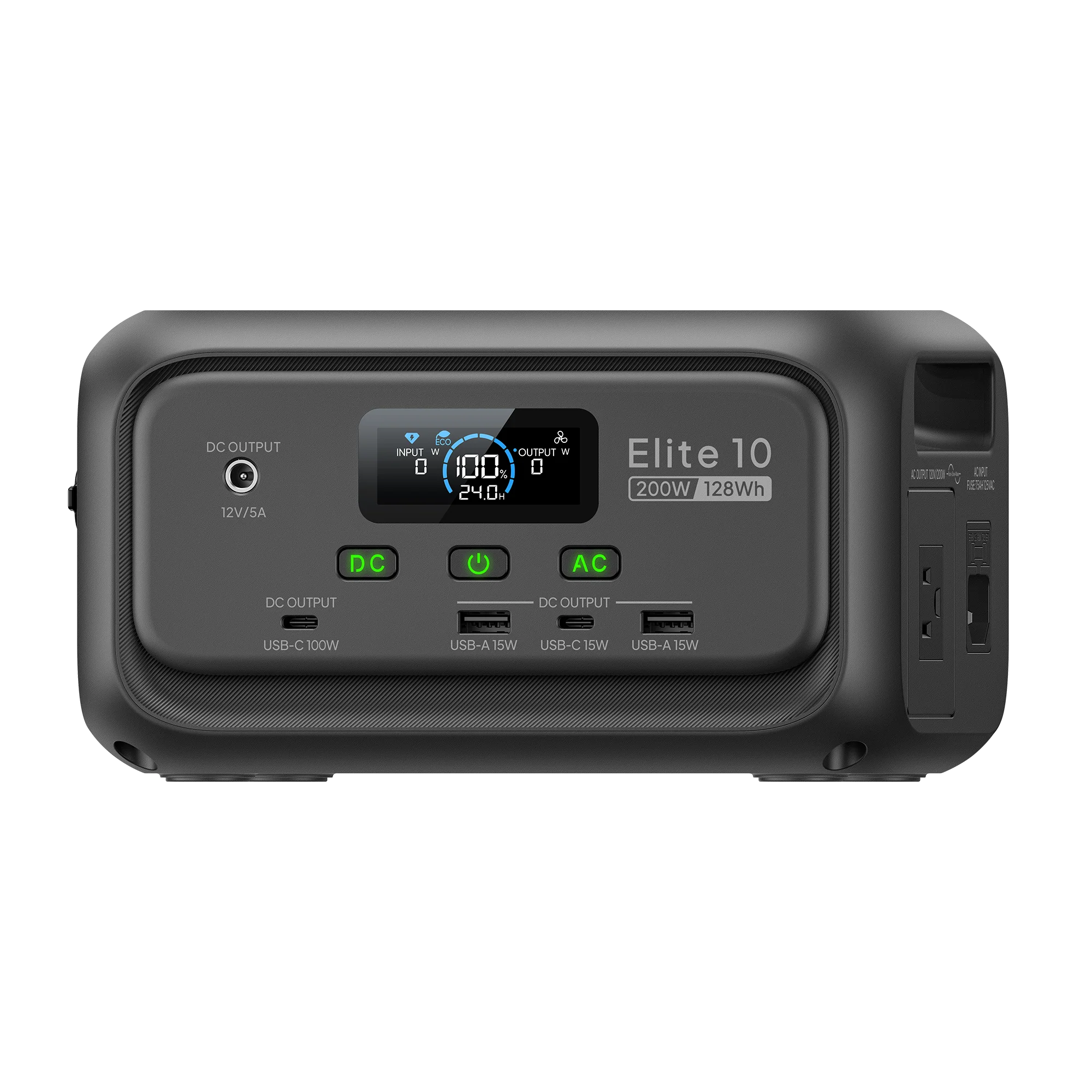 Elite 30 V2288 Wh
 Elite 100 V21,024 Wh
 Elite 200 V22,074 Wh
 Elite 3003,014 Wh
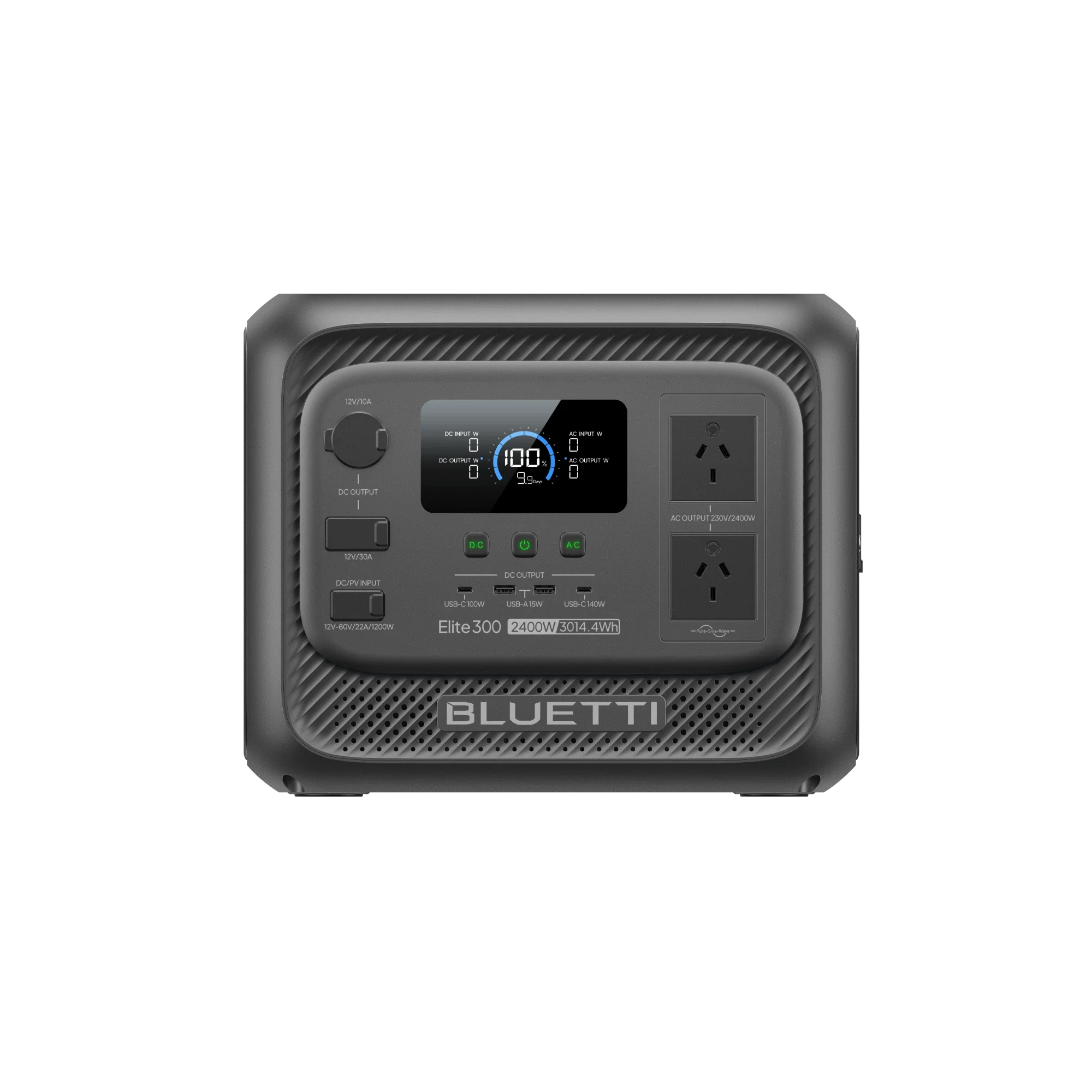 Elite 3203,200 Wh
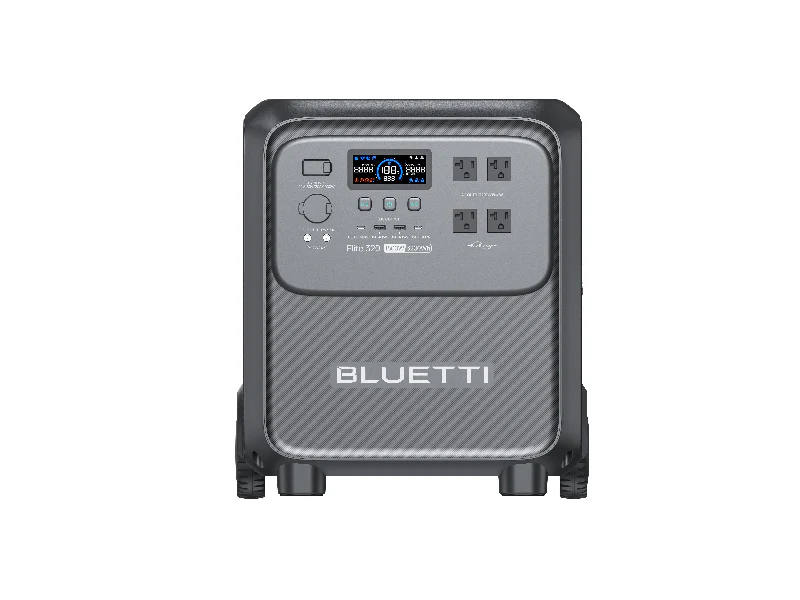 Elite 4003,840 Wh
Apex2,765–13,005 Wh
Elite128–3,840 Wh
This compares two entire product lines, not two units. Get the line right and the model almost picks itself. Get it wrong and no amount of comparing model numbers will rescue the decision. Already know the two units you're torn between? Compare two products head-to-head
Two lines, two different jobs
BLUETTI Apex
Runtime-forwardApex is BLUETTI's modular line. An Apex unit is bought as a starting point: a base station with standard solar wiring, designed to have batteries stacked onto it as needs grow. Its inverter is deliberately modest relative to the energy it can eventually hold, because the line is built around endurance and capacity rather than starting power.
BLUETTI Elite
Power-forwardElite is the current sealed portable line. Every unit is complete on the day you buy it — a substantial inverter relative to its pack, fast switchover, and good energy density. What you choose at purchase is what you’ve permanently, which makes sizing the decision that matters.
Are these two lines even competing?
Before asking which is better, it's worth asking whether they overlap at all.
These are close to opposite philosophies, and for most of their range they aren’t competing. Elite spans small portables up to a large one; Apex starts near the top of Elite and climbs into whole-home territory.
Where they meet, around three kilowatt-hours, the two units hold similar energy and behave completely differently. An Elite at that size carries a much larger inverter relative to its pack, so it starts demanding appliances readily. An Apex holds the same energy behind a smaller inverter and is built to keep going, and to grow. Same shelf, different tools — which is exactly why capacity alone is a poor way to choose between them.
The short version
These two barely occupy the same shelf — 7% of their capacity ranges overlap. For almost the whole range this isn't a close call at all. Pick the wrong one and you won't have bought a slightly worse unit; you'll have bought the wrong kind of thing.
What actually separates them
Five specifications that decide which line fits — and one that doesn't.
Power character
Output divided by capacity describes what kind of tool a unit is. A high ratio means a large inverter on a modest pack — it starts demanding appliances but doesn’t run them long. A low ratio is the opposite: modest draw, sustained for hours.
Apex
0.49 W/Wh
Elite
1.25 W/Wh
The gap here is the widest on any page in this set — Elite carries roughly two and a half times the output per watt-hour that Apex does. That single number is the two lines' entire design disagreement. Elite is built to start things; Apex is built to keep going.
Room to grow
Expandability is whether a unit accepts a second battery later. It separates a finished appliance from the first component of a larger system.
Apex
100%
Elite
0%
Total opposites, with nothing in between. Every Apex accepts more battery; no Elite does. If your capacity needs are uncertain, that’s the argument for Apex regardless of anything else on this page.
Starting headroom
Surge is the brief spike a motor demands at the instant it starts — a fridge compressor or a pump can pull several times its running draw for a fraction of a second. Surge headroom is how far above rated output a unit can go to absorb that.
Apex
—× rated
Elite
2.0× rated
Apex carries more headroom above its rated output, which partly offsets its smaller inverter for motor loads. It’s a useful corrective to the power-character number above: Apex is steadier, but it’s not soft when something kicks in.
Lifespan
A cycle is one full discharge and recharge. The rating is roughly how many you get before capacity settles to about 80% of new.
Apex
6,000
Elite
3,000
Apex is rated for more cycles. For a line intended to be installed and used daily for years that matters more than it would on a unit taken out a few weekends a year — the same difference means very little to occasional use and quite a lot to a household running it every day.
Switchover speedNo difference
When utility power drops, a unit with UPS passthrough takes over — but not instantly. Under about 10ms almost nothing notices; around 20ms sensitive gear can blink.
Apex
10ms
Elite
10ms
Identical across both lines, and both are in the safe band. Whatever you’re protecting, switchover speed isn’t a reason to choose between these two — which usefully removes one variable from a decision that has plenty of others.
What each line is good at, and what it isn't
BLUETTI Apex
Strengths
- Every unit accepts more battery — capacity becomes a decision you can defer
- More surge headroom above rated output than the Elite line
- Rated for more charge cycles, which compounds under daily use
- Standard MC4 solar wiring across the line, matching ordinary panel hardware
Limits
- A modest inverter relative to capacity — not the line for high-draw appliances
- Lower solar input relative to the energy it holds than most lines here
- Starts large: no small or genuinely portable option exists
- The base unit is a starting point, so growing it means further purchases
BLUETTI Elite
Strengths
- Roughly two and a half times the output per watt-hour — starts demanding appliances readily
- Better energy density, and genuinely portable at the small end
- Same fast switchover as Apex, so nothing is given up protecting sensitive gear
- A complete, finished product with nothing further to buy
Limits
- No unit accepts a second battery — sizing is a permanent decision at purchase
- Less surge headroom than Apex for motor startup
- Rated for fewer cycles, which shows up under daily cycling
- Tops out well below where Apex is designed to reach
How to read this
A limit isn't a fault — it's a constraint on what a line is built to do. Every line here has them, including whichever one suits you. The useful question is which set of limits you'll never notice.
Where the lines actually collide
Models within 15% of each other on capacity — and whether they're truly interchangeable.
So which one should you buy?
Nobody actually buys a spec sheet. Find the row that sounds most like your life — that's the line we'd point you at, and why.
Backing up a home over days, not hours
Apex is built for endurance and keeps growing as you add batteries.
Running a microwave, kettle or power tools
Elite carries far more inverter per watt-hour stored.
You’re unsure how much capacity you need
Apex lets you defer the decision. Elite makes it permanent.
Something you’ll move around
Apex has no portable option at all; Elite is denser and starts much smaller.
Wiring into panels you already own
Apex uses standard MC4 connectors across the whole line.
Or start from the job instead
If you already know what you need it to do, these rank models for that job across every brand we track — not just these two lines.
Every model, if you want to see the whole range
Apex · 5 models
| Model | Wh | W | lb | Exp. |
|---|---|---|---|---|
| Apex 300 | 2,765 | 3,840 | 83.8 | Yes |
| Apex 300 + B300K | 5,530 | 3,840 | 148.8 | Yes |
| Apex 300 + B500K | 7,885 | 3,840 | 183.0 | Yes |
| Apex 300 + 2*B300K | 8,294 | 3,840 | 213.9 | Yes |
| Apex 300 + 2*B500K | 13,005 | 3,840 | 282.2 | Yes |
Elite · 7 models
| Model | Wh | W | lb | Exp. |
|---|---|---|---|---|
| Elite 10 Mini | 128 | 200 | 4.0 | — |
| Elite 30 V2 | 288 | 600 | 10.3 | — |
| Elite 100 V2 | 1,024 | 1,800 | 25.0 | — |
| Elite 200 V2 | 2,074 | 2,600 | 53.4 | — |
| Elite 300 | 3,014 | 2,400 | 58.0 | — |
| Elite 320 | 3,200 | 1,800 | 75.0 | — |
| Elite 400 | 3,840 | 2,600 | 85.0 | — |
BLUETTI Apex vs Elite series FAQs
What is the difference between BLUETTI Apex and Elite?
They’re built on opposite principles. Elite carries roughly two and a half times the output per watt-hour, so it starts demanding appliances readily, but no Elite unit accepts a second battery. Apex pairs a more modest inverter with unlimited capacity growth — every unit takes more battery — plus more surge headroom and a higher cycle rating. Elite is a finished portable; Apex is the first piece of a system.
Is Apex or Elite better for home backup?
Apex, in most cases. It’s designed to be installed and expanded, uses standard MC4 solar wiring, and is rated for more cycles — which matters when a unit runs every day rather than a few weekends a year. Elite will back up a home for a shorter stretch and can’t be grown afterwards.
Can Apex run high-power appliances?
Less readily than Elite. Apex holds far more energy but pairs it with a smaller inverter, so it’s built to run moderate loads for a long time rather than to start heavy ones. It does carry more surge headroom than Elite, so motor startup is handled well — it’s sustained high draw where Elite pulls ahead.
Which BLUETTI line switches over faster during an outage?
Neither — they’re identical on switchover speed, and both are fast enough that sensitive equipment should not notice the cutover. This is one variable you can take out of the decision entirely.
Is Elite portable and Apex not?
Broadly, yes. Elite spans genuinely carryable units up to substantial ones and is the denser line by weight. Apex starts near the top of Elite's range and only goes up, so there’s no portable Apex option.
Related line comparisons
Figures are generated from our catalog of 146 power stations and refresh with it — line-level values are medians across every model in the line. See how we test and score.