

Product line comparison
SOLIX FvsHomePowerSeries
Two home-backup lines aimed at the same job — one built around solar and expansion, the other around lasting.
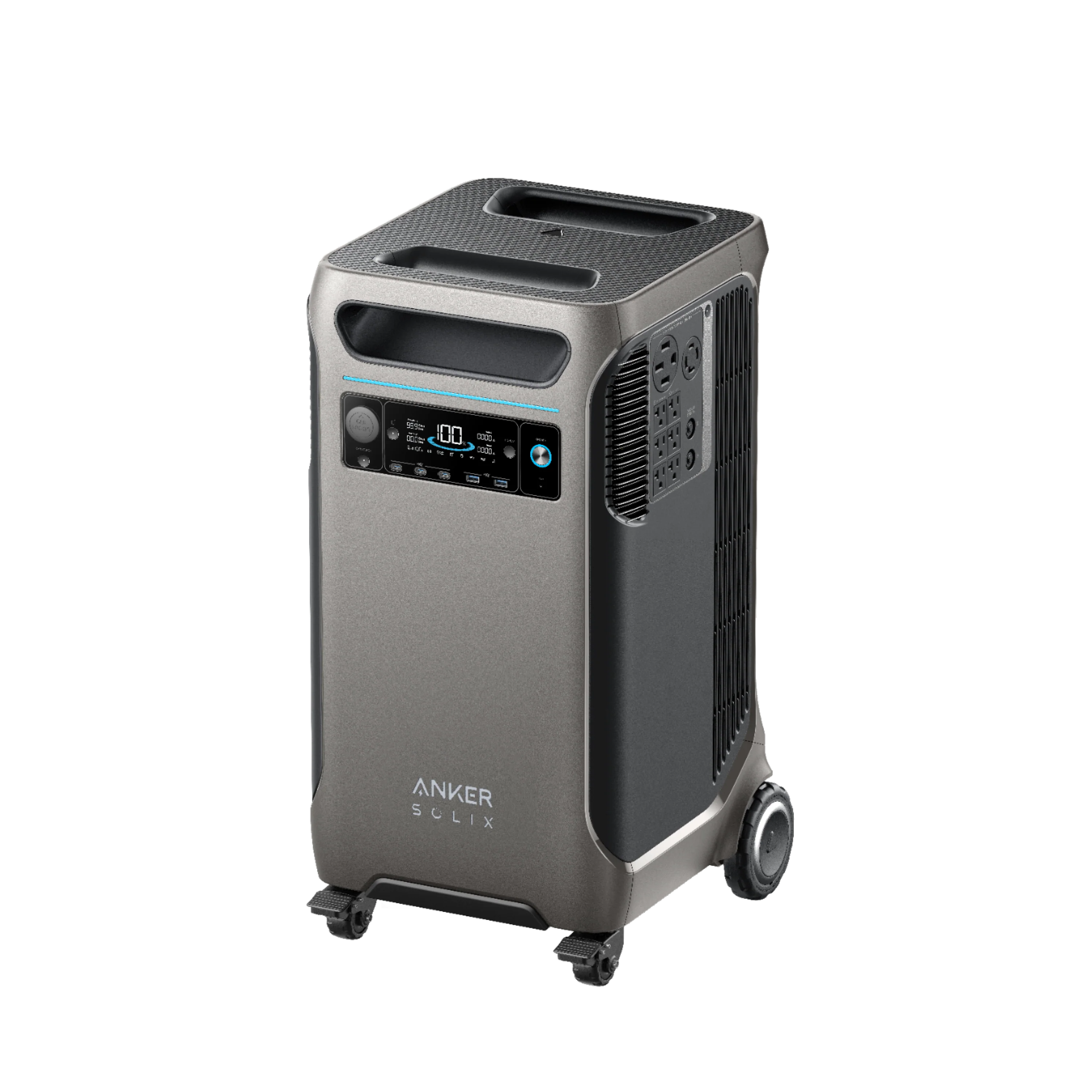
SOLIX F Series
Home-backup chassis — solar throughput and expansion.
5 models/2,048–3,840 Wh/100% expandable

HomePower Series
Backup duty — the longest-lived cells in the catalog.
5 models/1,024–3,584 Wh/60% expandable
- Models compared
- 105 + 5
- Capacity spanned
- 1,024–3,840Wh
- Ranges overlap
- 42%of the band
- Genuine rivals
- 4model pairs
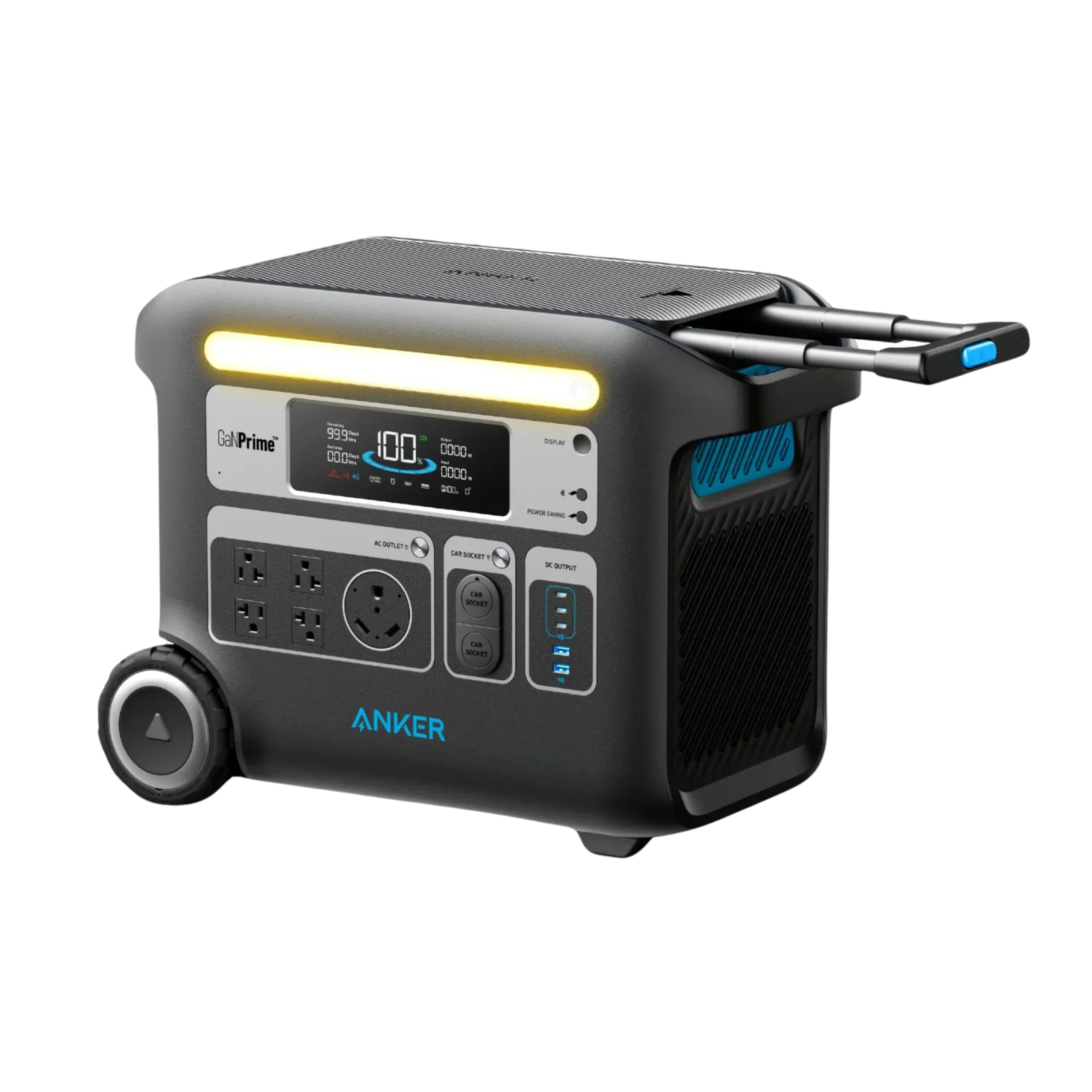 SOLIX F26002,560 Wh
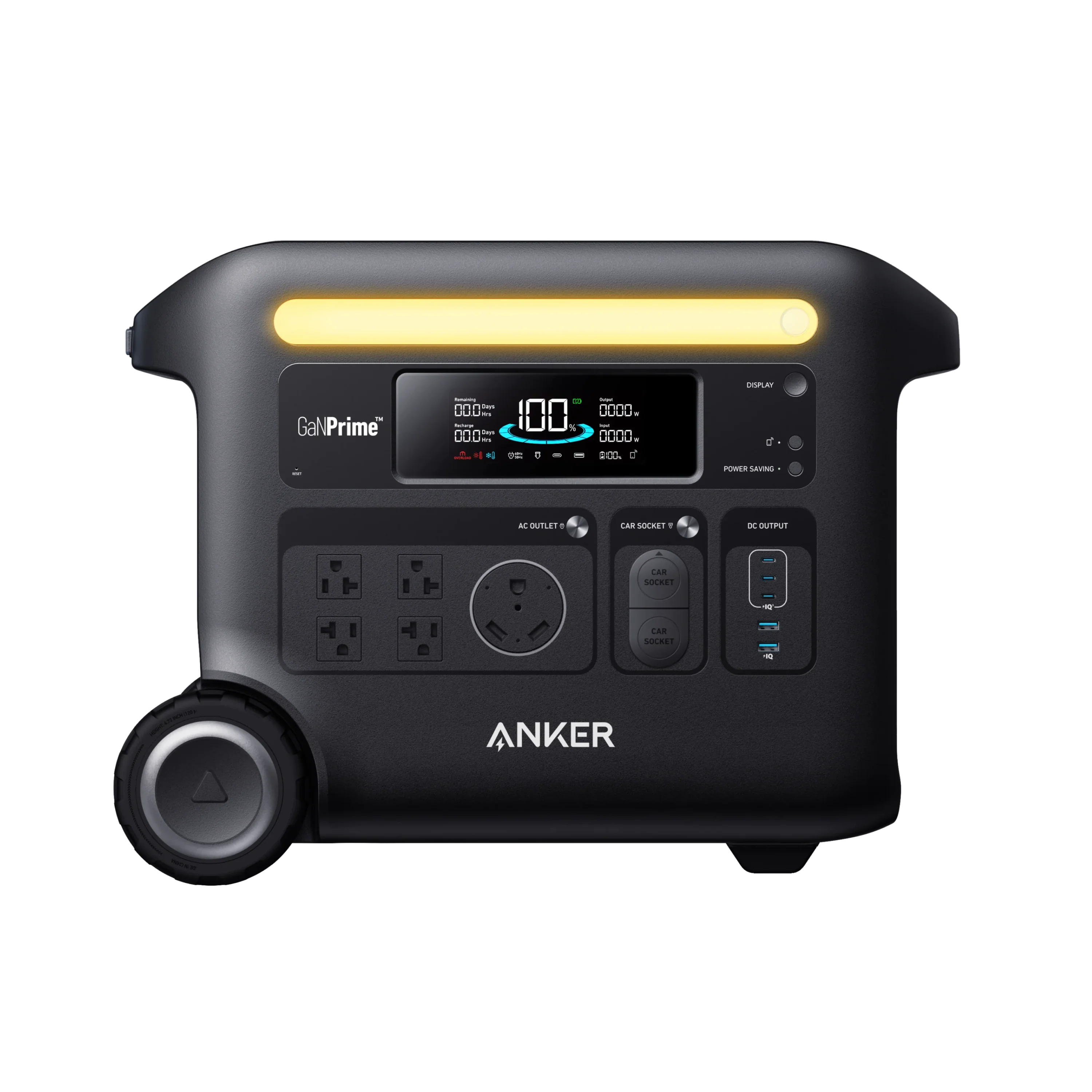 SOLIX F30003,072 Wh
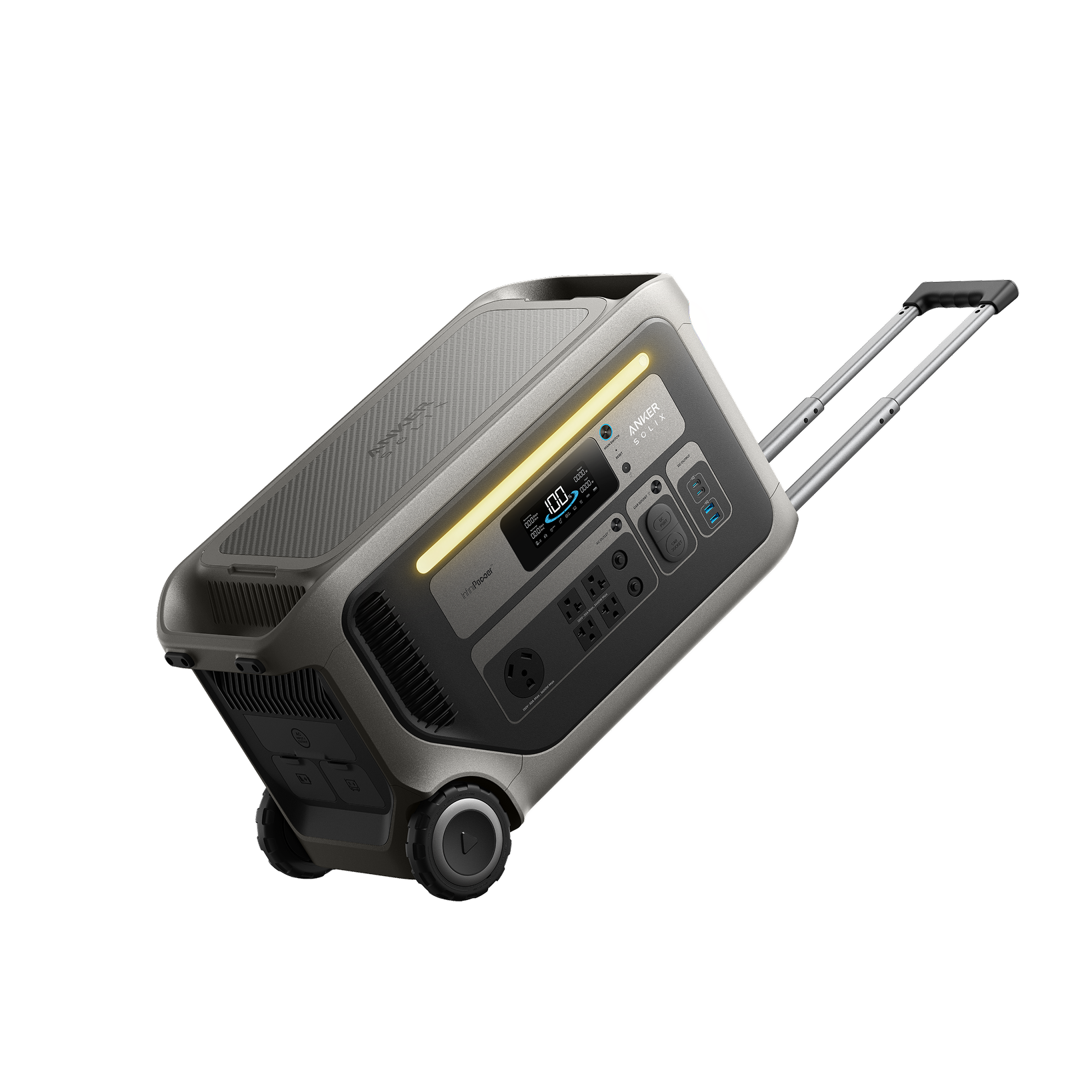 SOLIX F38003,840 WhHomePower 1000 v21,024 Wh
 HomePower 2000 Plus v22,048 Wh
 HomePower 30003,072 Wh
 HomePower 3600 Plus3,584 Wh
SOLIX F2,048–3,840 Wh
HomePower1,024–3,584 Wh
This compares two entire product lines, not two units. Get the line right and the model almost picks itself. Get it wrong and no amount of comparing model numbers will rescue the decision. Already know the two units you're torn between? Compare two products head-to-head
Two lines, two different jobs
Anker SOLIX F
Power-forwardSOLIX F is Anker's home-backup line: five units, all large, all designed to be installed near an array and grown. Its defining traits are the highest solar intake relative to capacity of any line here and universal support for expansion batteries. An F unit assumes panels and assumes you’ll add to it.
Jackery HomePower
Power-forwardHomePower is Jackery's backup line and takes a different route to the same destination. Rather than maximising intake and expansion, it’s engineered around service life and density — the longest-lived cells in the catalog, the most energy per pound we measure, and fast switchover for sensitive equipment.
Are these two lines even competing?
Before asking which is better, it's worth asking whether they overlap at all.
These two are close peers. They occupy overlapping capacities, hold identical power character, and place four pairs of models directly against each other at matching capacity and output. For the job of backing up a house, either line will do it.
What separates them is the strategy, not the capability. Anker's line is built to take in more energy and to keep growing. Jackery's is built to weigh less and to last longer doing the same work. Those are different bets about how a household actually uses backup power, and which is right depends on whether your constraint is roof space or years of service.
The short version
There's a real contested band here — 42% of the two ranges, with 4 pairs that genuinely do the same job. Inside that band it's a close call and worth reading carefully. Outside it, these stop being alternatives and start being different tools.
What actually separates them
Five specifications that decide which line fits — and one that doesn't.
Lifespan
A cycle is one full discharge and recharge, and the rating is roughly how many you get before capacity settles to about 80% of new. The gap only bites in proportion to how often you cycle.
SOLIX F
3,000
HomePower
6,000
HomePower is rated for double the cycles. For a household cycling its backup daily — solar-first homes, off-grid setups, anywhere the unit works every night — that’s the single most consequential difference here. For occasional outage cover, neither line will reach its rating and this should not decide it.
Solar recharge rate
Solar input divided by capacity tells you roughly how many hours of good sun it takes to refill a unit. A higher figure means it refills faster relative to its size.
SOLIX F
0.63 W per Wh
HomePower
0.33 W per Wh
SOLIX F leads clearly, and among home-backup lines it takes in the most solar relative to capacity of anything we track. If the constraint is daylight rather than years — a short winter window, a partly shaded roof — F converts what sun there’s into stored energy faster.
Room to grow
Expandability is whether a unit accepts a second battery later. It separates a finished appliance from the first component of a larger system.
SOLIX F
100%
HomePower
60%
Every F takes another battery; a majority but not all of HomePower does. If the plan is to start modest and build toward whole-home coverage, F removes the risk of picking a model that turns out to be a dead end.
Carry weight
Watt-hours per pound is how much energy you get for what you have to lift. Neither line is portable, but density still decides whether one person can reposition a unit alone.
SOLIX F
30.5 Wh/lb
HomePower
48.5 Wh/lb
The widest gap on this page. HomePower is the densest line in the catalog and SOLIX F among the least dense — a HomePower unit holds substantially more energy per pound. F's weight is the home-backup chassis rather than poor engineering, but it’s weight nonetheless.
Power characterNo difference
Output divided by capacity describes what kind of tool a unit is. A high ratio means a large inverter on a modest pack; a low ratio means endurance.
SOLIX F
1.17 W/Wh
HomePower
1.17 W/Wh
Identical. For a given size these lines start and run the same things in the same way, which is why this comparison turns entirely on lifespan, solar intake, expansion and weight rather than on capability.
What each line is good at, and what it isn't
Anker SOLIX F
Strengths
- The highest solar intake relative to capacity of any home-backup line we track
- Every unit in the line accepts an expansion battery — no dead ends
- Purpose-built home-backup chassis with the inverter and wiring to match
- Identical power character to HomePower, so nothing is given up on capability
Limits
- Among the least energy-dense lines we measure — heavy for what it holds
- Half the cycle rating of HomePower, which compounds under daily use
- Slower switchover, so more marginal for desktops and medical equipment
- Only five models, all large, with no smaller option in the line
Jackery HomePower
Strengths
- Double the cycle rating — among the longest-lived lines we track
- The most energy-dense line we measure, by a wide margin over SOLIX F
- Faster switchover, safe for sensitive equipment across the line
- More surge headroom above rated output for motor startup
Limits
- Lower solar intake relative to capacity than SOLIX F
- A majority but not all of the line expands, so model choice matters
- Only five models, so less choice if your requirement falls between sizes
- A newer line with less field history behind it
How to read this
A limit isn't a fault — it's a constraint on what a line is built to do. Every line here has them, including whichever one suits you. The useful question is which set of limits you'll never notice.
Where the lines actually collide
Models within 15% of each other on capacity — and whether they're truly interchangeable.
SOLIX FSOLIX F3800HomePowerHomePower 3600 Pro MaxIdentical figures for SOLIX F3800 PLUS
SOLIX FSOLIX F3000HomePowerHomePower 3600 PlusSOLIX FSOLIX F2000HomePowerHomePower 2000 Plus v2So which one should you buy?
Nobody actually buys a spec sheet. Find the row that sounds most like your life — that's the line we'd point you at, and why.
Solar-first household cycling every day
Double the cycle rating is worth years when the unit works nightly.
Limited daylight or a partly shaded array
SOLIX F takes in the most solar per watt-hour stored of any home-backup line we track.
Starting modest and building to whole-home
Every F expands, so no model choice turns out to be a dead end.
Protecting a desktop or CPAP
HomePower switches over faster and is safe across the line.
A unit you may need to reposition alone
HomePower is the densest line we measure; SOLIX F is near the bottom.
Or start from the job instead
If you already know what you need it to do, these rank models for that job across every brand we track — not just these two lines.
Every model, if you want to see the whole range
SOLIX F · 5 models
| Model | Wh | W | lb | Exp. |
|---|---|---|---|---|
| SOLIX F2000 | 2,048 | 2,400 | 67.2 | Yes |
| SOLIX F2600 | 2,560 | 2,400 | 70.5 | Yes |
| SOLIX F3000 | 3,072 | 3,600 | 91.5 | Yes |
| SOLIX F3800 | 3,840 | 6,000 | 132.3 | Yes |
| SOLIX F3800 PLUS | 3,840 | 6,000 | 132.3 | Yes |
HomePower · 5 models
| Model | Wh | W | lb | Exp. |
|---|---|---|---|---|
| HomePower 1000 v2 | 1,024 | 1,500 | 23.4 | — |
| HomePower 2000 Plus v2 | 2,048 | 2,400 | 41.5 | Yes |
| HomePower 3000 | 3,072 | 3,600 | 59.5 | — |
| HomePower 3600 Plus | 3,584 | 3,600 | 77.2 | Yes |
| HomePower 3600 Pro Max | 3,584 | 4,000 | 73.9 | Yes |
Anker SOLIX F vs Jackery HomePower series FAQs
Is Anker SOLIX F or Jackery HomePower better for home backup?
Both are built for the job and hold identical power character, so it depends on your constraint. SOLIX F takes in more solar relative to its size and every model expands, making it the stronger choice where daylight is limited or the setup will grow. HomePower is rated for double the cycles, is far denser per pound, and switches over faster — the better choice for a household cycling its backup every day.
Which one charges faster from solar?
SOLIX F, clearly. Among home-backup lines it accepts the most solar relative to capacity of anything we track, so it converts a limited daylight window into stored energy faster than HomePower does.
Which lasts longer?
HomePower, at double the cycle rating. Under daily cycling that’s a difference measured in years of service. If the unit only runs during occasional outages, neither will approach its rating and the gap should not drive the decision.
Can both be expanded with extra batteries?
Every SOLIX F model accepts an expansion battery. Most but not all HomePower models do, so if expansion matters, check the specific model on the Jackery side — on the Anker side any model in the line will do.
Which is heavier?
SOLIX F, substantially, per watt-hour stored — it’s among the least energy-dense lines we measure while HomePower is the densest. Neither is portable, but a HomePower unit is far easier to reposition once installed.
Related line comparisons
Figures are generated from our catalog of 146 power stations and refresh with it — line-level values are medians across every model in the line. See how we test and score.