
Product line comparison
BLUETTIACvsEliteSeries
AC is the older line that grows. Elite is the newer line that doesn't.

AC Series
The long-running expandable line.
12 models/448–12,288 Wh/58% expandable

Elite Series
The current sealed portable line — light, fast-switching, fixed.
7 models/128–3,840 Wh/0% expandable
- Models compared
- 1912 + 7
- Capacity spanned
- 128–12,288Wh
- Ranges overlap
- 47%of the band
- Genuine rivals
- 5model pairs
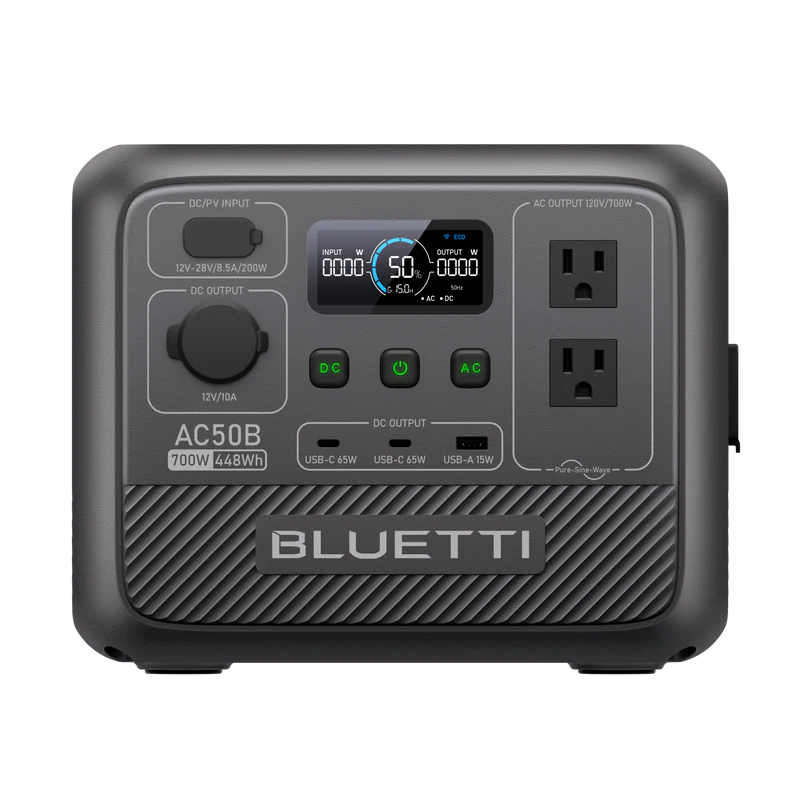 AC60P504 Wh
 AC70768 Wh
.webp) AC70P864 Wh
AC70P864 Wh AC1801,152 Wh
 AC180P1,440 Wh
 AC240P1,843 Wh
 AC200L2,048 Wh
 AC200P L2,304 Wh
 AC500 + 2*B300K5,530 Wh
 AC300 + 4*B30012,288 WhElite 10 Mini128 Wh
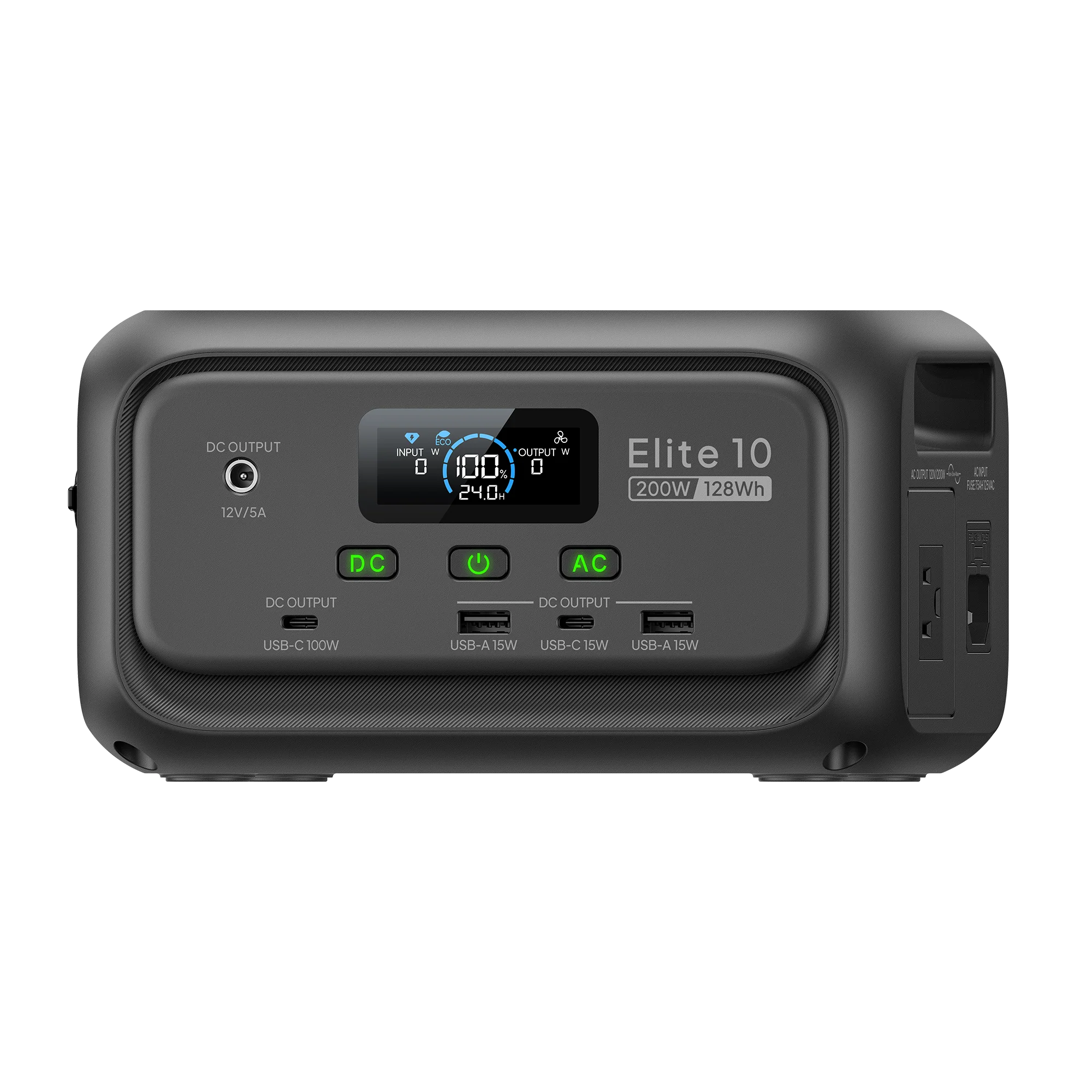 Elite 30 V2288 Wh
 Elite 100 V21,024 Wh
 Elite 200 V22,074 Wh
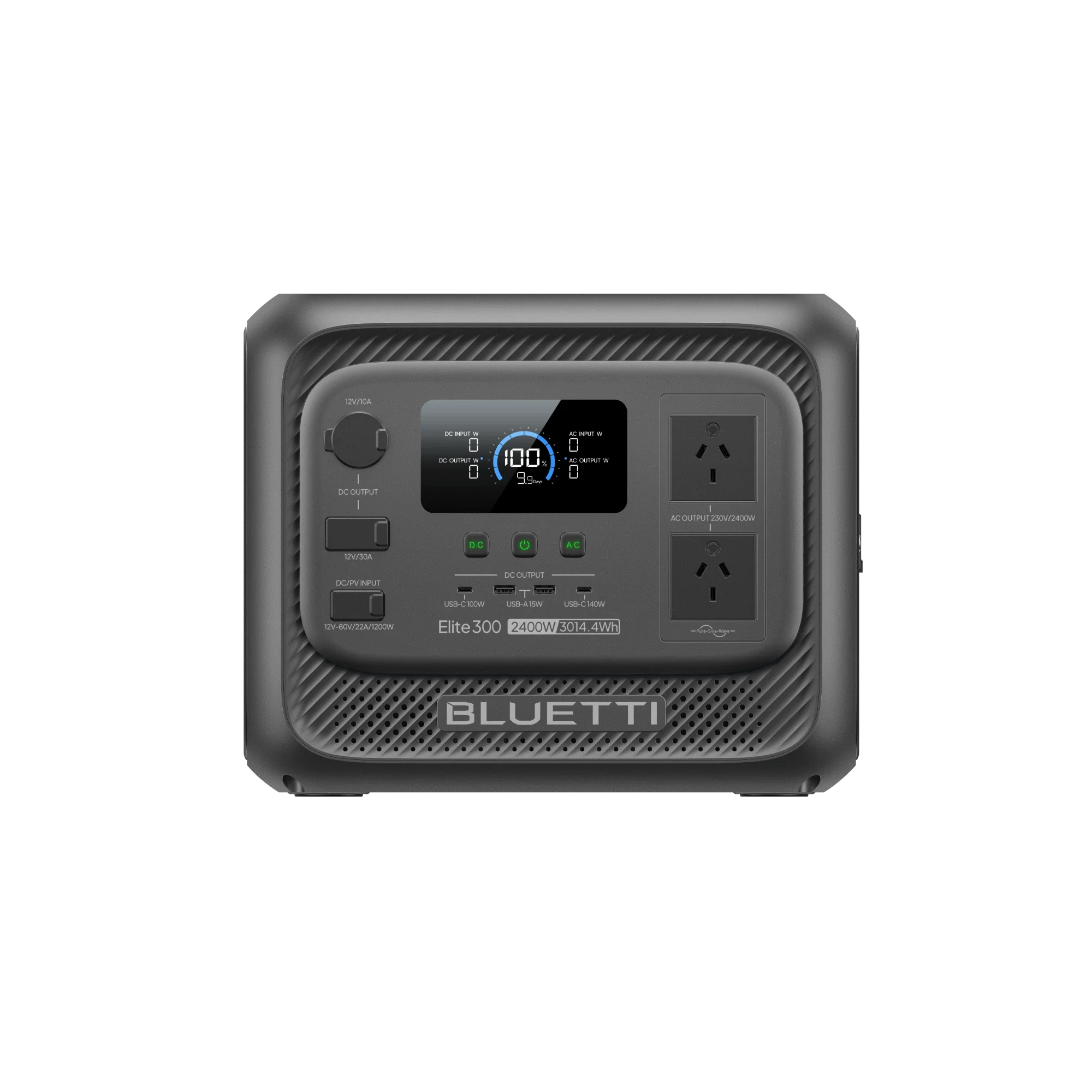
 Elite 3003,014 Wh
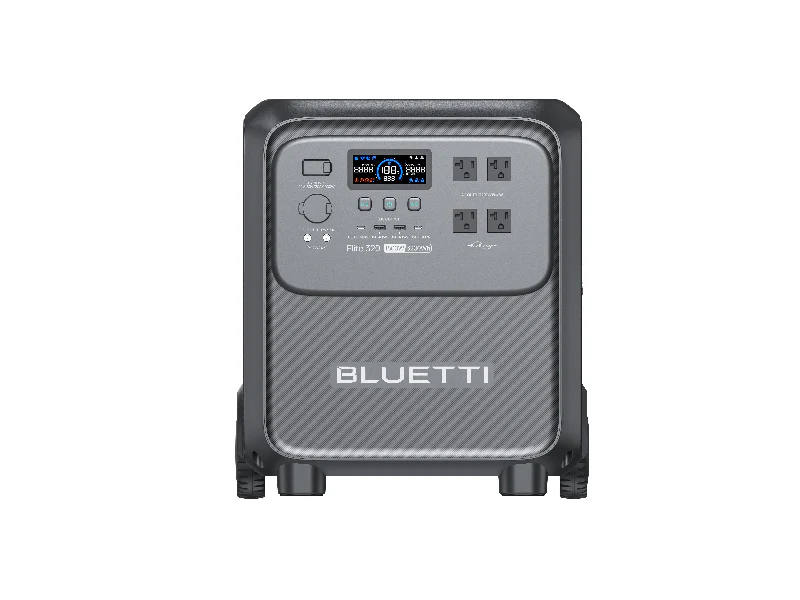
 Elite 3203,200 Wh
 Elite 4003,840 Wh
AC448–12,288 Wh
Elite128–3,840 Wh
This compares two entire product lines, not two units. Get the line right and the model almost picks itself. Get it wrong and no amount of comparing model numbers will rescue the decision. Already know the two units you're torn between? Compare two products head-to-head
Two lines, two different jobs
BLUETTI AC
Runtime-forwardAC is BLUETTI's long-running range and by far its broadest, spanning small portables all the way up to modular stacks measured in tens of kilowatt-hours. Its defining trait is that most of it expands: an AC unit is frequently the first component of a setup rather than the whole of it, which is why the line reaches so much further at the top end.
BLUETTI Elite
Power-forwardElite is the current portable line, and it’s a tighter, lighter, more modern design. Faster switchover, better energy density, a cleaner spread of sizes from a genuinely tiny unit up to a substantial one. What it doesn’t do — anywhere in the line — is accept a second battery.
Are these two lines even competing?
Before asking which is better, it's worth asking whether they overlap at all.
These two overlap more than most line pairs, and for a good stretch of the middle they really are alternatives. Around the 2,000 Wh mark several AC units sit directly against the Elite 200 V2 on both capacity and output, and a buyer could reasonably take either.
Where they stop being comparable is at the ends and at the question of growth. Elite starts far smaller than any AC unit, and AC reaches far higher through its modular stacks. And if you expect to add capacity later, they aren’t alternatives at all at any size — one line supports it and the other doesn’t.
The short version
There's a real contested band here — 47% of the two ranges, with 5 pairs that genuinely do the same job. Inside that band it's a close call and worth reading carefully. Outside it, these stop being alternatives and start being different tools.
What actually separates them
Five specifications that decide which line fits — and one that doesn't.
Room to grow
Expandability is whether a unit accepts a second battery later. It’s the difference between buying a finished appliance and buying the first piece of something larger.
AC
58%
Elite
0%
This is the starkest number on the page, and it runs against the assumption that the newer line is the better one. Two thirds of the AC line accepts more battery. Not one Elite unit does. If your capacity needs might grow, the older line is the one to buy — and that’s not a conclusion most shoppers arrive at unaided.
Carry weight
Watt-hours per pound is how much energy you get for what you have to lift. It says nothing about total capacity — a dense unit can still be too heavy to move if it’s simply large.
AC
33.1 Wh/lb
Elite
41.0 Wh/lb
Elite is meaningfully denser, and this is where the newer engineering shows. For anything that moves between locations, Elite gives you more energy per pound carried. That density is bought partly with the sealed construction that costs it expandability.
Switchover speed
When utility power drops, a unit with UPS passthrough takes over — but not instantly. Under about 10ms almost nothing notices. Around 20ms most equipment rides through, but sensitive gear can blink: a desktop may reboot, some CPAP units will alarm.
AC
20ms
Elite
10ms
Elite halves the switchover. As a class it’s safe for a desktop or a medical device, where the AC line is model-by-model. If that’s the reason you’re buying, this axis decides it on its own.
Starting headroomNo difference
Surge is the brief spike a motor demands at the instant it starts — a fridge compressor or a pump can pull several times its running draw for a fraction of a second. Surge headroom is how far above rated output a unit can go to absorb that without tripping.
AC
2.0× rated
Elite
2.0× rated
Here the older line leads. AC carries more headroom above its rated output than Elite does, which makes it the safer bet for compressors, pumps and power tools. Two axes now favour AC — this and expandability — against Elite's weight and switchover.
Lifespan
A cycle is one full discharge and recharge. The rating is roughly how many you get before capacity settles to about 80% of new. At daily use the difference between these two lines is on the order of a year or so of service.
AC
3,500
Elite
3,000
AC is rated for more cycles. It’s a modest lead rather than a decisive one, but it’s a third axis where the older line is ahead — and it’s worth saying plainly, because "newer" and "longer-lived" are usually assumed to travel together.
What each line is good at, and what it isn't
BLUETTI AC
Strengths
- Two thirds of the line accepts an expansion battery, including the modular stacks
- More surge headroom above rated output — safer with compressors, pumps and tools
- Rated for more charge cycles than the newer line
- By far the broader range, reaching into whole-home territory at the top
Limits
- The least dense portable line here by weight — you carry more for the same energy
- Switchover is roughly twice Elite's, which is fine for most gear but not all
- A sprawling range with overlapping names that’s genuinely hard to navigate
- Several models in the line are currently unavailable
BLUETTI Elite
Strengths
- Noticeably more energy per pound — the easier line to actually move
- Switchover fast enough for a desktop or CPAP as a class, not case-by-case
- Cleaner, more current spread of sizes, including a genuinely tiny unit
- A slightly larger inverter relative to pack size
Limits
- No unit in the line accepts a second battery — what you buy is your ceiling
- Less surge headroom than the AC line, so more marginal on motor startup
- Rated for fewer cycles than the older line
- Tops out well below where AC's modular stacks reach
How to read this
A limit isn't a fault — it's a constraint on what a line is built to do. Every line here has them, including whichever one suits you. The useful question is which set of limits you'll never notice.
Where the lines actually collide
Models within 15% of each other on capacity — and whether they're truly interchangeable.

So which one should you buy?
Nobody actually buys a spec sheet. Find the row that sounds most like your life — that's the line we'd point you at, and why.
A setup you expect to grow
Not one Elite unit accepts a second battery. This is the whole decision.
Running a fridge, freezer or pump
Compressor startup wants surge headroom, and AC carries more of it.
Something you carry regularly
Elite gives you meaningfully more energy per pound lifted.
Protecting a desktop or CPAP
Elite switches over roughly twice as fast, reliably across the line.
Whole-home backup
Only the AC line's modular stacks reach that far.
Or start from the job instead
If you already know what you need it to do, these rank models for that job across every brand we track — not just these two lines.
Every model, if you want to see the whole range
AC · 12 models
| Model | Wh | W | lb | Exp. |
|---|---|---|---|---|
| AC50B | 448 | 700 | 14.8 | — |
| AC60P | 504 | 600 | 21.2 | Yes |
| AC70 | 768 | 1,000 | 22.5 | — |
| AC70P | 864 | 1,000 | 22.5 | — |
| AC180 | 1,152 | 1,800 | 35.3 | — |
| AC180P | 1,440 | 1,800 | 35.3 | — |
| AC240P | 1,843 | 2,400 | 72.0 | Yes |
| AC200L | 2,048 | 2,400 | 62.4 | Yes |
| AC200MAX | 2,048 | 2,200 | 61.9 | Yes |
| AC200P L | 2,304 | 2,400 | 63.5 | Yes |
| AC500 + 2*B300K | 5,530 | 5,000 | 196.1 | Yes |
| AC300 + 4*B300 | 12,288 | 3,000 | 367.2 | Yes |
Elite · 7 models
| Model | Wh | W | lb | Exp. |
|---|---|---|---|---|
| Elite 10 Mini | 128 | 200 | 4.0 | — |
| Elite 30 V2 | 288 | 600 | 10.3 | — |
| Elite 100 V2 | 1,024 | 1,800 | 25.0 | — |
| Elite 200 V2 | 2,074 | 2,600 | 53.4 | — |
| Elite 300 | 3,014 | 2,400 | 58.0 | — |
| Elite 320 | 3,200 | 1,800 | 75.0 | — |
| Elite 400 | 3,840 | 2,600 | 85.0 | — |
BLUETTI AC vs Elite series FAQs
What is the difference between BLUETTI AC and Elite series?
AC is the older, broader line and most of it accepts expansion batteries, reaching into whole-home capacities through modular stacks. Elite is the newer portable line — lighter for the energy it holds and roughly twice as fast switching to battery during an outage — but no Elite unit accepts a second battery. AC also carries more surge headroom and a slightly higher cycle rating.
Is the Elite series better than the AC series?
Not straightforwardly, and this is one case where newer isn’t simply better. Elite leads on weight and switchover speed. AC leads on expandability, surge headroom and cycle life, and it reaches far higher in capacity. Which is better depends entirely on whether you value portability and fast cutover, or growth room and starting power.
Can I add a battery to a BLUETTI Elite?
No. Not one model in the Elite line accepts an expansion battery, so the capacity you buy is the capacity you keep. If you expect your needs to grow, the AC line is the one that supports it — and that means buying the older line deliberately.
Which BLUETTI line is better for a refrigerator?
The AC line, generally. A fridge compressor draws a brief surge several times its running wattage at startup, and AC carries more headroom above its rated output to absorb that. Elite units will run many fridges, but AC is the safer bet for anything with a motor.
Which BLUETTI series is lighter?
Elite, and by a clear margin per watt-hour stored. That density is part of what the sealed construction buys — the same construction that means no Elite unit can take a second battery.
Related line comparisons
Figures are generated from our catalog of 146 power stations and refresh with it — line-level values are medians across every model in the line. See how we test and score.