Generation comparison
Goal ZeroYetivsYeti XSeries
This is a change of battery chemistry, not a model year — the current Yeti is rated for eight times the charge cycles of the outgoing X line.
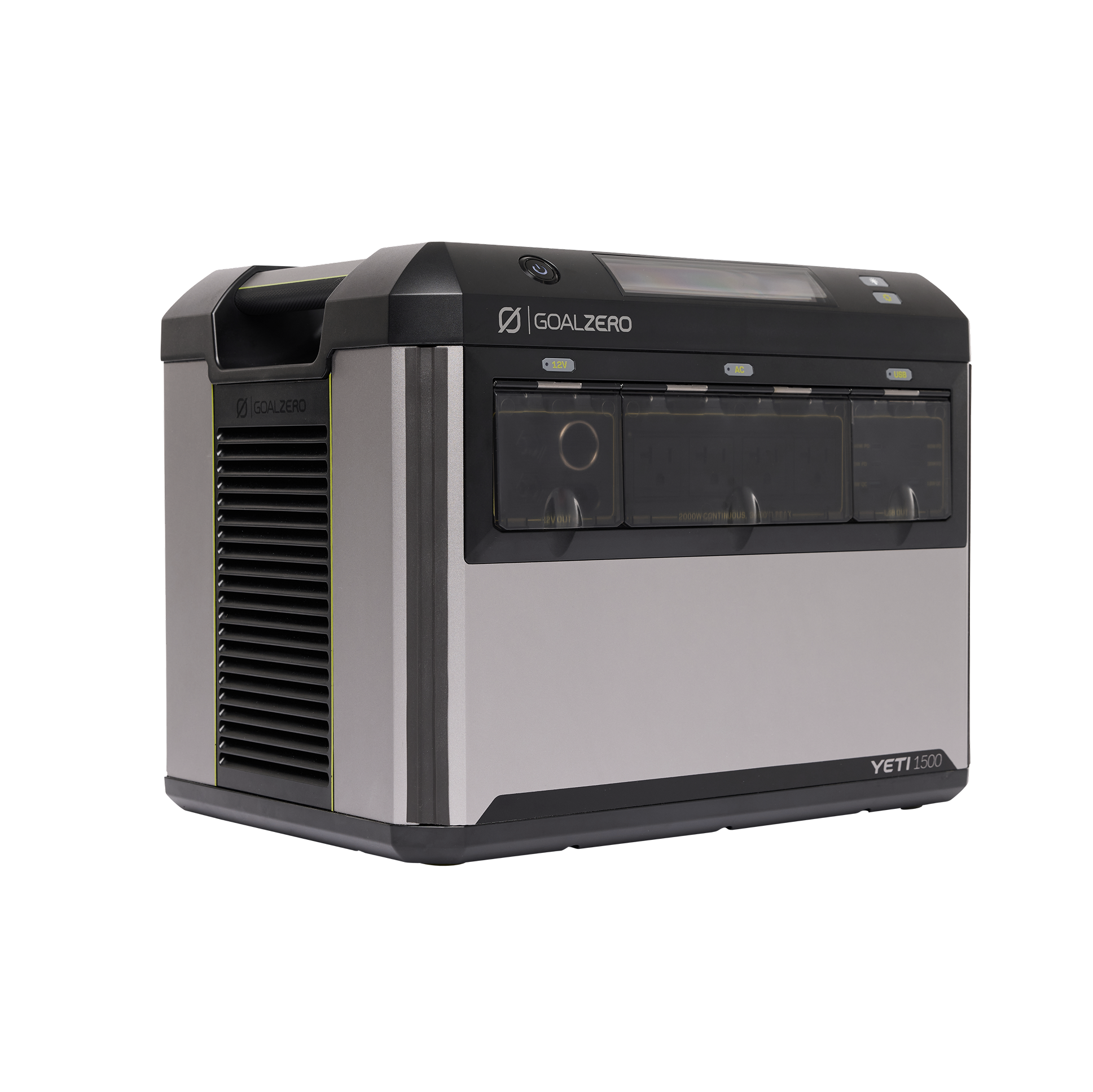
Yeti Series
The current LiFePO4 generation.
5 models/297–1,505 Wh/0% expandable
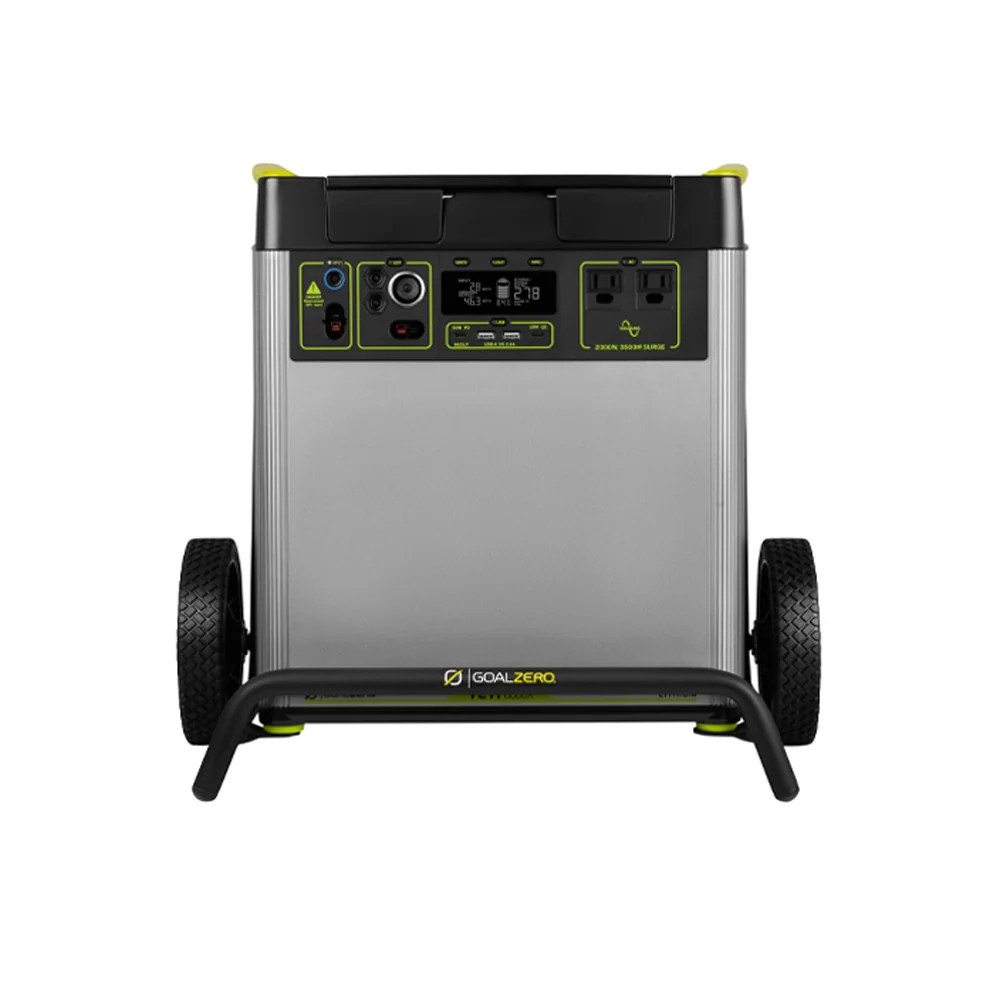
Yeti X Series
The outgoing NMC generation.
6 models/187–6,071 Wh/67% expandable
- Models compared
- 115 + 6
- Capacity spanned
- 187–6,071Wh
- Ranges overlap
- 47%of the band
- Genuine rivals
- 2model pairs
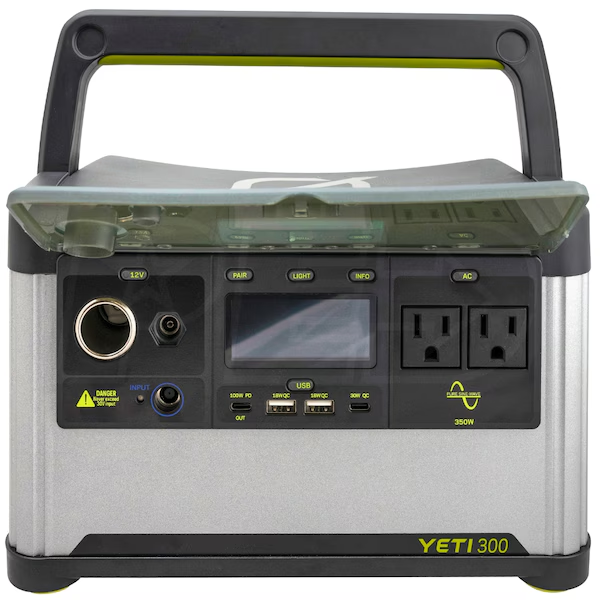 Yeti 500499 Wh
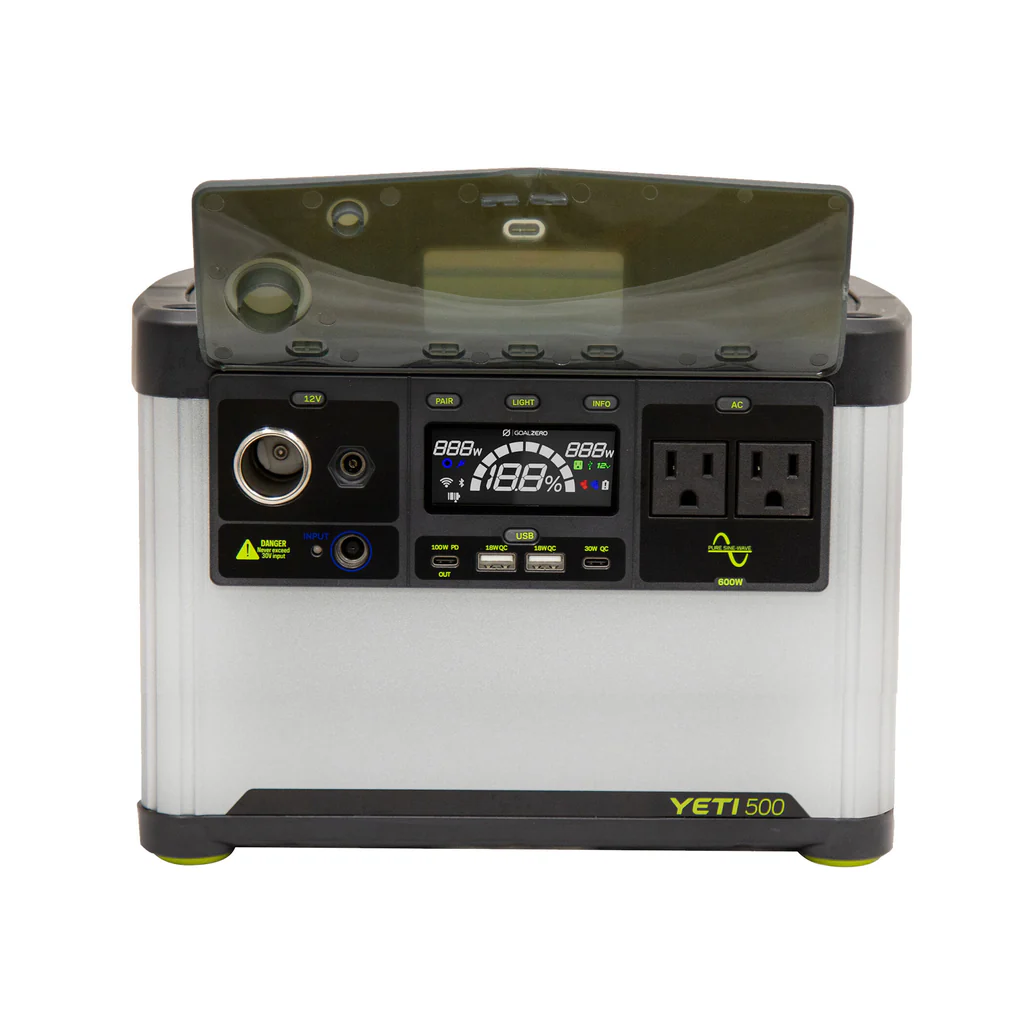 Yeti 700677 Wh
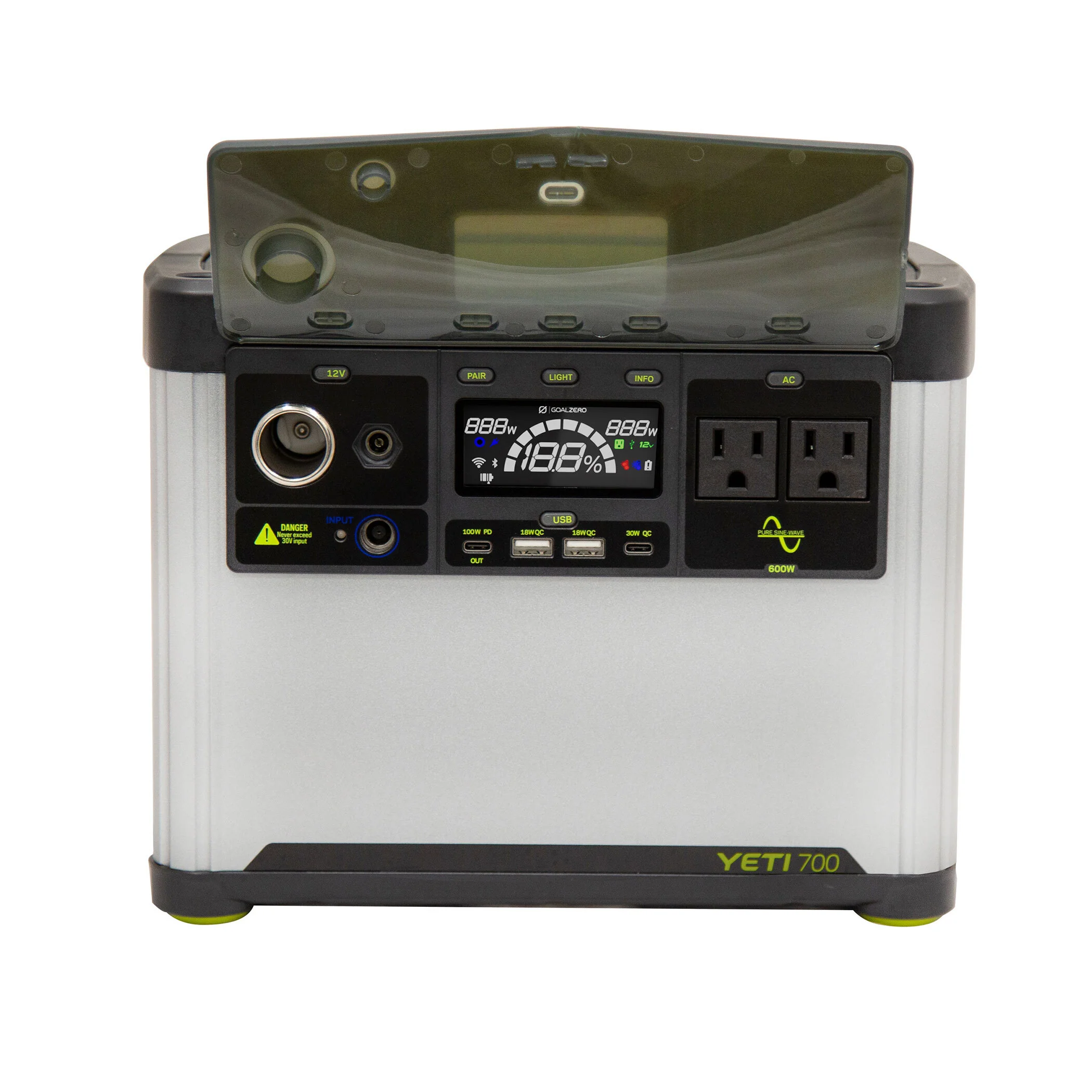 Yeti 1000 (6th Gen)988 Wh
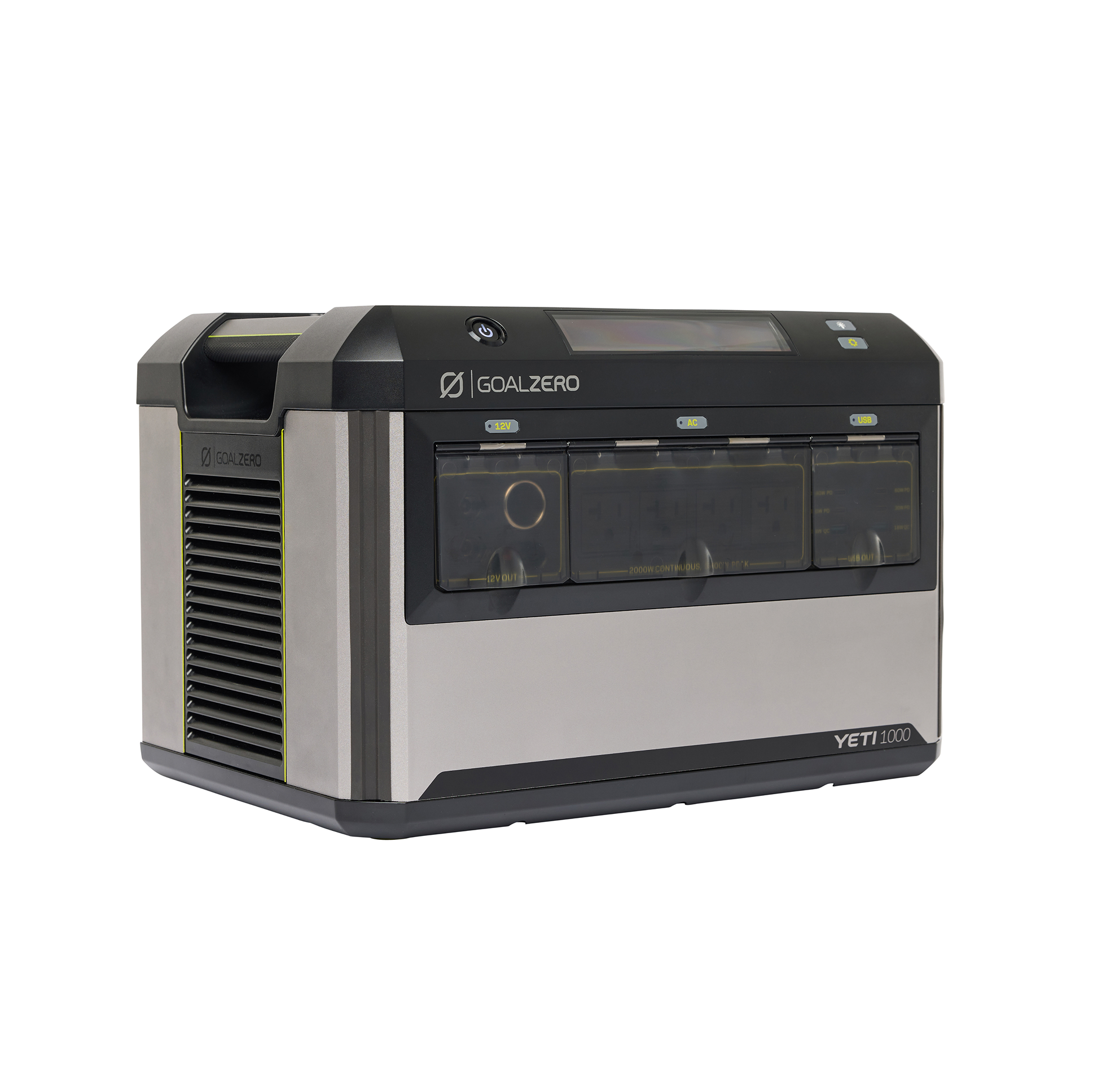 Yeti 1500 (6th Gen)1,505 WhYeti 200X187 Wh
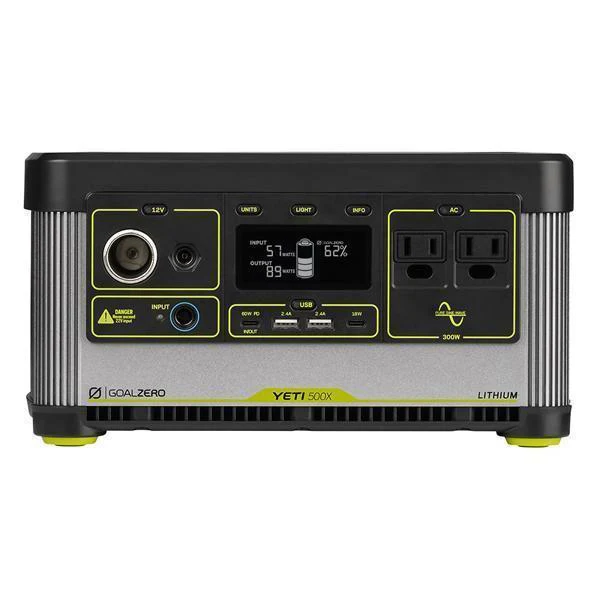
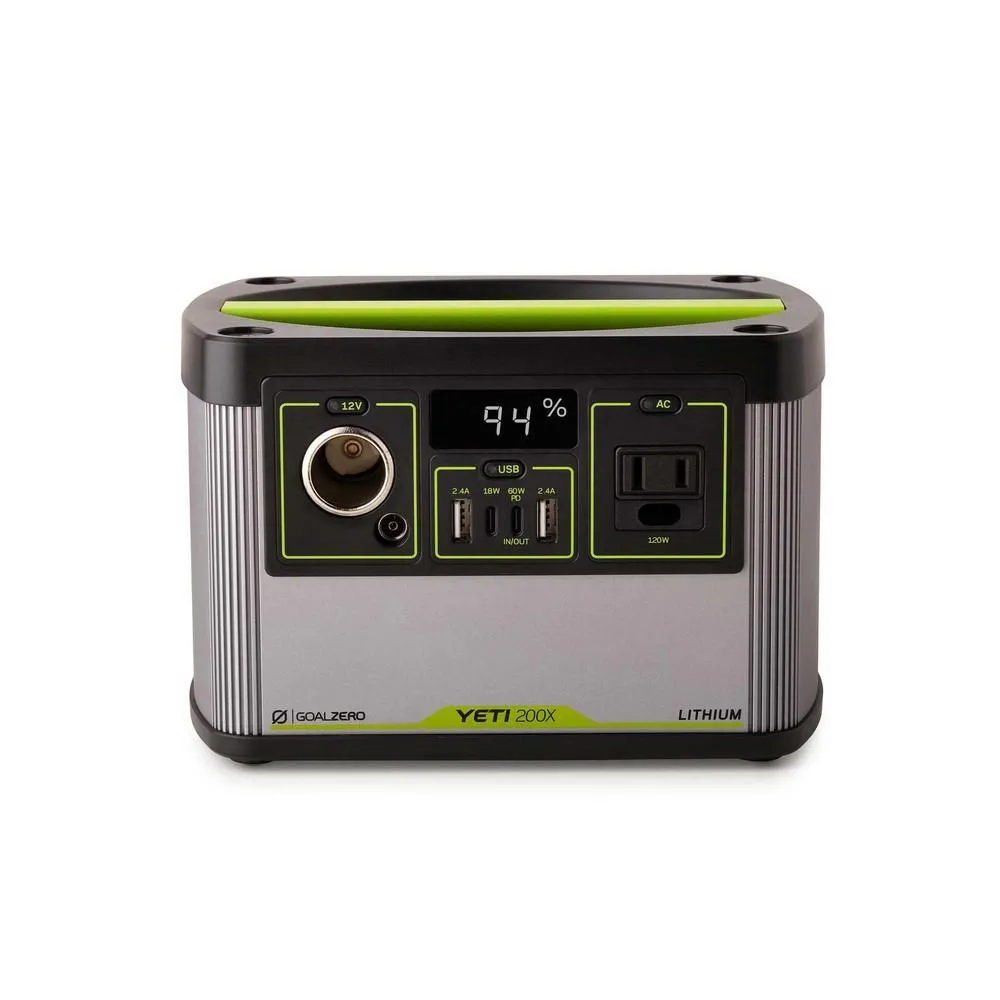 Yeti 500X497 Wh
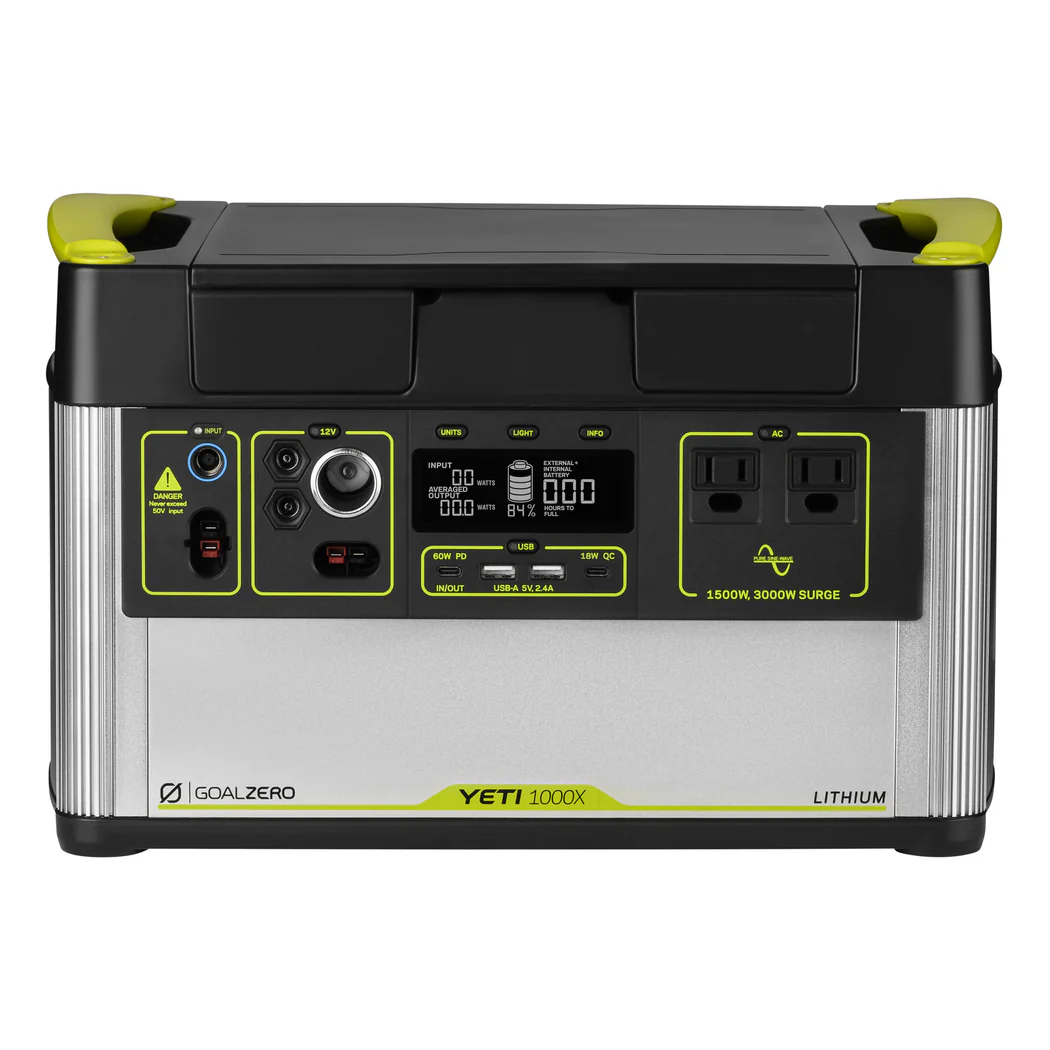
 Yeti 1000X983 Wh
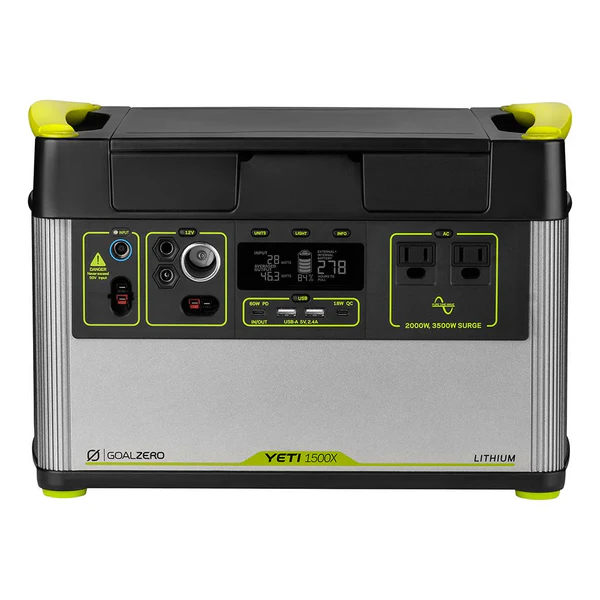
 Yeti 1500X1,516 Wh
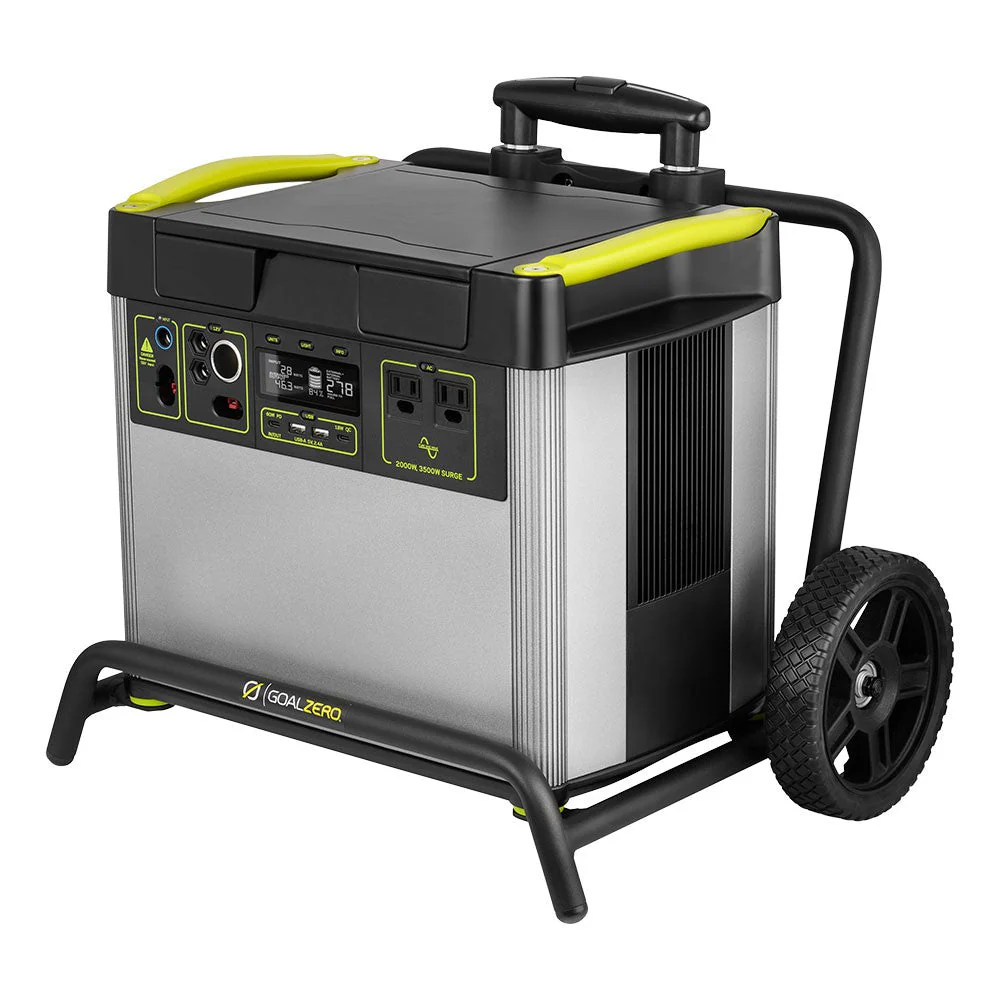
 Yeti 3000X3,032 Wh
 Yeti 6000X6,071 Wh
Yeti297–1,505 Wh
Yeti X187–6,071 Wh
This compares two entire product lines, not two units. Get the line right and the model almost picks itself. Get it wrong and no amount of comparing model numbers will rescue the decision. Already know the two units you're torn between? Compare two products head-to-head
Two lines, two different jobs
Goal Zero Yeti
Power-forwardThe current Yeti line is Goal Zero rebuilt around LiFePO4 cells. Five units, all sealed, all rated for thousands of cycles and covered by a five-year warranty, with fast switchover for sensitive equipment. It’s a deliberately narrow range aimed at people who will use a power station regularly and want it to still be working in a decade.
Goal Zero Yeti X
Runtime-forwardYeti X is the outgoing generation, built on NMC cells. It’s the broader of the two ranges by far — reaching both smaller and very much larger than the current line — and most of it accepts expansion batteries, which the current Yeti doesn’t. What it can’t do is absorb heavy repeated cycling, and that’s a property of the cells rather than a spec that can be tuned.
Are these two lines even competing?
Before asking which is better, it's worth asking whether they overlap at all.
Two generations of one line, so several units map almost directly onto each other — the 1000X and 1500X have near-identical current-generation counterparts.
But whether they’re genuinely comparable depends entirely on how hard you’ll work the unit, and this is the clearest example on the site of comparability being conditional. At ten weekends a year, roughly twenty cycles, a 500-cycle rating is around twenty-five years of service and the difference between the generations is academic. Cycled daily, 500 cycles is about sixteen months, against more than a decade for the current line. Same two units, a non-issue for one reader and decisive for the other.
The short version
There's a real contested band here — 47% of the two ranges, with 2 pairs that genuinely do the same job. Inside that band it's a close call and worth reading carefully. Outside it, these stop being alternatives and start being different tools.
What actually separates them
Five specifications that decide which line fits — and one that doesn't.
Lifespan
A cycle is one full discharge and recharge, and the rating is roughly how many you get before capacity settles to about 80% of new. Chemistry sets this: LiFePO4 cells tolerate repeated deep cycling in a way that the older NMC chemistry doesn’t, which is why the industry moved.
Yeti
4,000
Yeti X
500
An eightfold gap, and the largest difference of any kind between two lines on this site. Translate it before deciding: at daily cycling that’s roughly sixteen months against more than a decade. At a few weekends a year, neither generation will reach its rating in any realistic ownership period. This is the number that decides whether the rest of the page matters.
Warranty
Warranty length is partly commercial and partly a manufacturer's own statement about expected service life — how long they’re prepared to stand behind the cells.
Yeti
5 years
Yeti X
2 years
The current line carries more than double the cover of the X line. Read alongside the cycle ratings, the two figures are telling the same story from different directions, and Goal Zero isn’t being coy about it.
Switchover speed
When utility power drops, a unit with UPS passthrough takes over — but not instantly. Under about 10ms almost nothing notices; slower handovers can make a desktop reboot or a CPAP alarm.
Yeti
20ms
Yeti X
not rated
The current line publishes a fast switchover figure. The X line advertises UPS capability without a rated handover time, which isn’t the same thing — if you’re buying specifically to protect a desktop or a medical device, an unquantified figure should be treated as unknown rather than assumed adequate.
Room to grow
Expandability is whether a unit accepts a second battery later. It separates a finished appliance from the first component of a larger system.
Yeti
0%
Yeti X
67%
The one axis where the outgoing line leads, and it leads clearly: two thirds of Yeti X accepts more battery, where no current Yeti does. If a growable system is the requirement, the current line doesn’t offer one at all — which is a genuine gap rather than a quibble.
Carry weight
Watt-hours per pound is how much energy you get for what you have to lift. NMC cells are inherently more energy-dense than LiFePO4, which is the trade the industry accepted when it switched.
Yeti
28.5 Wh/lb
Yeti X
38.5 Wh/lb
Yeti X is the denser line, and that’s chemistry rather than engineering — it’s the compensation NMC offers for its shorter life. The current Yeti is the least energy-dense line we measure. You carry more per watt-hour to get cells that last far longer.
What each line is good at, and what it isn't
Goal Zero Yeti
Strengths
- Rated for eight times the charge cycles of the X line — LiFePO4 rather than NMC
- More than double the warranty cover
- A published, fast switchover figure for sensitive equipment
- Higher solar intake relative to capacity, so it refills better off-grid
Limits
- No unit in the line accepts a second battery — there’s no growable option at all
- The least energy-dense line we measure, so more weight per watt-hour
- Only five models, none reaching the top of the X line's range
- Nothing in the line replaces the largest X units on capacity
Goal Zero Yeti X
Strengths
- Two thirds of the line accepts an expansion battery, where no current Yeti does
- Substantially more energy per pound — the density NMC buys
- A far broader range, reaching both smaller and very much larger
- Perfectly serviceable for genuinely occasional use, where cycle life never binds
Limits
- Rated for 500 cycles — roughly sixteen months of daily use before meaningful capacity loss
- Less than half the warranty cover of the current line
- UPS capability is advertised without a rated switchover time
- The outgoing generation, and currently unavailable across the entire line
How to read this
A limit isn't a fault — it's a constraint on what a line is built to do. Every line here has them, including whichever one suits you. The useful question is which set of limits you'll never notice.
Where the lines actually collide
Models within 15% of each other on capacity — and whether they're truly interchangeable.
So which one should you buy?
Nobody actually buys a spec sheet. Find the row that sounds most like your life — that's the line we'd point you at, and why.
Daily or near-daily use
This is exactly where 500 cycles becomes sixteen months. The chemistry decides it.
Protecting a desktop or CPAP
The current line publishes a fast switchover figure; the X line doesn’t publish one at all.
A system you want to expand
No current Yeti takes a second battery. This is the one thing the outgoing line does that the new one can’t.
A few weekends a year, nothing critical
At roughly twenty cycles a year the lifespan gap never arrives, and the X line is lighter per watt-hour.
The largest capacity Goal Zero has offered
The current line simply doesn’t reach that far — though check availability before planning around it.
Or start from the job instead
If you already know what you need it to do, these rank models for that job across every brand we track — not just these two lines.
Every model, if you want to see the whole range
Yeti · 5 models
| Model | Wh | W | lb | Exp. |
|---|---|---|---|---|
| Yeti 300 | 297 | 350 | 13.7 | — |
| Yeti 500 | 499 | 500 | 16.1 | — |
| Yeti 700 | 677 | 600 | 20.3 | — |
| Yeti 1000 (6th Gen) | 988 | 2,000 | 35.3 | — |
| Yeti 1500 (6th Gen) | 1,505 | 2,000 | 52.8 | — |
Yeti X · 6 models
| Model | Wh | W | lb | Exp. |
|---|---|---|---|---|
| Yeti 200X | 187 | 120 | 5.0 | — |
| Yeti 500X | 497 | 300 | 12.9 | — |
| Yeti 1000X | 983 | 1,500 | 31.7 | Yes |
| Yeti 1500X | 1,516 | 2,000 | 45.6 | Yes |
| Yeti 3000X | 3,032 | 2,000 | 69.8 | Yes |
| Yeti 6000X | 6,071 | 2,000 | 106.0 | Yes |
Goal Zero Yeti vs Yeti X series FAQs
What is the difference between Goal Zero Yeti and Yeti X?
It’s a change of battery chemistry. Yeti X uses NMC cells rated for around 500 charge cycles on a two-year warranty; the current Yeti line uses LiFePO4 rated for roughly eight times that, on a five-year warranty, with a published fast switchover figure. Yeti X leads in two places: two thirds of it accepts an expansion battery where no current Yeti does, and it’s denser per pound.
Is the Yeti X still worth buying?
It depends entirely on how often you’ll cycle it. At a few weekends a year, roughly twenty cycles, a 500-cycle rating is around twenty-five years and the newer chemistry buys you nothing you’ll live to use. Cycled daily it’s about sixteen months to meaningful capacity loss, and the current line is the only sensible choice. Note also that the whole X line is currently out of stock.
Why does the Yeti X only last 500 cycles?
That’s the NMC chemistry it was built on. NMC packs more energy into a given weight — which is why the X line is the denser of the two — but tolerates far less repeated deep cycling than the LiFePO4 chemistry that replaced it. It’s a property of the cells, not a flaw in a particular unit.
Can I add a battery to the current Goal Zero Yeti?
No. Not one model in the current line accepts an expansion battery, where two thirds of the outgoing X line did. If a growable system is your requirement, Goal Zero's current range doesn’t offer one, and that’s worth knowing before you commit to the brand.
Which current Yeti replaces my Yeti 1000X or 1500X?
The Yeti 1000 (6th Gen) and Yeti 1500 (6th Gen) sit at near-identical capacity to the 1000X and 1500X respectively. Both swap NMC for LiFePO4, so they trade some energy density and the expansion option for roughly eight times the cycle life. The overlap section on this page links each head-to-head.
Figures are generated from our catalog of 146 power stations and refresh with it — line-level values are medians across every model in the line. See how we test and score.