The four-brand showdown · 2026
EcoFlow vs Anker SOLIX vs BLUETTI vs Jackery
Four catalogs, 84 current models, and one question worth asking before any spec: which of these brands deserves your money at the size and feature set you actually need?
4 catalogs, 21 + 17 + 27 + 21 current models, every cross-brand head-to-head between them, and 53 days of twice-daily price captures.

Written by Wenny Zheng, Portable Power Tester·Data as of Sep 8, 2026
What each brand is known for

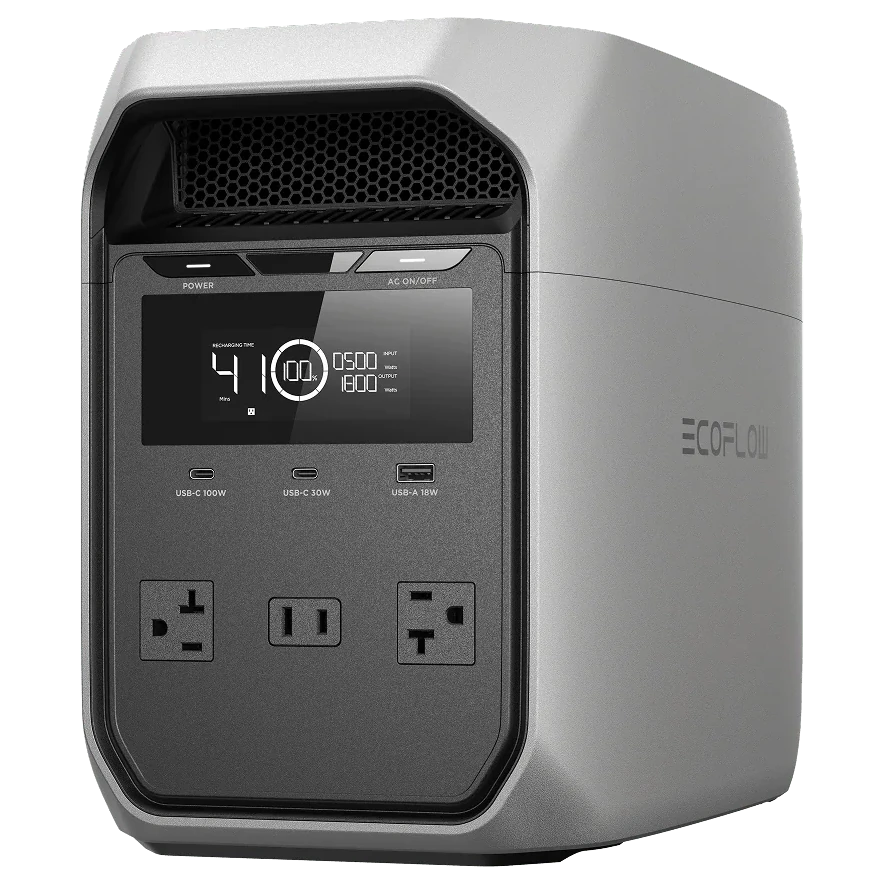
Most-comparedDELTA 3 Classic
EcoFlow turned recharge time into the headline spec: most of its line refills from a wall socket in about an hour, and the catalog stretches from a 230 Wh RIVER to a 12.3 kWh DELTA Pro Ultra, 21 current models with a UPS mode on 100% of them. It reprices in small, frequent steps rather than big sales, so the median unit spent 1% of our capture window under its typical price.
Owners on YouTube praise its runtime and charging speed and knock its availability and durability.
- 21
- models
- $0.56
- median per Wh
- 230 Wh – 12.3 kWh
- unit range

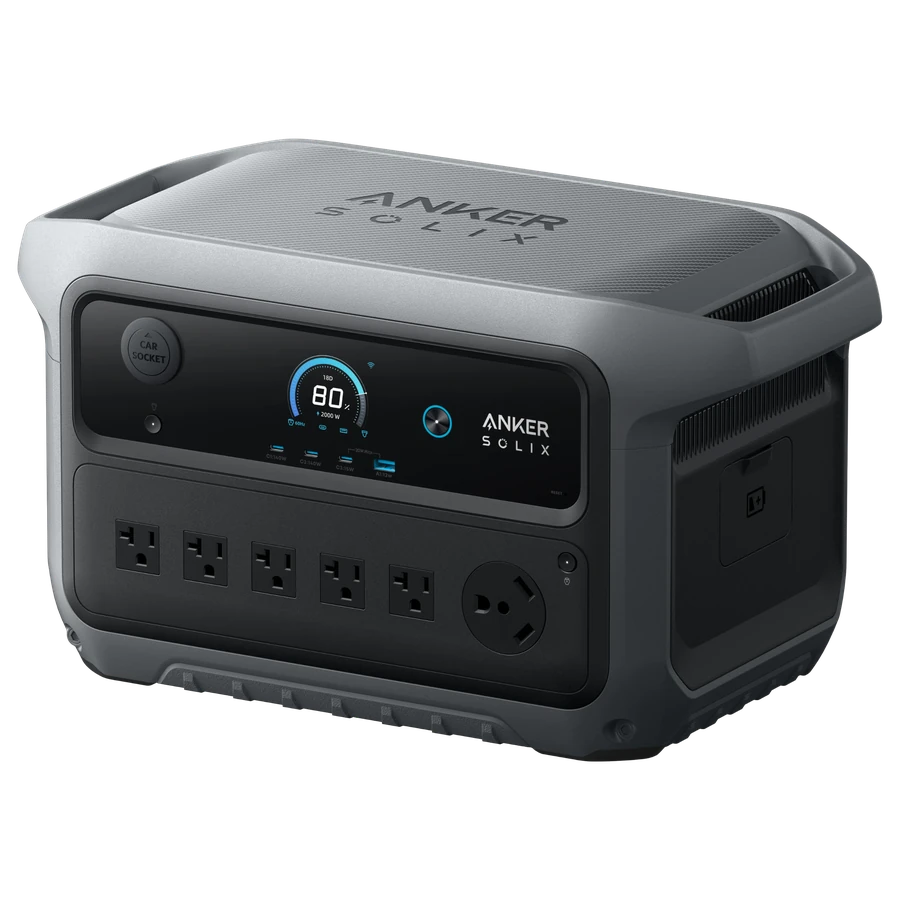
Most-comparedSOLIX C2000 Gen 2
Anker SOLIX is the power-station arm of the company that made the charger in your bag, and it arrived building upward: 17 current models that top out at 6.1 kWh as a single unit and 61.4 kWh as a home stack, LFP cells across 100% of the line, and a 10-year design-life claim with a 5-year warranty behind the median unit. The software side shows the parentage too: app control on 94% of the units and a UPS mode on 82%.
Owners on YouTube praise its runtime and weight and knock its idle drain and inverter output.
- 17
- models
- $0.59
- median per Wh
- 192 Wh – 6.1 kWh
- unit range

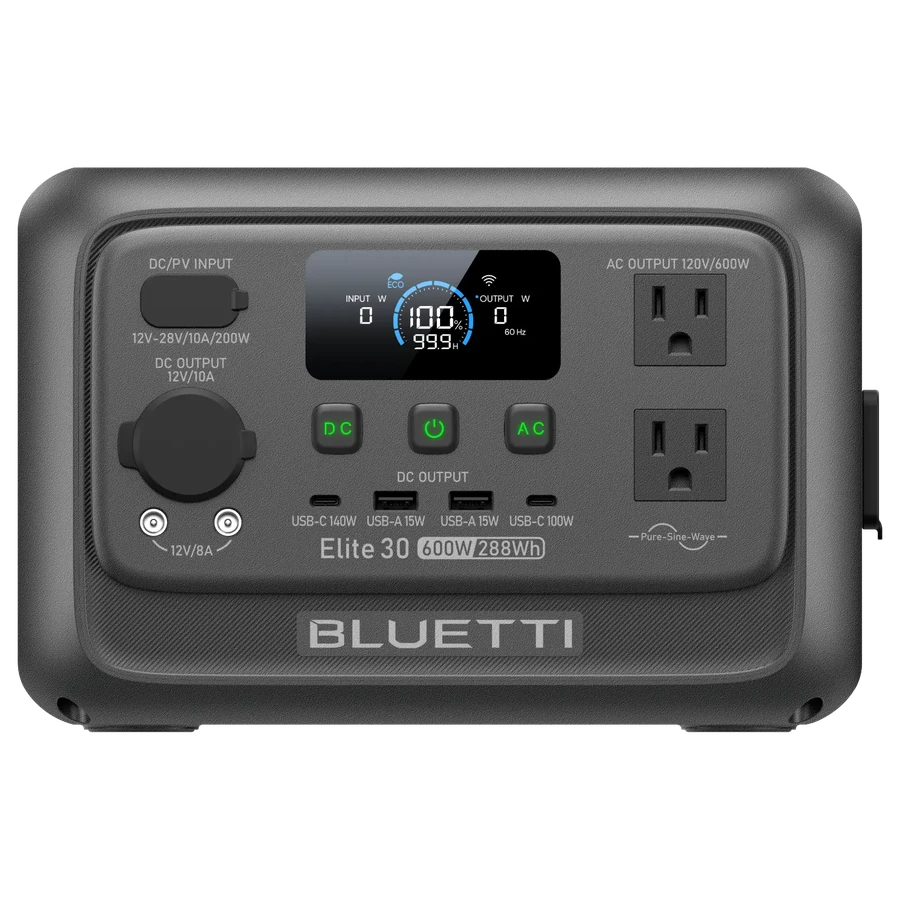
Most-comparedElite 30 V2
BLUETTI built its reputation on the big box in the garage: LFP cells before they were standard, batteries that stack (its systems reach 39.7 kWh), and a catalog that now runs 27 current models, from a 128 Wh pocket unit to 5.1 kWh in a single chassis. The newer Elite 200 V2 and Elite 300 carry 6,000-cycle ratings, and the brand sells on events rather than drift: prices hold, then a sale cuts deep.
Owners on YouTube praise its value and runtime and knock its availability and fan noise.
- 27
- models
- $0.58
- median per Wh
- 128 Wh – 5.1 kWh
- unit range

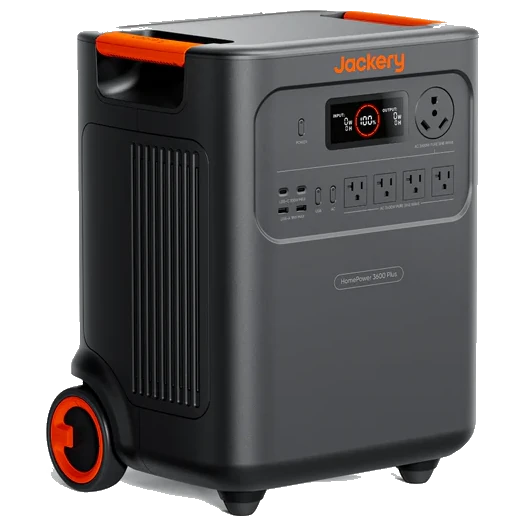
Most-comparedHomePower 3600 Plus
Jackery made the power station a piece of camping gear, and the Explorer line still reads that way: the median unit carries 45.0 watt-hours per pound, and the range runs from 288 Wh to 10.1 kWh across 21 current models. Its cells are rated for 4,000 cycles on the median model, and it is rarely sold at list: the median unit sat below its typical price for 8% of our capture window.
Owners on YouTube praise its weight and runtime and knock its the app and durability.
- 21
- models
- $0.62
- median per Wh
- 288 Wh – 10.1 kWh
- unit range
The scoreboard
No single winner. Pick your size first, then it is a two-brand race.
Four catalogs, four different bets: EcoFlow on breadth and value, Anker SOLIX on engineering ratios, BLUETTI on volume and discounts, Jackery on weight and cell life. The table below shows who leads what at each size.
Widest catalog and the cheapest watt-hour at the small end; wins 59% of the model-against-model comparisons we have written against these three rivals, the most of the four.
The engineering pick from 500 Wh to 5 kWh, with the most inverter and solar per watt-hour; rarely discounts, so a deep cut is a buy.
Most models, the tallest expansion ceiling and the hardest discounter; lowest win share here at 40%, partly because it plays the most games.
Lightest per watt-hour with 4,000-cycle cells across most of the line; the dearest watt-hour on paper and the most repriced in practice.
At your size, who leads on…
| Size | Price per Wh | Weight | Inverter | Solar input |
|---|---|---|---|---|
| Under 500 Wh4 · 4 · 5 · 3 models | | | | |
| 500–1,000 Wh3 · 3 · 4 · 3 models | even | | | |
| 1–2 kWh5 · 3 · 7 · 6 models | even | | | |
| 2–5 kWh7 · 6 · 9 · 7 models | | | even | even |
| 5 kWh and up2 · 1 · 2 · 2 models | even | thin | | |
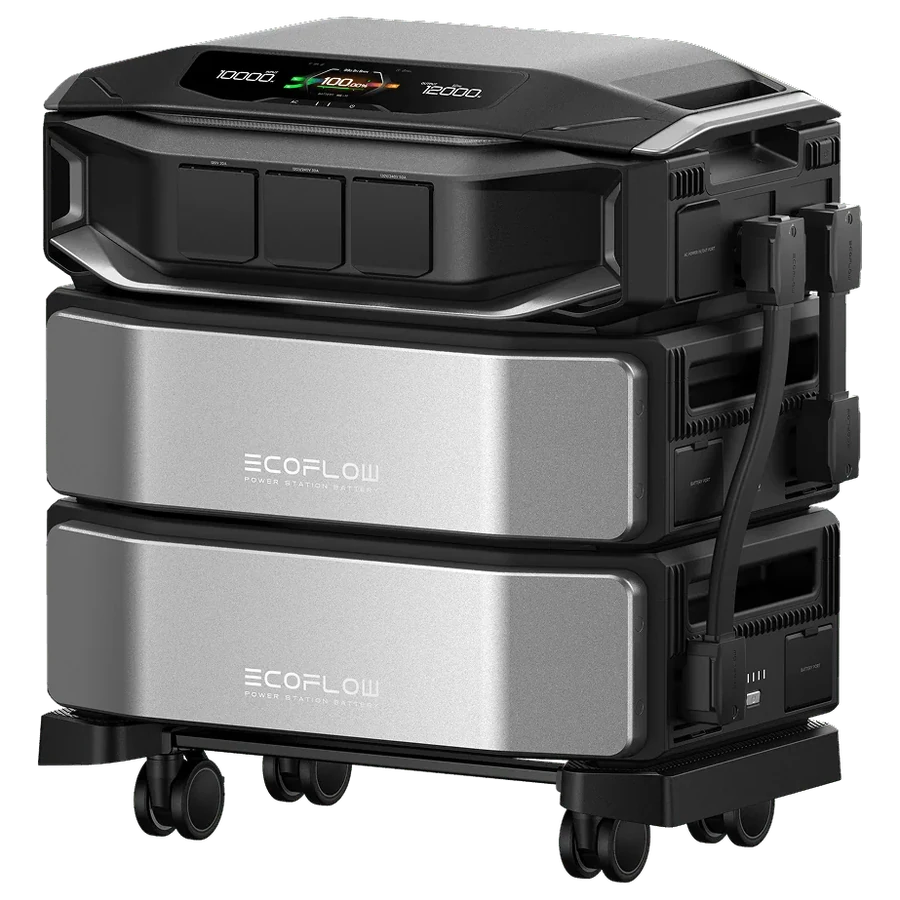
DELTA Pro Ultra X
$7,999 typical
Whole-home tier: EcoFlow's DELTA Pro Ultra X tops the home backup bench across all 4 catalogs.
Check today’s price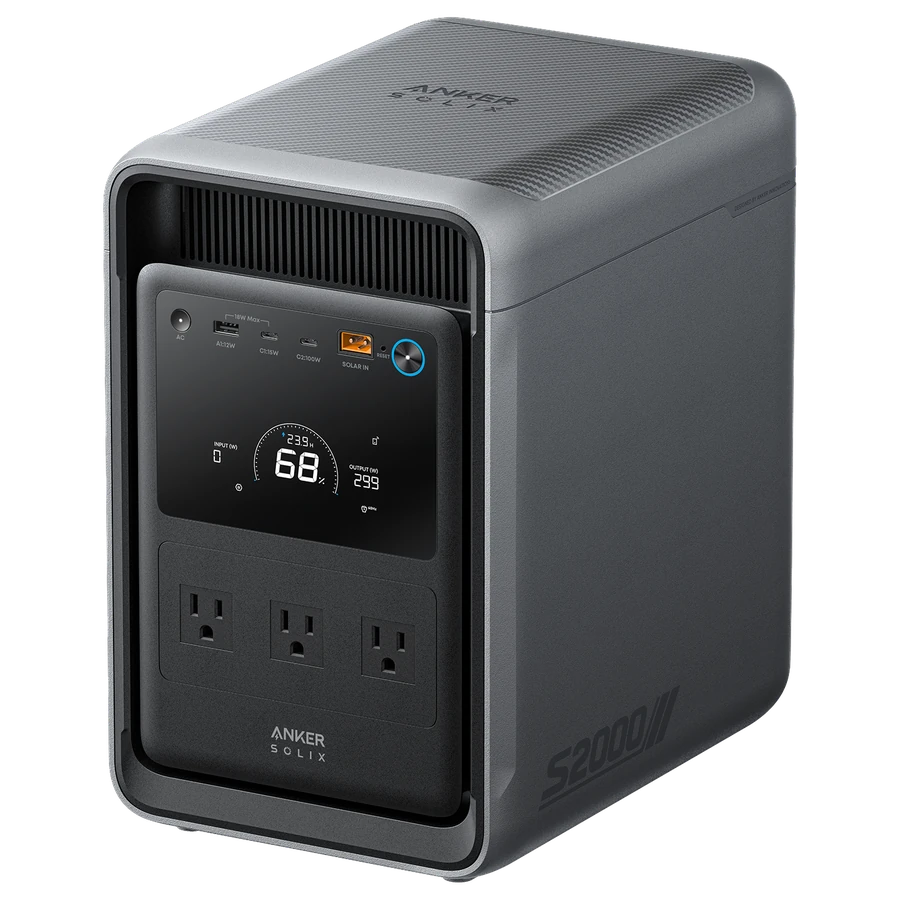
SOLIX S2000
On Amazon
Take-along tier: Anker SOLIX's SOLIX S2000 tops the camping and overlanding bench across all 4 catalogs.
Check today’s price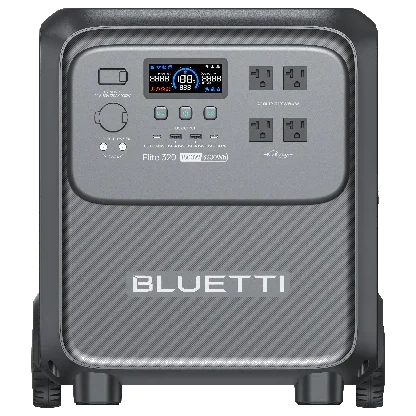
Elite 320
$936 · 15% under typical
Largest live discount against its typical price across all of them, rechecked at every build.
Check today’s priceFind your unit
Ranked on the same benches as our buying guides · live prices
Size you need
What it is for
What matters most
- Top pick
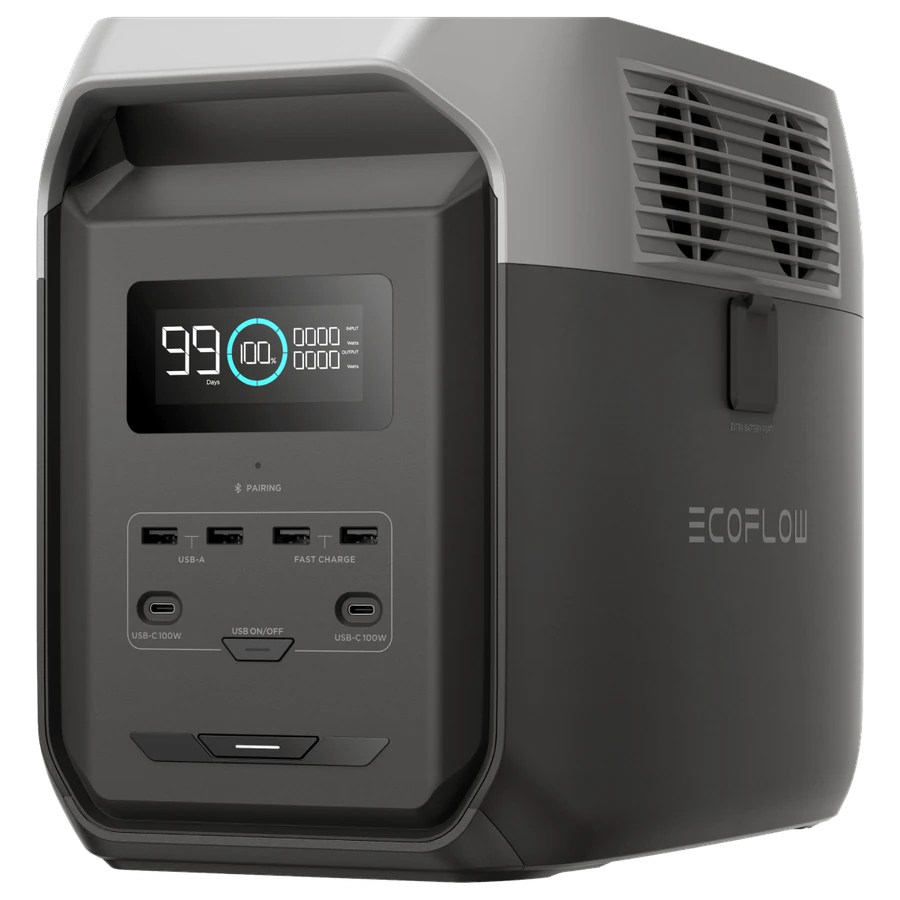
$599 · $0.39/Wh
1.5 kWh · 1,800 W · 36 lb · 500 W solar
- Lowest $/Wh at this size
- #2
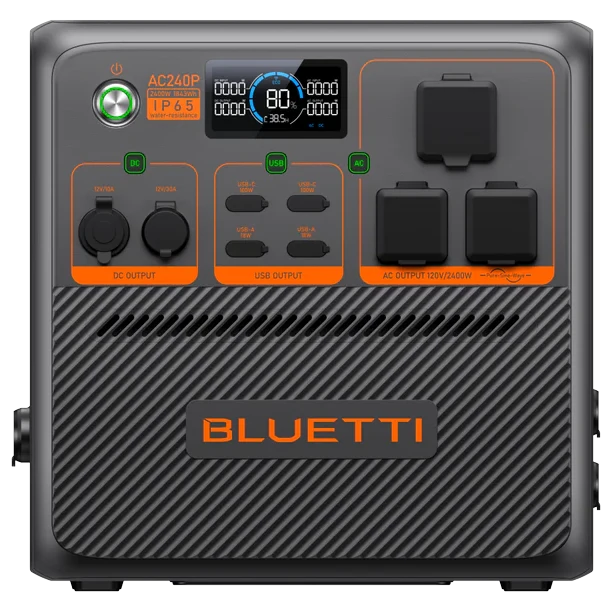
$1,462 · $0.79/Wh
1.8 kWh · 2,400 W · 72 lb · 1200 W solar
- #3
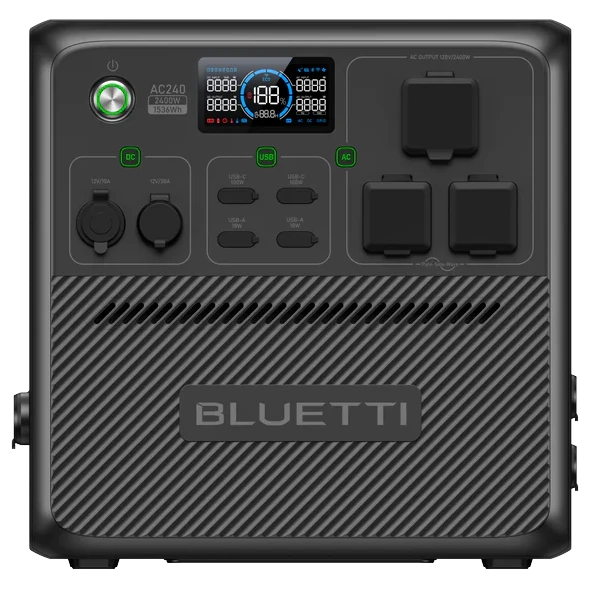
$999 · $0.65/Wh
1.5 kWh · 2,400 W · 72 lb · 1200 W solar
Full head-to-head: DELTA 3 1500 vs AC240P →Compare these 3 in the comparison tool →
02 · Decision map
Who wins where
One row per capacity band, one column per criterion, and a leader called only where a brand has at least two current models and beats the runner-up by 5% or more. With 4 brands the leader changes column to column, which is the point: at your size the choice is usually between two of them.
| Capacity band | Models | Price per Whlower is better | Wh per lb | Inverter W per Wh | Solar W per kWh | Warranty | Rated cycles |
|---|---|---|---|---|---|---|---|
| Under 500 WhBest value here Jackery Explorer 300D · $249 |
|
|
|
|
| even
|
|
| 500–1,000 WhBest value here EcoFlow RIVER 2 Pro · $349 |
| even
|
|
|
| even
| even
|
| 1–2 kWhBest value here EcoFlow DELTA 3 1500 · $599 |
| even
|
|
|
| even
| even
|
| 2–5 kWhBest value here BLUETTI Elite 320 · $936 |
|
|
| even
| even
| even
| even
|
| 5 kWh and upBest value here BLUETTI EP500 · $2,999 |
| even
| thin
|
|
|
|
|
Medians of current units per band on typical prices, the price each unit sat at most often in the last 90 days. A leader needs at least two models and a 5% gap over the runner-up; "·1" marks a single-model figure that cannot lead.
03 · Verdict by use case
Which brand for what
Bench leaders among the 4 catalogs' current units, on the same PowerScore benches that rank our buying guides.
Home backup
Bench leader:
DELTA Pro Ultra X
score 12,831 · #1/56 · 12.3 kWh
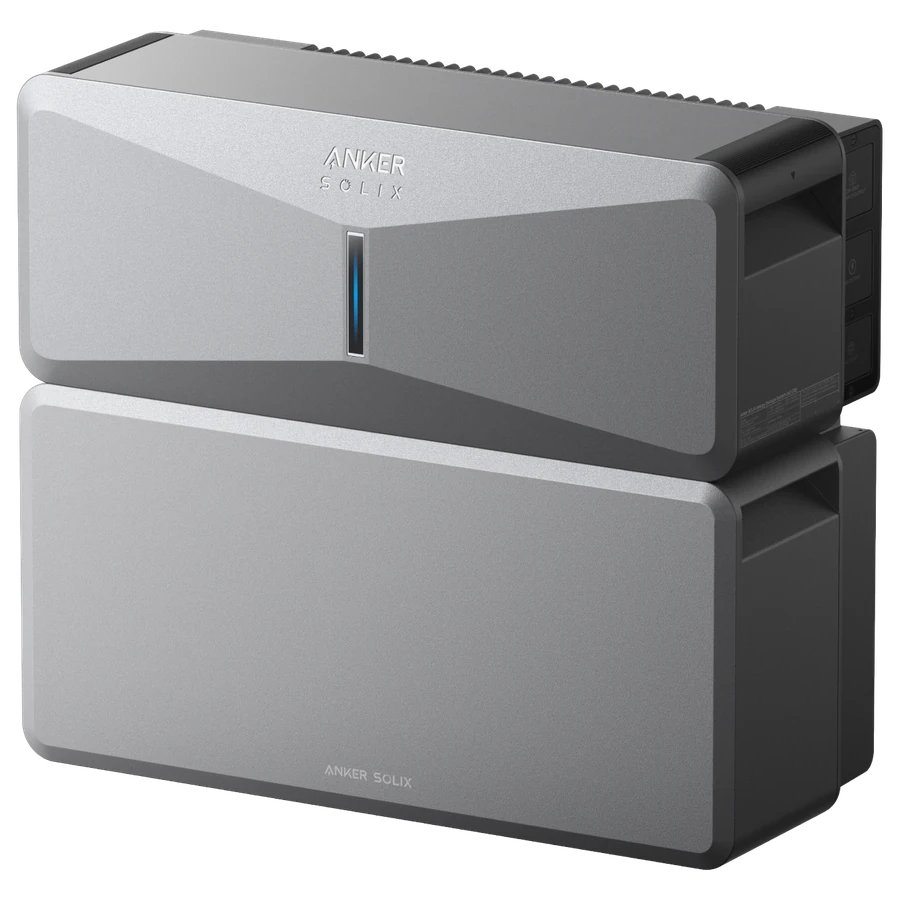
SOLIX E10
score 7,739 · #4/56 · 6.1 kWh
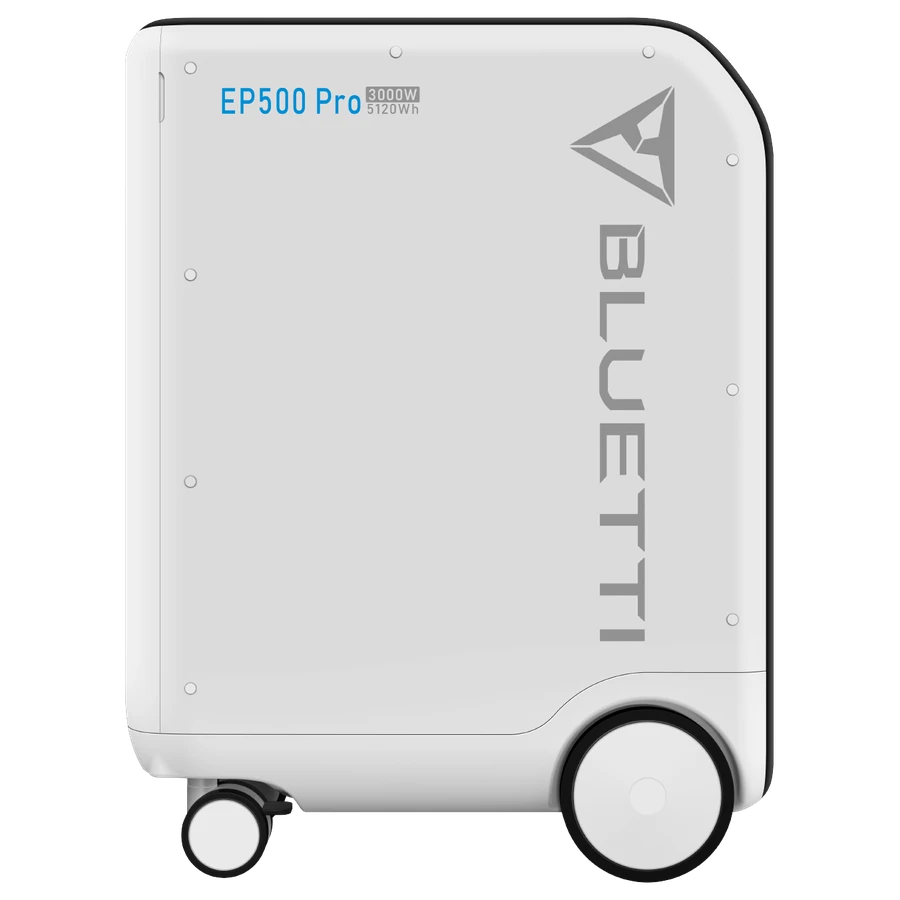
EP500Pro
score 5,074 · #11/56 · 5.1 kWh
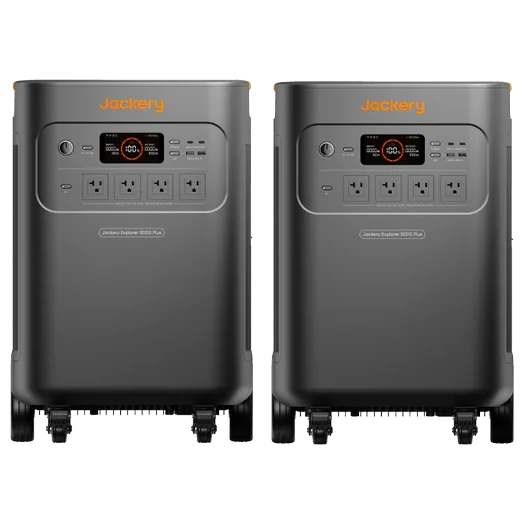
Explorer 5000 Plus Double Kit
score 12,030 · #2/56 · 10.1 kWh
EcoFlow's DELTA Pro Ultra X leads, Anker SOLIX's SOLIX E10 at #4, BLUETTI's EP500Pro at #11 and Jackery's Explorer 5000 Plus Double Kit at #2. Capacity, inverter headroom and an expansion path decide this bench, so whole-home platforms lead it.
Camping and overlanding
Bench leader:
DELTA 3 1500
score 3,115 · #5/49 · 1.5 kWh
SOLIX S2000
score 3,954 · #1/49 · 2 kWh
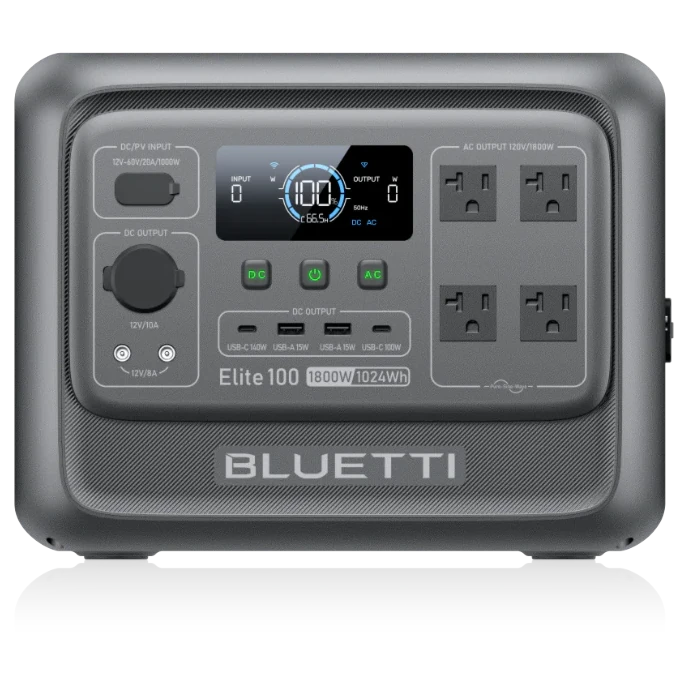
Elite 100 V2
score 2,937 · #7/49 · 1 kWh
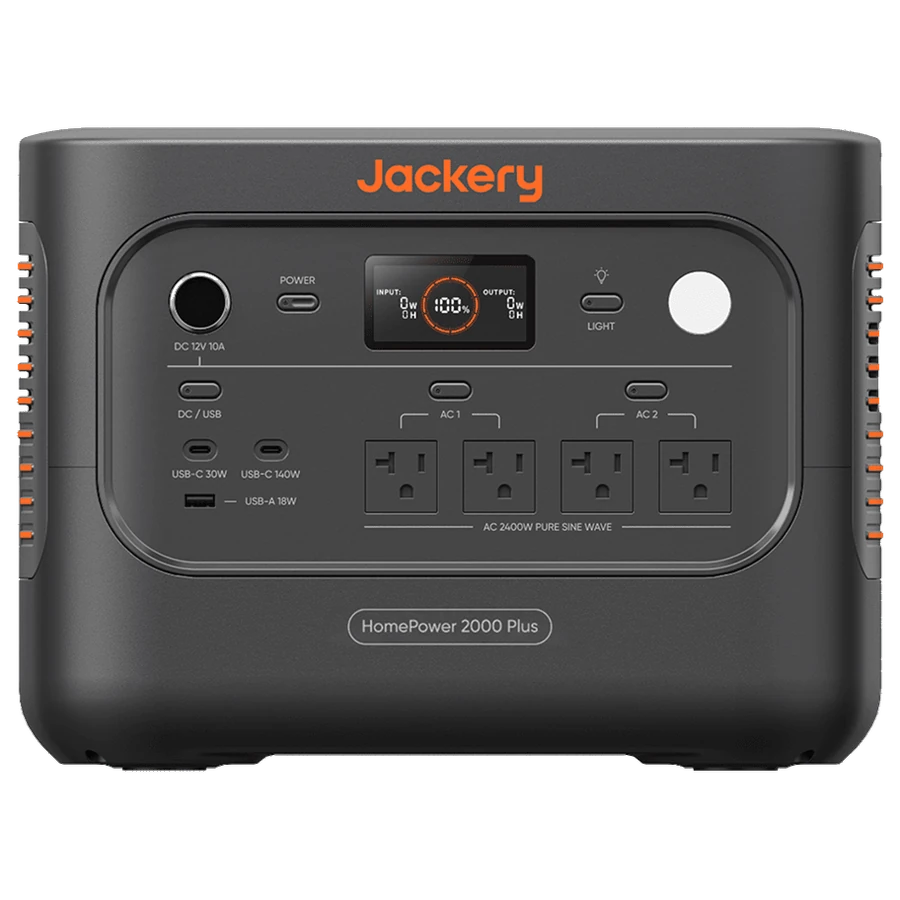
HomePower 2000 Plus v2
score 3,489 · #2/49 · 2 kWh
Anker SOLIX's SOLIX S2000 leads, EcoFlow's DELTA 3 1500 at #5, BLUETTI's Elite 100 V2 at #7 and Jackery's HomePower 2000 Plus v2 at #2. Weight is capped and usable watt-hours per pound rewarded, so mid-size units can beat bigger ones.
RV and van life
Bench leader:
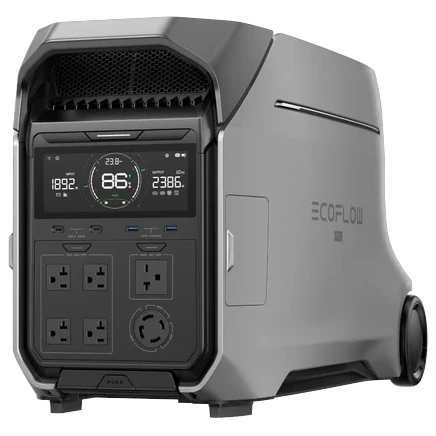
DELTA Pro 3
score 5,124 · #3/46 · 4.1 kWh
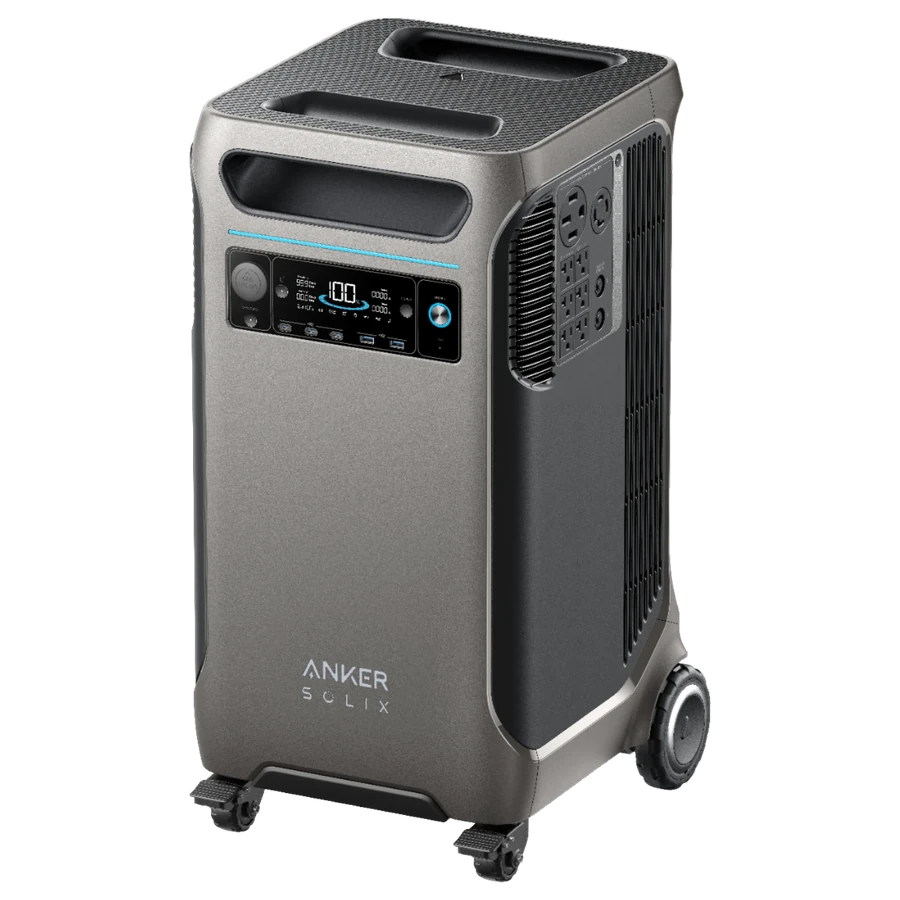
SOLIX F3800 PLUS
score 5,694 · #1/46 · 3.8 kWh
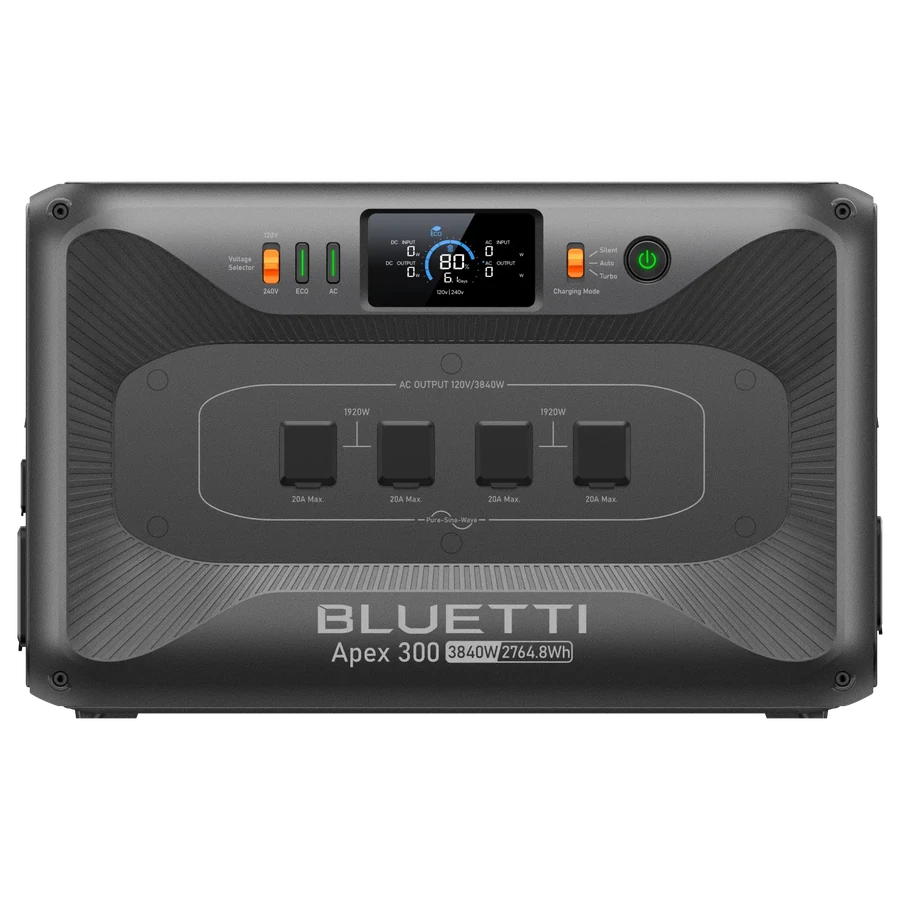
Apex 300
score 4,731 · #6/46 · 2.8 kWh
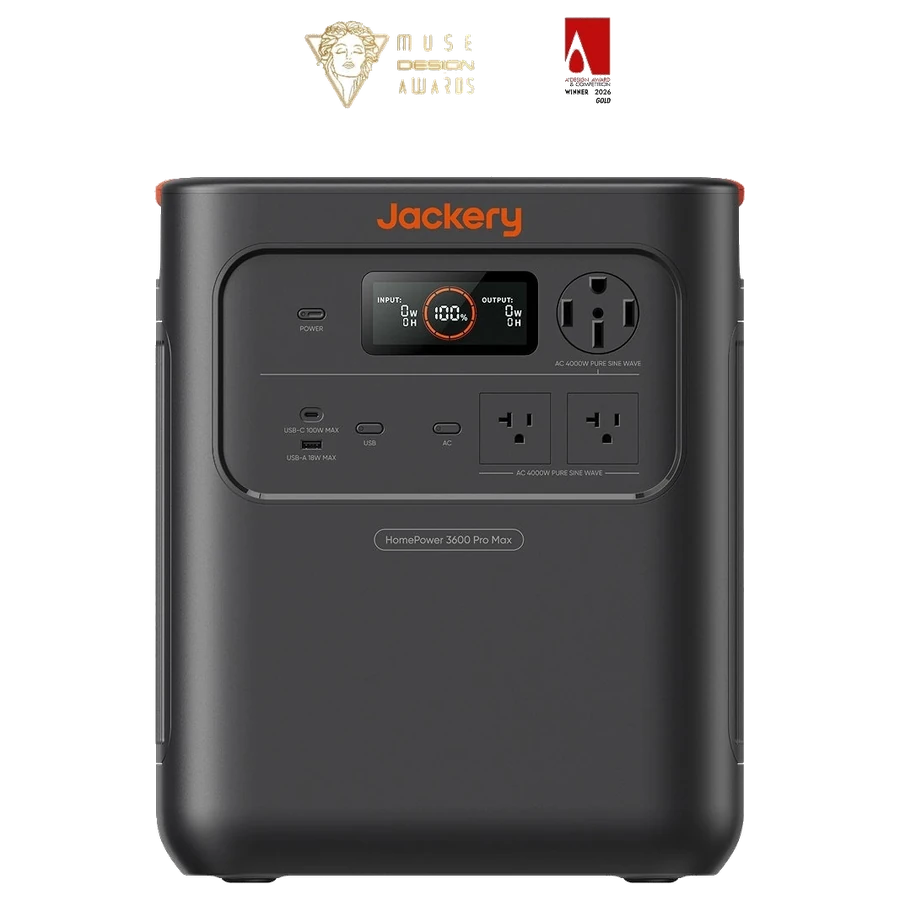
HomePower 3600 Pro Max
score 5,088 · #4/46 · 3.6 kWh
Anker SOLIX's SOLIX F3800 PLUS leads, EcoFlow's DELTA Pro 3 at #3, BLUETTI's Apex 300 at #6 and Jackery's HomePower 3600 Pro Max at #4. Inverter headroom, 30A-class output and expansion decide it.
CPAP
Bench leader:
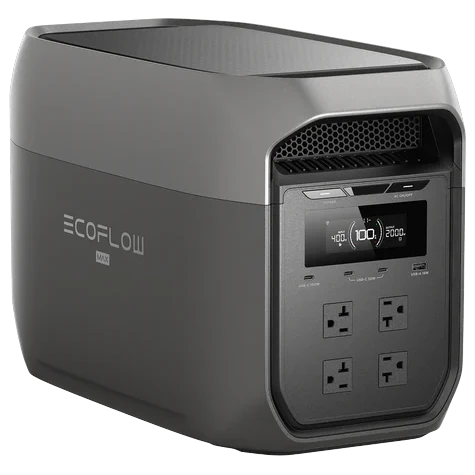
DELTA 3 Max
score 3,933 · #5/50 · 2 kWh
SOLIX S2000
score 4,891 · #1/50 · 2 kWh
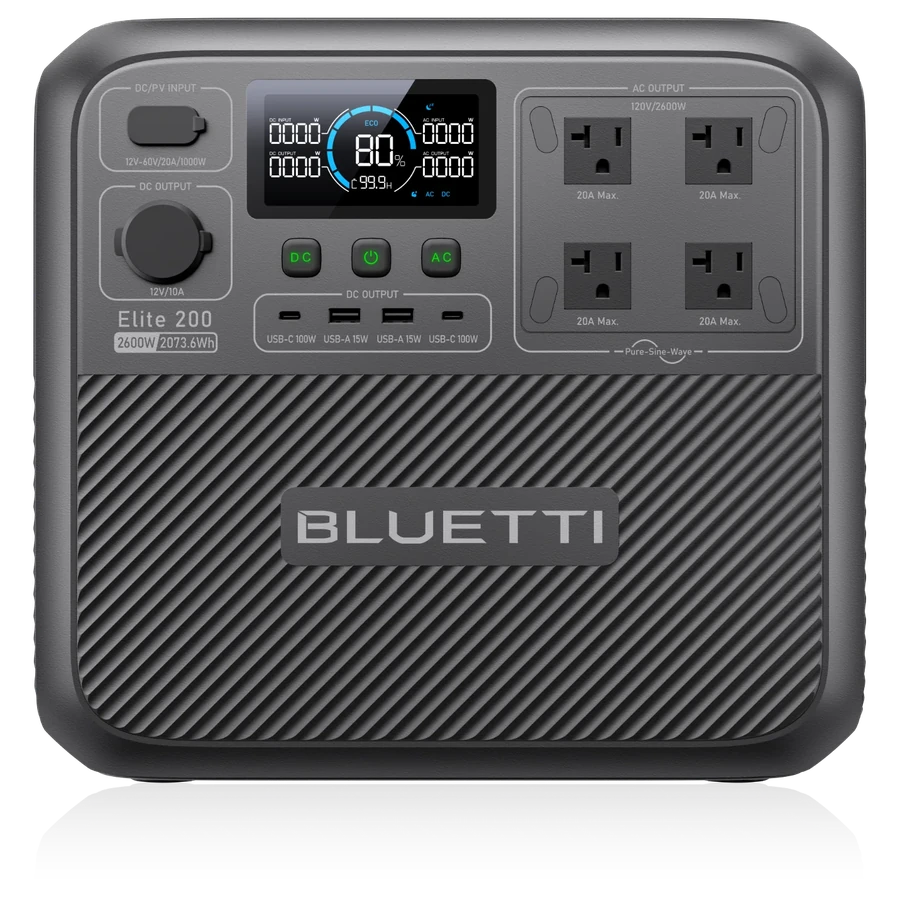
Elite 200 V2
score 4,334 · #2/50 · 2.1 kWh
HomePower 2000 Plus v2
score 4,164 · #3/50 · 2 kWh
Anker SOLIX's SOLIX S2000 leads, EcoFlow's DELTA 3 Max at #5, BLUETTI's Elite 200 V2 at #2 and Jackery's HomePower 2000 Plus v2 at #3. Usable watt-hours per dollar with a quiet-running bonus; the CPAP guide ranks lighter travel units.
Starlink and off-grid work
Bench leader:
DELTA Pro Ultra X
score 13,449 · #1/72 · 12.3 kWh
SOLIX E10
score 8,738 · #3/72 · 6.1 kWh
EP500Pro
score 5,377 · #7/72 · 5.1 kWh
Explorer 5000 Plus Double Kit
score 11,853 · #2/72 · 10.1 kWh
EcoFlow's DELTA Pro Ultra X leads, Anker SOLIX's SOLIX E10 at #3, BLUETTI's EP500Pro at #7 and Jackery's Explorer 5000 Plus Double Kit at #2. Capacity and solar input decide it, so stationary systems lead; the Starlink guide ranks portable options.
Solar generator
Bench leader:
DELTA Pro 3
score 4,456 · #5/66 · 4.1 kWh
SOLIX F3800 PLUS
score 5,073 · #2/66 · 3.8 kWh
Apex 300
score 4,442 · #7/66 · 2.8 kWh
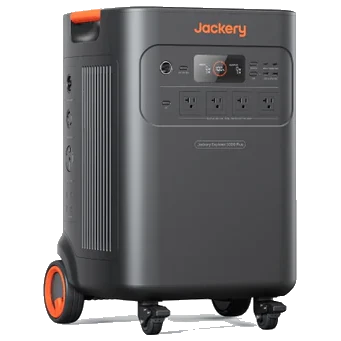
Explorer 5000 Plus
score 6,174 · #1/66 · 5 kWh
Jackery's Explorer 5000 Plus leads, EcoFlow's DELTA Pro 3 at #5, Anker SOLIX's SOLIX F3800 PLUS at #2 and BLUETTI's Apex 300 at #7. Solar input per watt-hour of storage plus the MPPT ceiling.
04 · Voices
Owners, our test desk, and the people searching
Owner claims from 12 independent YouTube channels, attributed to the brand each is about: 1,652 for EcoFlow, 674 for Anker SOLIX, 1,088 for BLUETTI and 723 for Jackery. Then our own verdict lines and the questions buyers asked under the reviews.
Owner sentiment by topic · YouTube comments
1,652 claims · 54% positive- Price and value
- Durability and failures
- Warranty and support
- Solar input
- Charging speed
- App and firmware
- Capacity and runtime
- Build quality
- Expandability
- UPS switchover
- Noise
- Idle drain
674 claims · 56% positive- Price and value
- Durability and failures
- Warranty and support
- Solar input
- Charging speed
- App and firmware
- Capacity and runtime
- Build quality
- Expandability
- UPS switchover
- Noise
- Idle drain
1,088 claims · 49% positive- Price and value
- Durability and failures
- Warranty and support
- Solar input
- Charging speed
- App and firmware
- Capacity and runtime
- Build quality
- Expandability
- UPS switchover
- Noise
- Idle drain
723 claims · 43% positive- Price and value
- Durability and failures
- Warranty and support
- Solar input
- Charging speed
- App and firmware
- Capacity and runtime
- Build quality
- Expandability
- UPS switchover
- Noise
- Idle drain
Bars count paraphrased claims; a claim is what a commenter said, not a verified fact.
From the test desk
“Same $209, same warranty, same 30dB noise floor — but at that identical price, capacity and speed go to the Elite 30 V2 while weather resistance goes to the RIVER 3, which carries an IP54 rating the Elite 30 simply doesn't have.”
Wenny Zheng
EcoFlow RIVER 3 vs BLUETTI Elite 30 V2 →“Pay $531 more today for the SOLIX C2000 Gen 2, and it pays you back: a lower cost per lifetime kilowatt-hour than the DELTA 3 Classic, plus the only one of these two units that actually clears an 8-hour blackout.”

Ian Schneider
EcoFlow DELTA 3 Classic vs Anker SOLIX C2000 Gen 2 →“The battery is identical either way; $99 buys the EcoFlow 2,000W more surge and 200W more solar, and that's now a cheap enough ask that only a weight- or laptop-focused buyer should take the Anker instead.”

Gunner Gustafson
EcoFlow DELTA 3 Max Plus vs Anker SOLIX C2000 Gen 2 →“Same 1,024Wh in both boxes and $220 between them — the C1000 Gen 2 spends that gap on more output, more solar, and a longer-lived cell, but the cheaper DELTA 3 Classic banks the same energy for less per lifetime kilowatt-hour.”
Ian Schneider
EcoFlow DELTA 3 Classic vs Anker SOLIX C1000 Gen 2 →“With the same cost per watt-hour, the same five-year warranty and the same 30 dBA between them, this comes down to what the inverter will start and how fast the sun refills it — and the DELTA 3 Classic takes both at $469 against $499.”
“The Elite 300 is $100 cheaper and rated to outlive the HomePower by 2,000 cycles, but the Jackery hits back with 50% more output — 3,600W to 2,400W — so this is longevity and value against raw power.”
Gunner Gustafson
BLUETTI Elite 300 vs Jackery HomePower 3000 →
05 · Price behavior
How each brand moves its prices
From 23,158 captures of every current model between 2026-07-17 and 2026-09-07. A drop or rise is a change between consecutive captures; the typical price is the price a unit keeps returning to.
Drops
20
Rises
36
Med. drop
7.1%
Deepest under typical: RIVER 3 MAX 27.3% · DELTA Pro 15.8%
When to buy20 drops in 53 days: reprices constantly. Wait for the deep cuts, like the RIVER 3 MAX at 27.3% under typical price.
Drops
3
Rises
14
Med. drop
9.1%
Deepest under typical: SOLIX C300 10% · SOLIX F2600 9.1%
When to buy3 drops in 53 days: holds price, then moves it. A unit well under typical price is the exception; take it (deepest seen: SOLIX C300, 10.0%).
Drops
41
Rises
39
Med. drop
14.9%
Deepest under typical: AC50B 30.1% · Elite 320 14.9%
When to buy41 drops in 53 days: reprices constantly. Wait for the deep cuts, like the AC50B at 30.1% under typical price.
Drops
43
Rises
58
Med. drop
10%
Deepest under typical: Explorer 300 27% · Explorer 1500 v2 17.7%
When to buy43 drops in 53 days: reprices constantly. Wait for the deep cuts, like the Explorer 300 at 27.0% under typical price.
06 · Head-to-head record
811 head-to-heads, scored pairwise
Every head-to-head we have written between these brands, counted pairwise. A head-to-head is one model against one model, written up in full with a winner and a confidence score. Each has a winner and a confidence score; the pairwise table links to the two-brand page with the full ledger.
Points table · our head-to-heads
- 253 of 428 · 59%
- 192 of 372 · 52%
- 142 of 320 · 44%
- 201 of 502 · 40%
Win share across every cross-brand head-to-head inside this group. A larger catalog plays more games; the share, not the points, is the comparable figure.
Owners and our verdicts do not always agree pair by pair. Where they differ, read theirs as the lived-with view and ours as the buy-today view.
07 · Ecosystem and lock-in
What you commit to with the first purchase
Expansion batteries never cross brands, so the second purchase is decided by the first. These are the terms on each side as the catalogs stand today.
Expandable
UPS mode
App control
LFP
Expandable
UPS mode
App control
LFP
Expandable
UPS mode
App control
LFP
Expandable
UPS mode
App control
LFP
| Term | | | | |
|---|---|---|---|---|
| Models that accept expansion batteries Good to knowNon-expandable units — EcoFlow: DELTA 3 Ultra, RIVER 2 Pro, RIVER 2 Max and 3 more; Anker SOLIX: SOLIX C800 Plus, SOLIX C300, SOLIX C300 DC and 6 more; BLUETTI: Premium 200 V2, AC180P, AC70P and 16 more; Jackery: HomePower 3000, Explorer 2000 v2, Explorer 1500 Ultra and 10 more. Not expanding is only a con if you would have expanded. | 15 of 21 | 8 of 17 | 8 of 27 | 8 of 21 |
| Largest system each brand sells Good to knowThe big ceilings are installs, not things you carry; compare them only if you are building a stack. | 18.4 kWh | 61.4 kWh | 39.7 kWh | 10.1 kWh |
| Cost per added watt-hour when expanding Good to knowQuoted only where our catalog prices the packs as SKUs; an expansion watt-hour costs well under a base watt-hour wherever it is priced. | $0.30 per Wh added | $0.33 per Wh added | $0.34 per Wh added | not priced |
| Models with a UPS mode Good to knowUnits without one — EcoFlow: none; Anker SOLIX: SOLIX C300 DC, SOLIX C200 DC, 535 PowerHouse; BLUETTI: AC200MAX; Jackery: Explorer 500, Explorer 300D, Explorer 300. A listed switchover figure is a spec, not a test. | 21 of 21 · 12 at ≤10 ms | 14 of 17 · 6 at ≤10 ms | 26 of 27 · 8 at ≤10 ms | 18 of 21 · 5 at ≤10 ms |
| Models with app control Good to knowApp quality is an owner-sentiment topic in the Voices bars; this row only counts whether an app exists. | 100% | 94% | 100% | 86% |
| Warranty Good to knowMedians hide outliers; each two-brand page lists them by name. | 5 yr median | 5 yr median | 5 yr median | 5 yr median |
| LFP chemistry Good to knowStill on older chemistry — EcoFlow: none; Anker SOLIX: none; BLUETTI: Pioneer Na; Jackery: Explorer 500, Explorer 300. | 100% LFP | 100% LFP | 96% LFP | 91% LFP |
| Rated cycle life Good to knowRated cycles are the maker’s claim to 80% capacity, not a test result. | 3,000 median | 3,000 median | 3,500 median | 4,000 median |
08 · Catalog density
Where each brand actually has models
Every dot is one current unit; configurations and retired units are excluded. The bars count models per capacity band.
Price per watt-hour · typical price, lower is better
21$0.5617$0.5927$0.5821$0.62Watt-hours per pound · portable units only, higher is better
1838.31436.72533.01945.0Models per capacity band · current units, configurations excluded
| Under 500 Wh | 500–1,000 Wh | 1–2 kWh | 2–5 kWh | 5 kWh and up | |
|---|---|---|---|---|---|
| 4 | 3 | 5 | 7 | 2 |
| 4 | 3 | 3 | 6 | 1 |
| 5 | 4 | 7 | 9 | 2 |
| 3 | 3 | 6 | 7 | 2 |
Catalog notes
EcoFlow: 21 units from 230 Wh to 12.3 kWh, median $0.56 per watt-hour.
Anker SOLIX: 17 units from 192 Wh to 6.1 kWh, median $0.59 per watt-hour.
BLUETTI: 27 units from 128 Wh to 5.1 kWh, median $0.58 per watt-hour.
Jackery: 21 units from 288 Wh to 10.1 kWh, median $0.62 per watt-hour.
09 · Claims, checked
What the internet says, against the catalog
- PSA Partly True
“EcoFlow is the cheapest brand per watt-hour.”
Overall medians on typical price prices: EcoFlow $0.56, BLUETTI $0.58, Anker SOLIX $0.59 and Jackery $0.62. Band by band the decision map shows where the order changes.
- PSA Verified
“Jackery rates its batteries for the most cycles.”
Median rated cycles: Jackery 4,000, BLUETTI 3,500, EcoFlow 3,000 and Anker SOLIX 3,000. Ratings are the makers' figures to 80% capacity.
- PSA Partly True
“All four brands are all-LFP now.”
LFP share of current units: EcoFlow 100%, Anker SOLIX 100%, BLUETTI 96% and Jackery 91%.
- PSA Verified
“Jackery makes the lightest units for their capacity.”
Median watt-hours per pound among portable units: Jackery 45.0, EcoFlow 38.3, Anker SOLIX 36.7 and BLUETTI 33.0.
- PSA Partly True
“Every unit from these brands has a UPS mode.”
Share of current units listing a UPS mode: EcoFlow 100%, Anker SOLIX 82%, BLUETTI 96% and Jackery 86%.
- PSA Verified
- matches the maker’s own documentation or our catalog
- PSA Partly True
- true in some bands or cases, not as a rule
- PSA Not Supported
- the numbers we hold do not back it
10 · Lifecycle
Retired this year, and what replaces it
Models that left each brand’s own store this year, with the successor we link instead. Release dates are held back on purpose.
Retired 3: DELTA 3 1000 Air → DELTA 3 Classic, RIVER 3 MAX PLUS → RIVER 2 Pro and RIVER 3 MAX PLUS WIRELESS → DELTA 3 Classic.
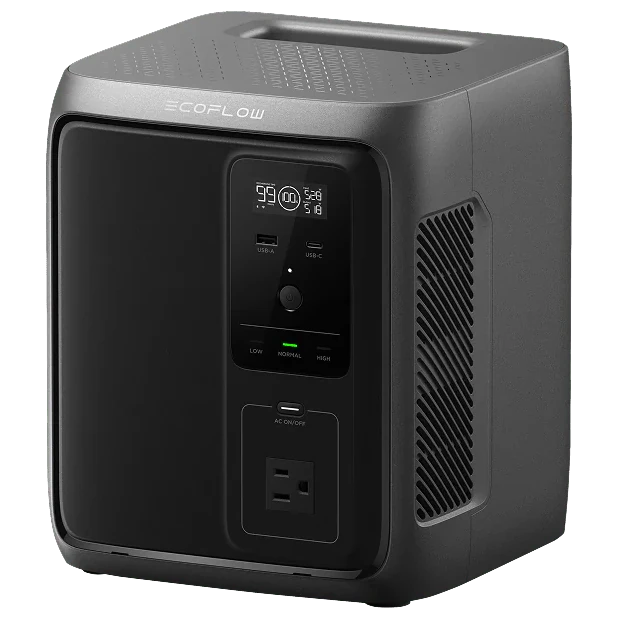 →DELTA 3 1000 Air→ DELTA 3 Classic
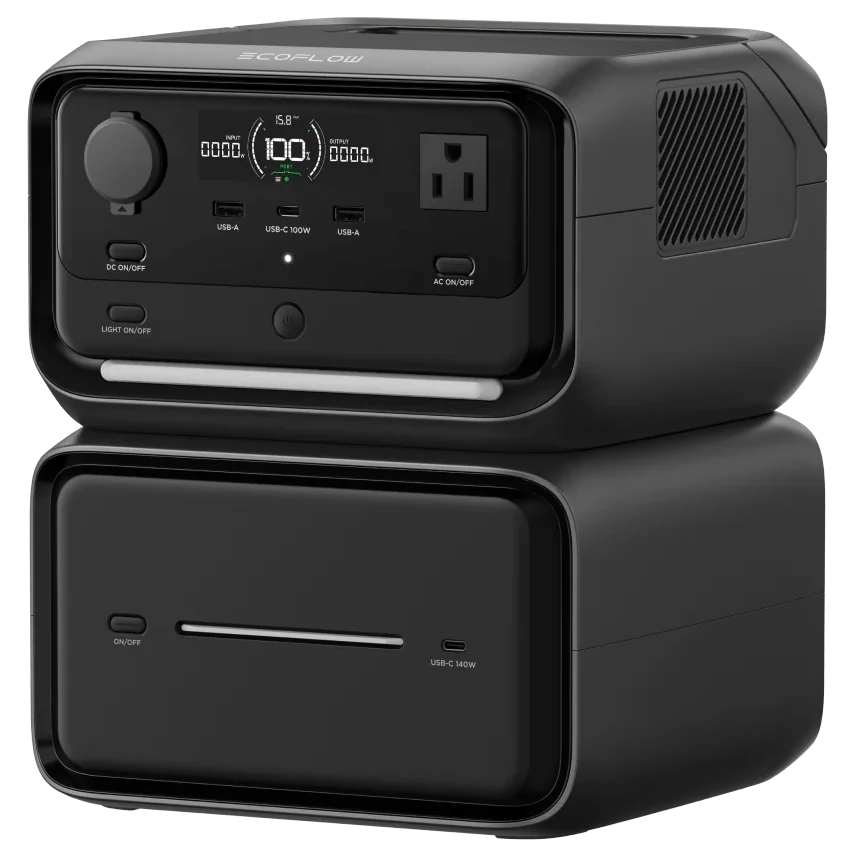 →
→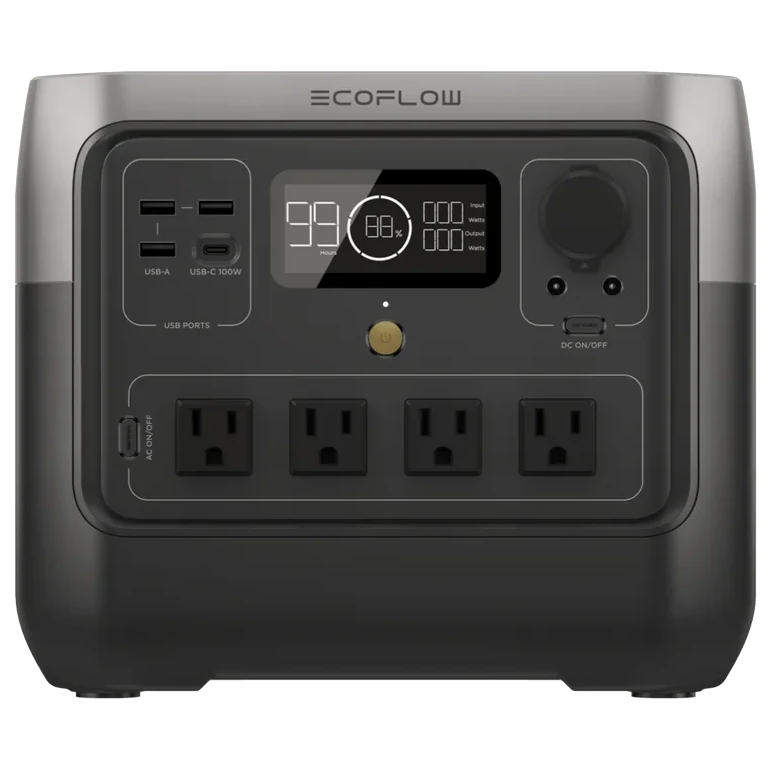 RIVER 3 MAX PLUS→ RIVER 2 Pro
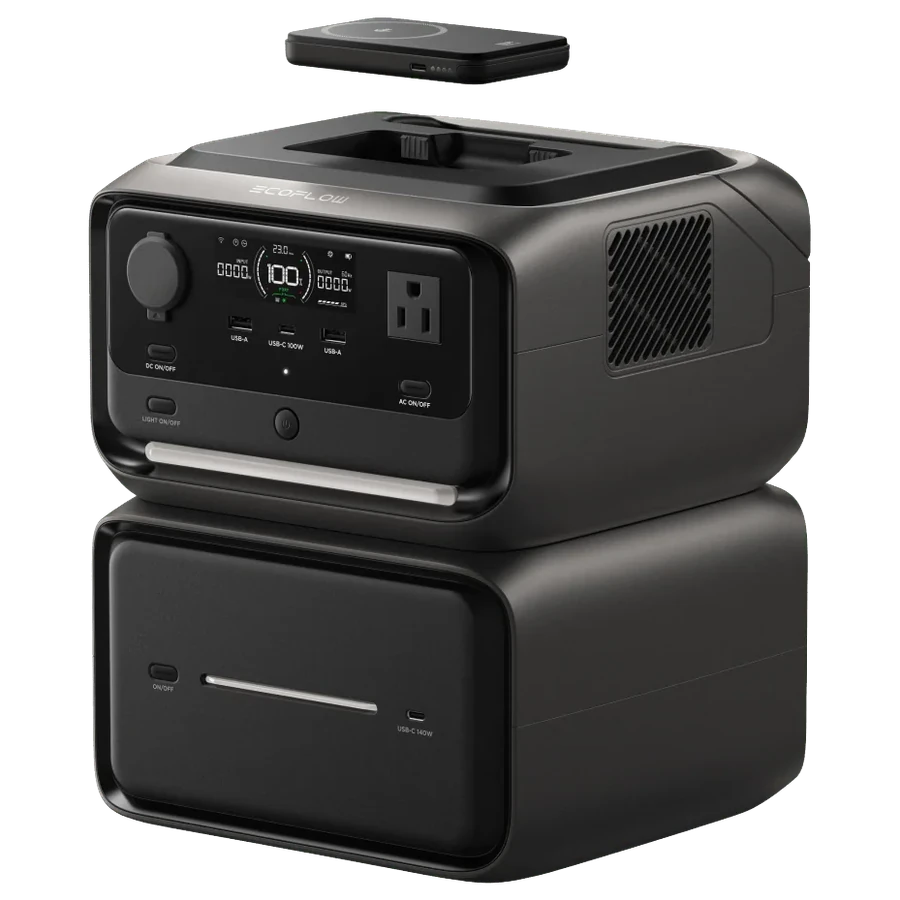 →RIVER 3 MAX PLUS WIRELESS→ DELTA 3 Classic
Retired 2: SOLIX F2000 → SOLIX C2000 Gen 2 and SOLIX C800 → SOLIX C800X.
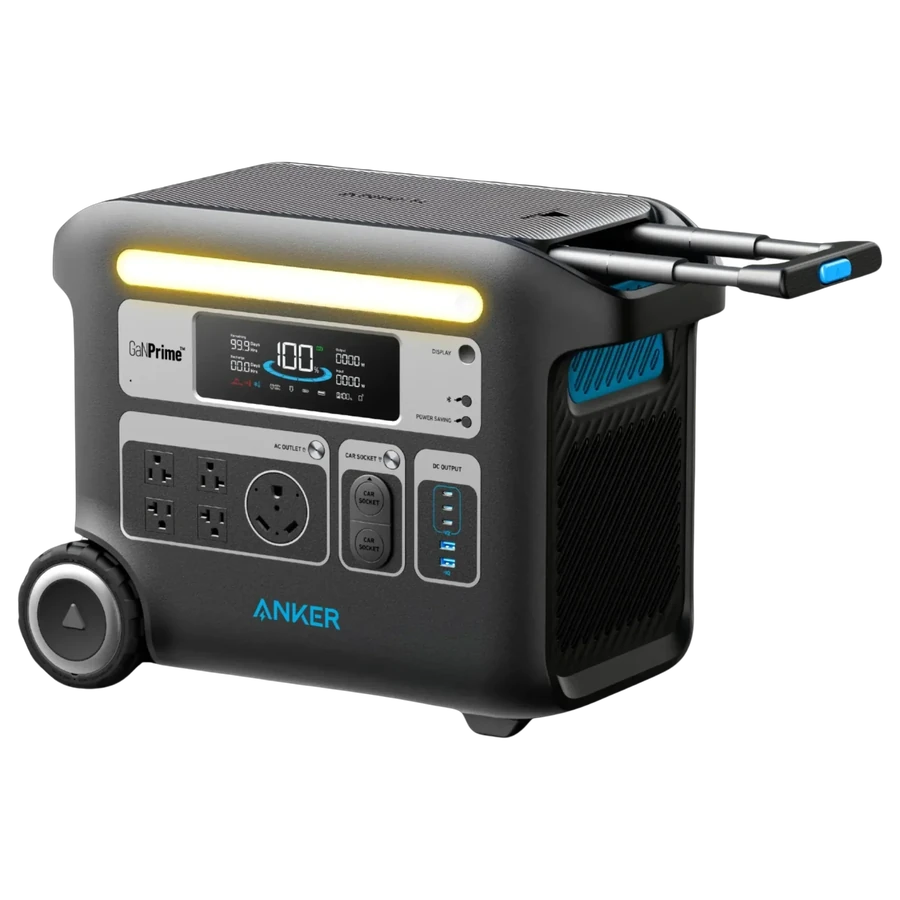 →SOLIX F2000→ SOLIX C2000 Gen 2
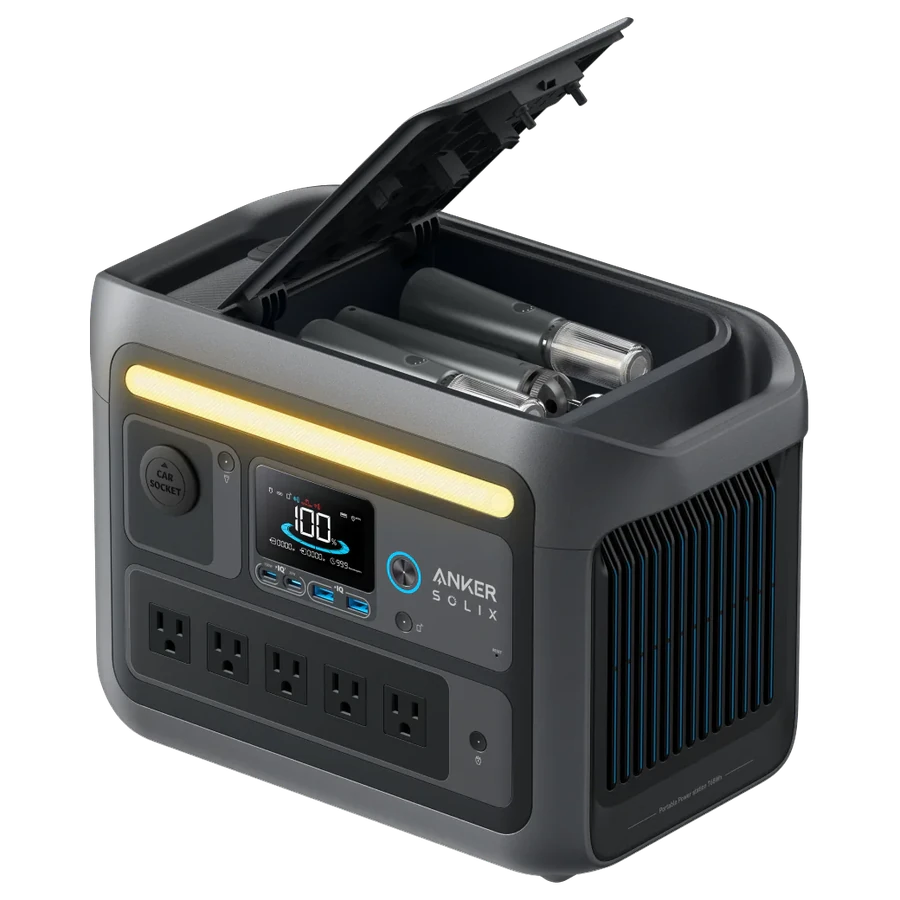 →
→ SOLIX C800→ SOLIX C800X
Nothing retired in our tracking window.
Nothing retired in our tracking window.
11 · Top matchups
The comparisons people search for most
Ordered by search demand across every pair in this group. The ringed unit is the winner.
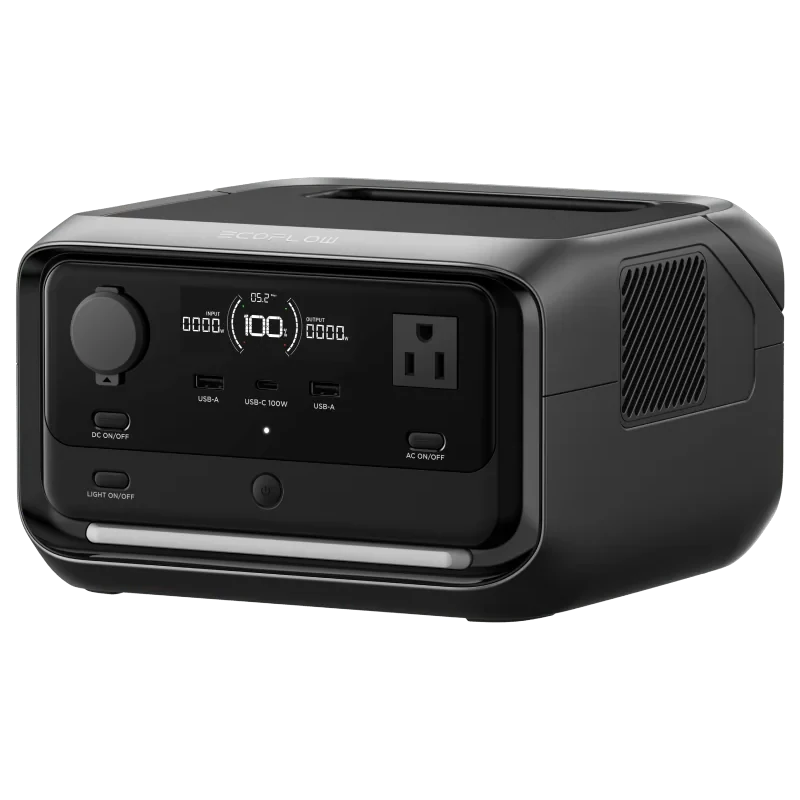 EcoFlow RIVER 3 vs BLUETTI Elite 30 V2 6/10
- EcoFlow DELTA 3 Classic vs Anker SOLIX C2000 Gen 2 8/10
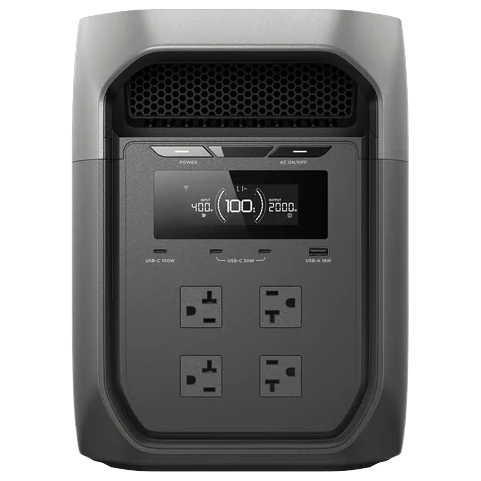 EcoFlow DELTA 3 Max Plus vs Anker SOLIX C2000 Gen 2 6/10
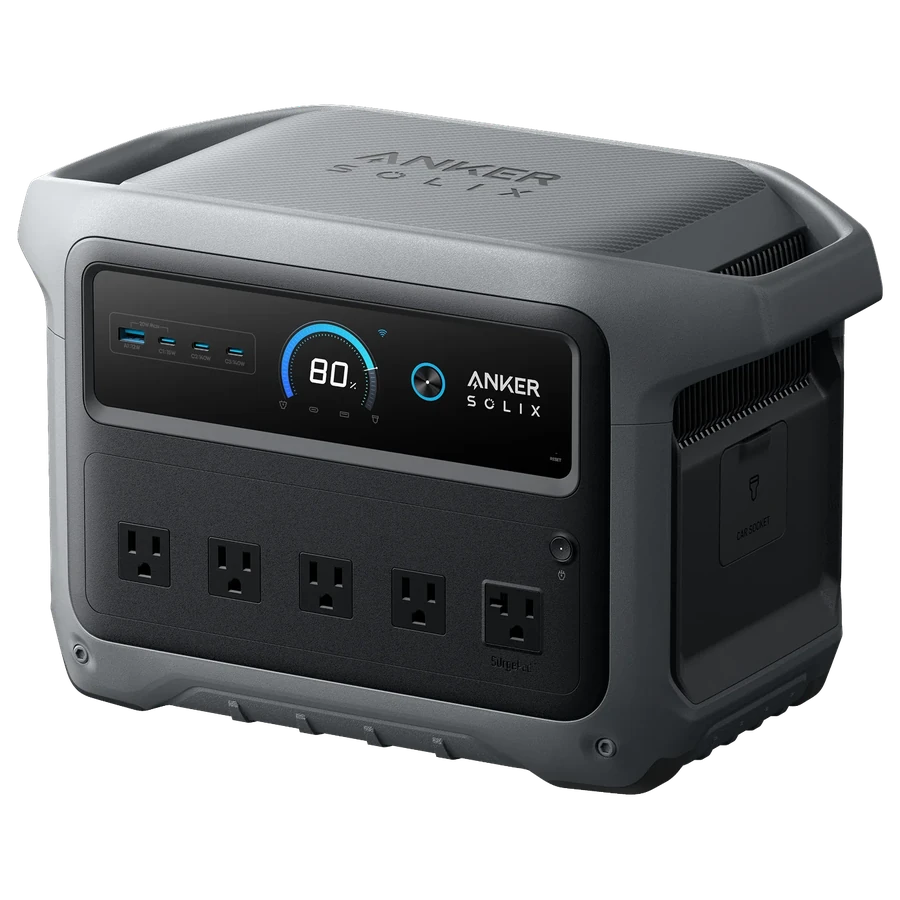 EcoFlow DELTA 3 Classic vs Anker SOLIX C1000 Gen 2 7/10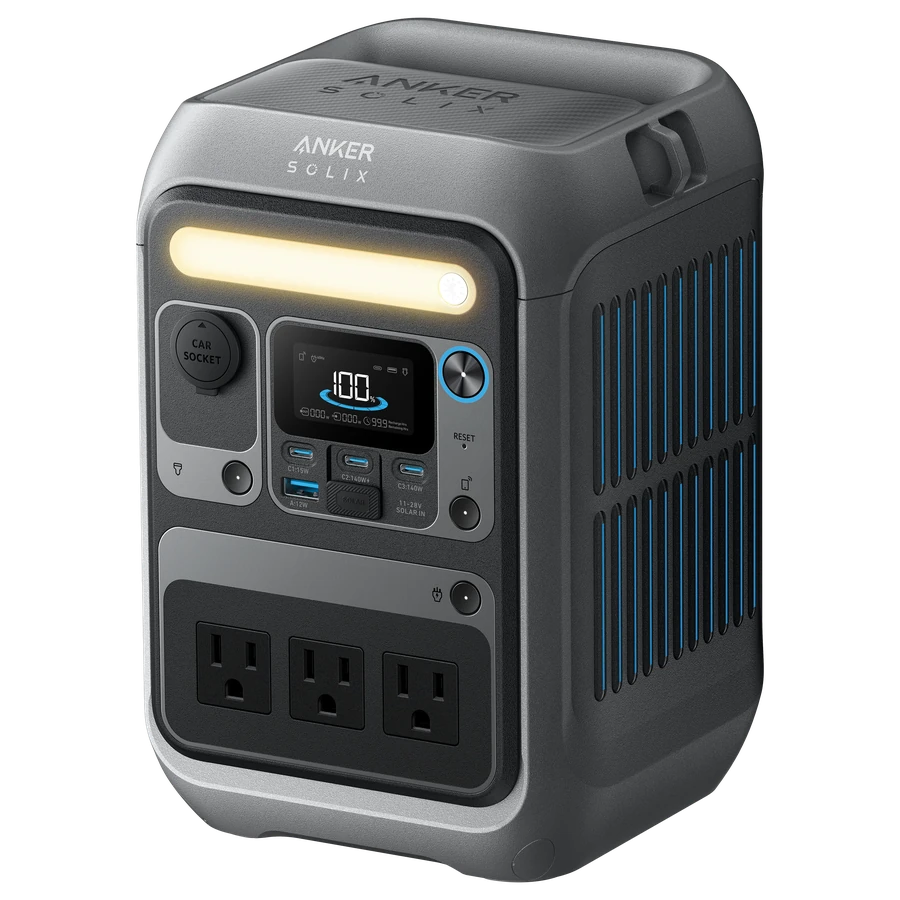
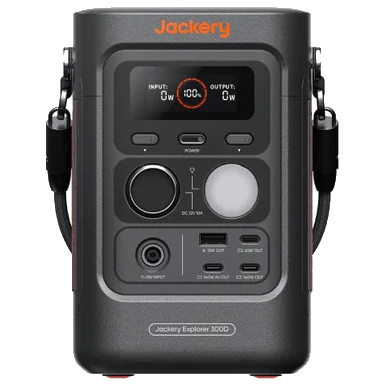 Anker SOLIX C300 vs Jackery Explorer 300D 7/10
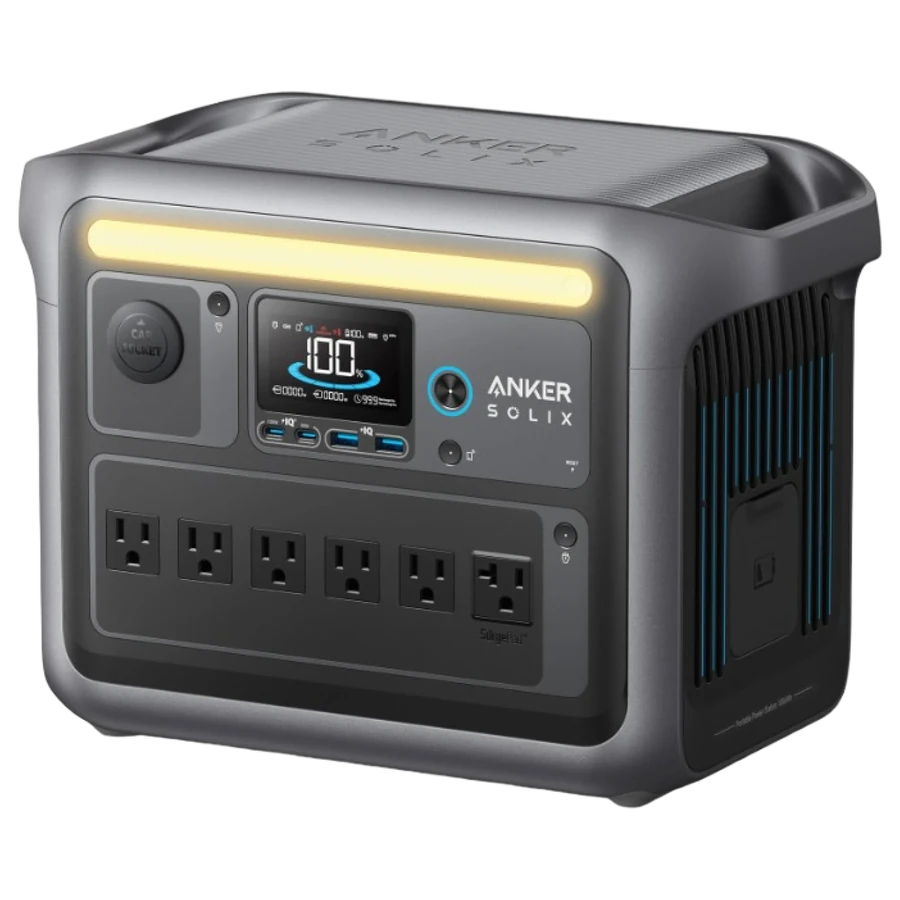 EcoFlow DELTA 3 Classic vs Anker SOLIX C1000 6/10
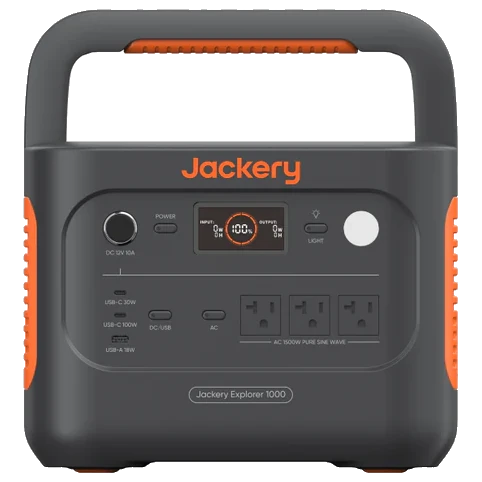 EcoFlow DELTA 3 Classic vs Jackery Explorer 1000 v2 7/10
- EcoFlow DELTA Pro 3 vs Anker SOLIX F3800 PLUS 7/10
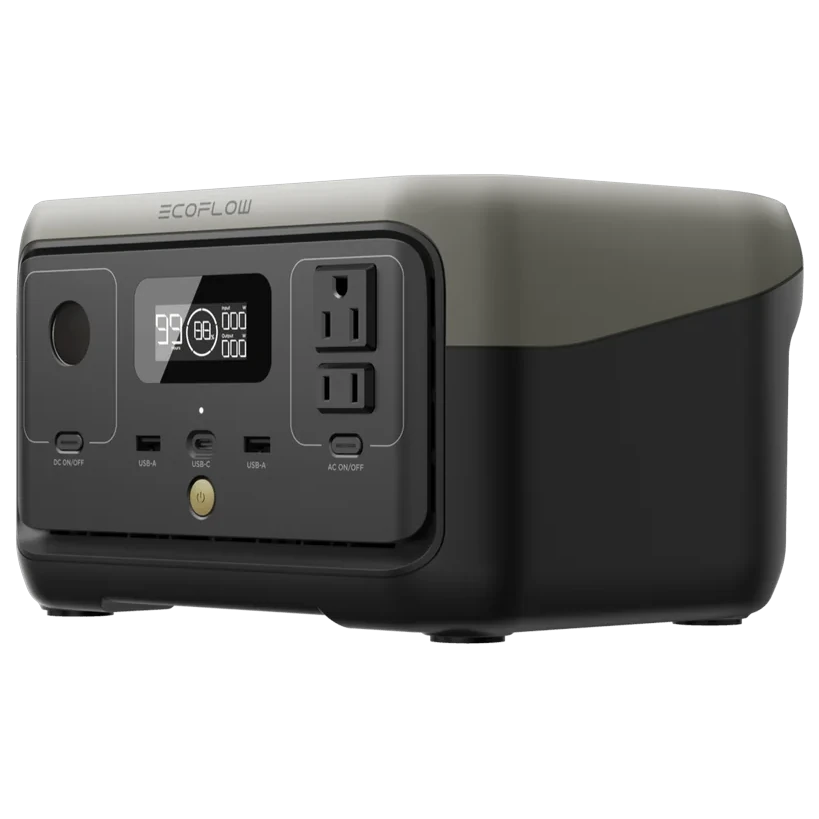
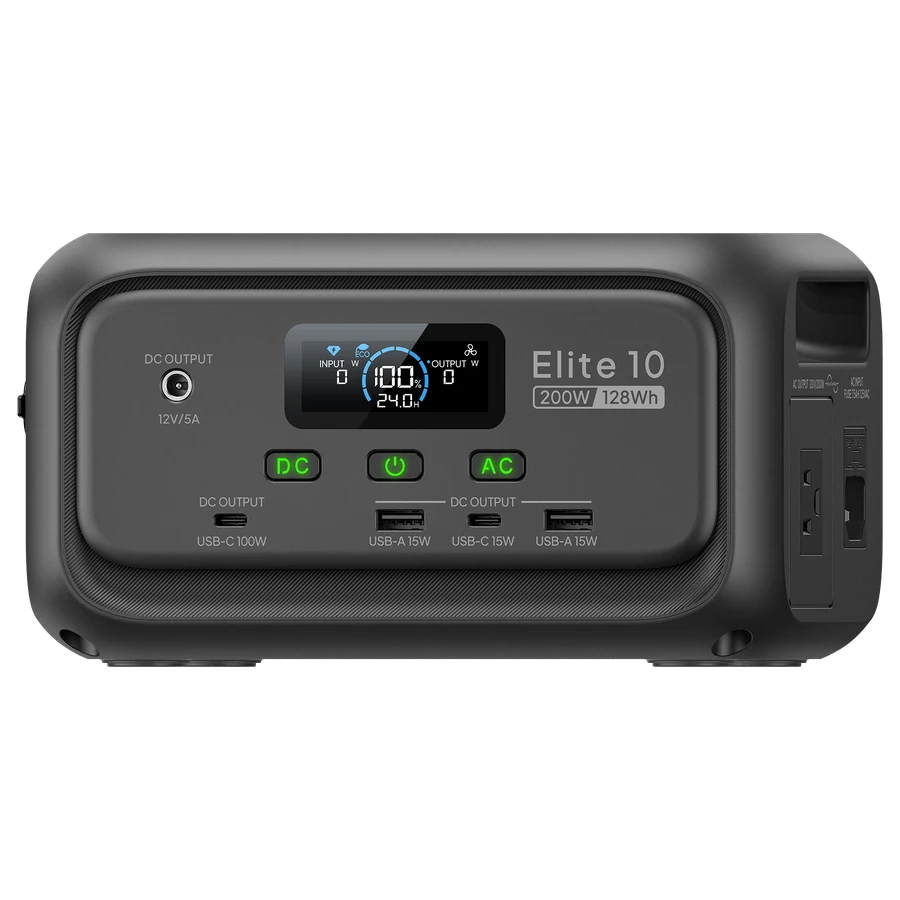 EcoFlow RIVER 2 vs BLUETTI Elite 10 Mini 7/10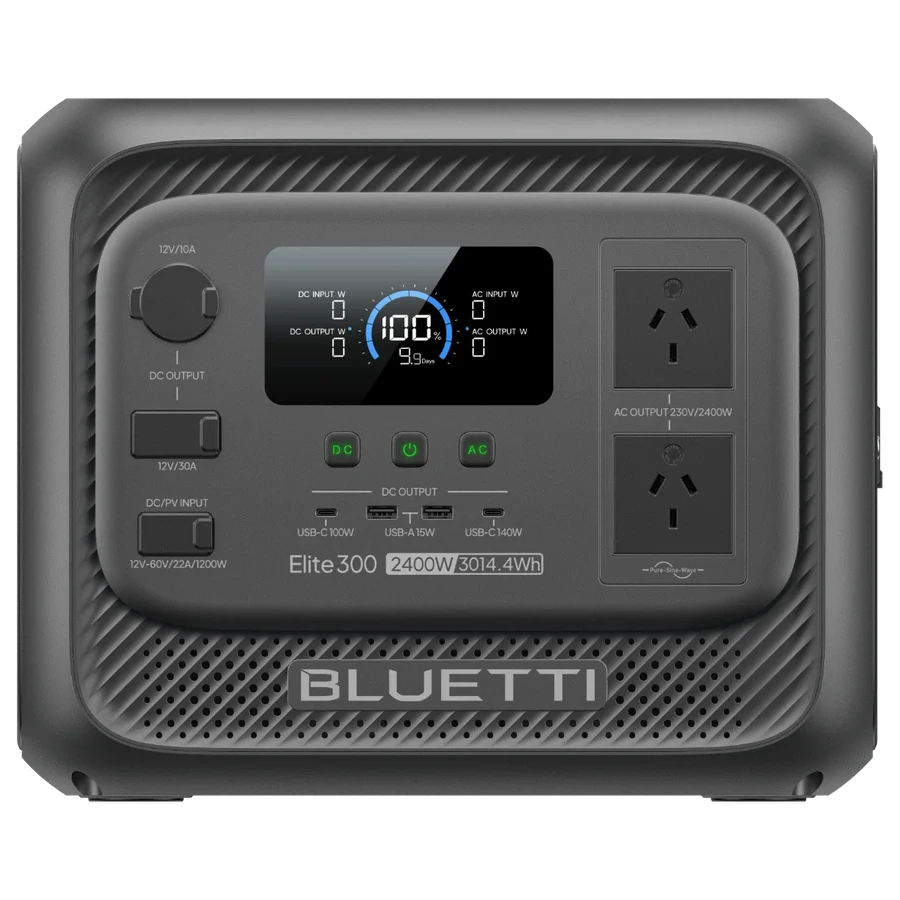
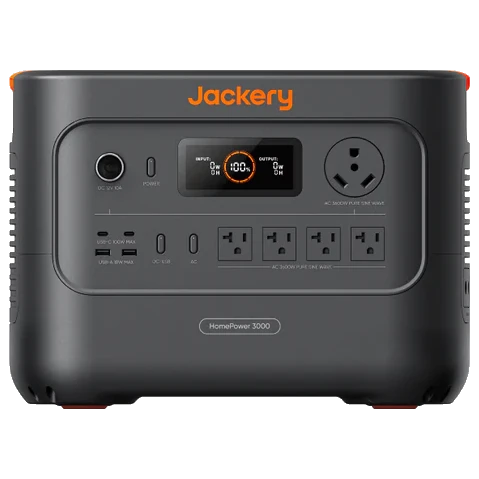 BLUETTI Elite 300 vs Jackery HomePower 3000 6/10
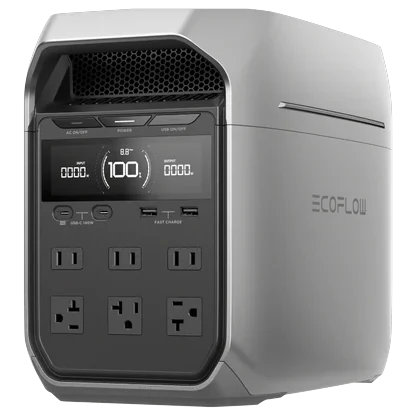 EcoFlow DELTA 3 Plus vs BLUETTI Elite 100 V2 6/10
- Anker SOLIX C2000 Gen 2 vs BLUETTI Elite 300 8/10
- EcoFlow RIVER 2 vs BLUETTI Elite 30 V2 7/10
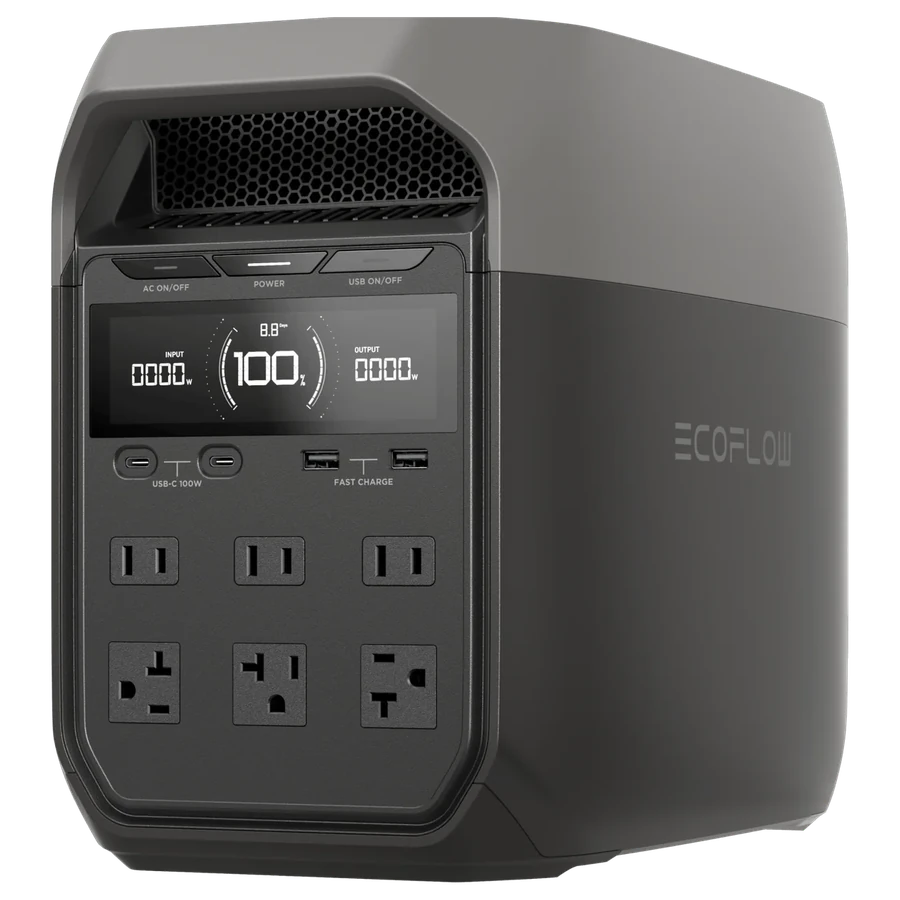 EcoFlow DELTA 3 vs BLUETTI Elite 100 V2 6/10
- EcoFlow DELTA 3 Max vs BLUETTI Elite 100 V2 7/10
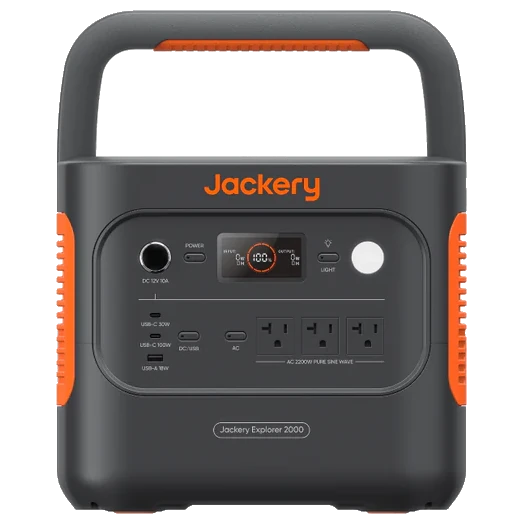 EcoFlow DELTA 3 vs Jackery Explorer 2000 v2 5/10
EcoFlow vs Anker SOLIX →EcoFlow vs BLUETTI →EcoFlow vs Jackery →Anker SOLIX vs BLUETTI →Anker SOLIX vs Jackery →BLUETTI vs Jackery →
12 · FAQ
The questions people ask
Which is best: EcoFlow, Anker SOLIX, BLUETTI or Jackery?
None of the 4 owns every size. By win share across our head-to-heads EcoFlow leads at 59%; by criterion, EcoFlow leads price per watt-hour and weight per watt-hour, Anker SOLIX leads inverter output and solar input, BLUETTI leads solar input and inverter output and Jackery leads weight per watt-hour and rated cycles. Start from the capacity you need.
Which of these brands is cheapest per watt-hour?
EcoFlow, at $0.56 median against BLUETTI $0.58, Anker SOLIX $0.59 and Jackery $0.62; the order changes in some bands.
Which is the most reliable?
We cannot measure failure rates. Rated cycles, LFP share and warranty are in the ecosystem table; owners' durability and support claims are tallied per brand in the Voices bars.
Can I mix expansion batteries between these brands?
No. Every one of these ecosystems is proprietary, so the first purchase decides the second.
Which brand discounts the most?
Drops in 53 days: EcoFlow 20, Anker SOLIX 3, BLUETTI 41 and Jackery 43. The price cards show median depth and the deepest cut on each side.
Where do owners disagree with your verdicts?
The pairwise owner table in the record section shows buyer preferences from YouTube next to our own head-to-head results, pair by pair.
How these numbers were made
Instruments were computed on 2026-09-08 from the current listings of EcoFlow, Anker SOLIX, BLUETTI and Jackery in our catalog, excluding retired units and counting each stack configuration once. Prices are the typical prices from our price tracking (23,158 captures, 2026-07-17 to 2026-09-07). The record counts only published head-to-heads between these brands. Bench verdicts use the same PowerScore benches as our buying guides.
Our methodology →All EcoFlow →All Anker SOLIX →All BLUETTI →All Jackery →Affiliate disclosure
Not sure which unit?
Pick your size and use case; we rank three with live prices.