BLUETTI · EP series
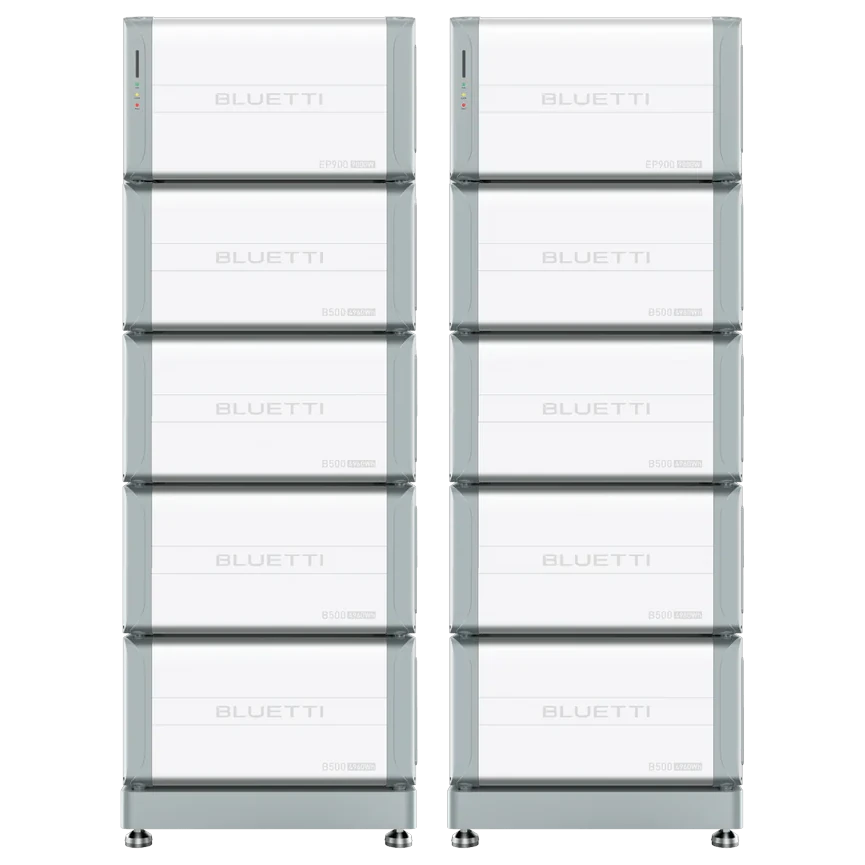
BLUETTI 2×EP900 + 8×B500
A 39.7 kWh LiFePO4 station with 18,000 W of output, rated for 6,000 cycles. What it sells for, what it runs, how it fared in 6 written head-to-heads, and what owners report.
39.7 kWh · 18,000 W · 1178 lb · 6,000 cycles · 6 head-to-heads
27,317
Power Score · Grid-Independent
- 39.7 kWh
- capacity
- 18,000 W
- output
- 1178 lb
- weight
- 6,000
- rated cycles
Should you buy it right now?
2×EP900 + 8×B500: 39,680Wh, clears 6 of 6 real-world jobs, wins 0 of 6 matchups.

Verdicts by Gunner Gustafson and the Test Desk·Figures computed 2026
01 · Six real-world jobs
What the 2×EP900 + 8×B500 actually runs
The load profiles every comparison on the site is scored on, computed for this unit alone: energy needed against the usable tank after inverter losses, and whether the inverter holds and starts the biggest single load.
Weekend Camping
Clears it2 nights · Two nights off-grid with essential comfort
2,100Wh needed · 6% of the tank · 31,628Wh spare
Peak 75W: starts and holds
8-Hour Blackout
Clears it8 hours · Keep the essentials running through a night without power
1,645Wh needed · 5% of the tank · 32,083Wh spare
Peak 150W: starts and holds
CPAP Overnight
Clears it8 hours · Sleep therapy without interruption — the #1 medical use case
320Wh needed · 1% of the tank · 33,408Wh spare
Peak 40W: starts and holds
Remote Workday
Clears it8 hours · Full work day off-grid without power anxiety
910Wh needed · 3% of the tank · 32,818Wh spare
Peak 60W: starts and holds
Tailgate Party
Clears it4 hours · Game day power for the crew
670Wh needed · 2% of the tank · 33,058Wh spare
Peak 400W: starts and holds
Van Life Daily
Clears it24 hours · A full day of mobile living — the ultimate endurance test
4,685Wh needed · 14% of the tank · 29,043Wh spare
Peak 150W: starts and holds
02 · Head-to-head record
0 wins in 6 written matchups
Every matchup is a full verdict scored on the six jobs above plus price, longevity and portability. This is the set shoppers search for, not a random sample.
Win share
0–5–1
- vs Anker0–3–1
- vs BLUETTI0–2
 loses
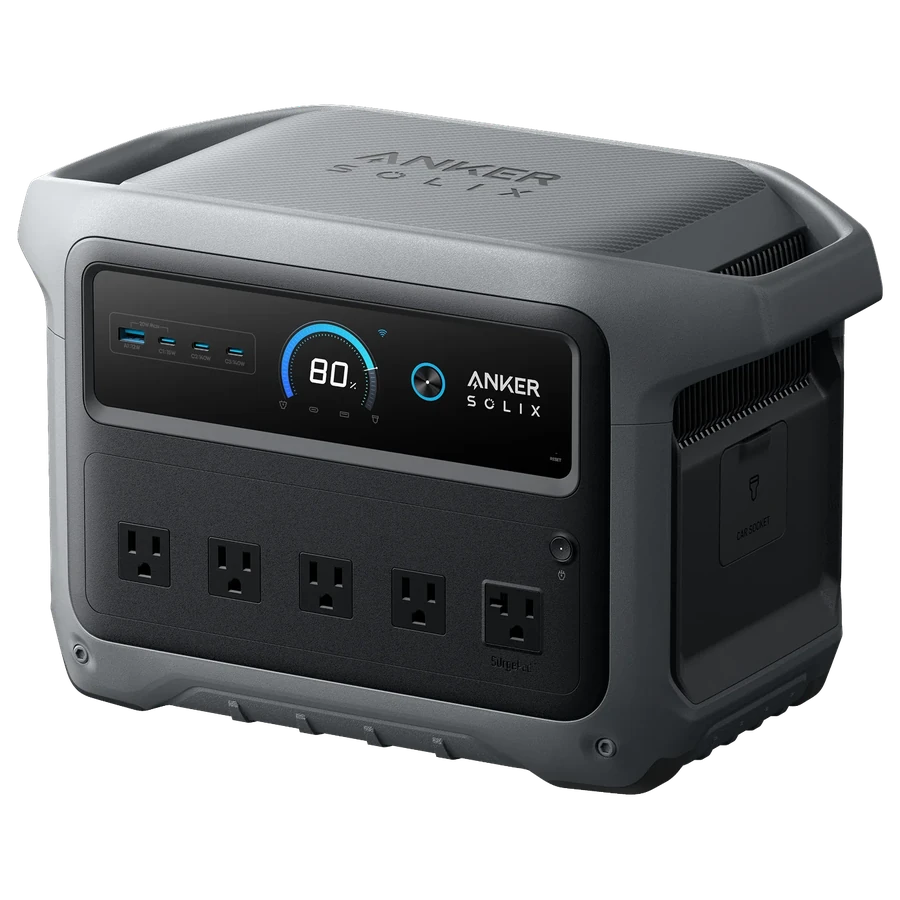
loses2×EP900 + 8×B500 vs Anker SOLIX C1000 Gen 2
7 searches reached this matchup
 tie
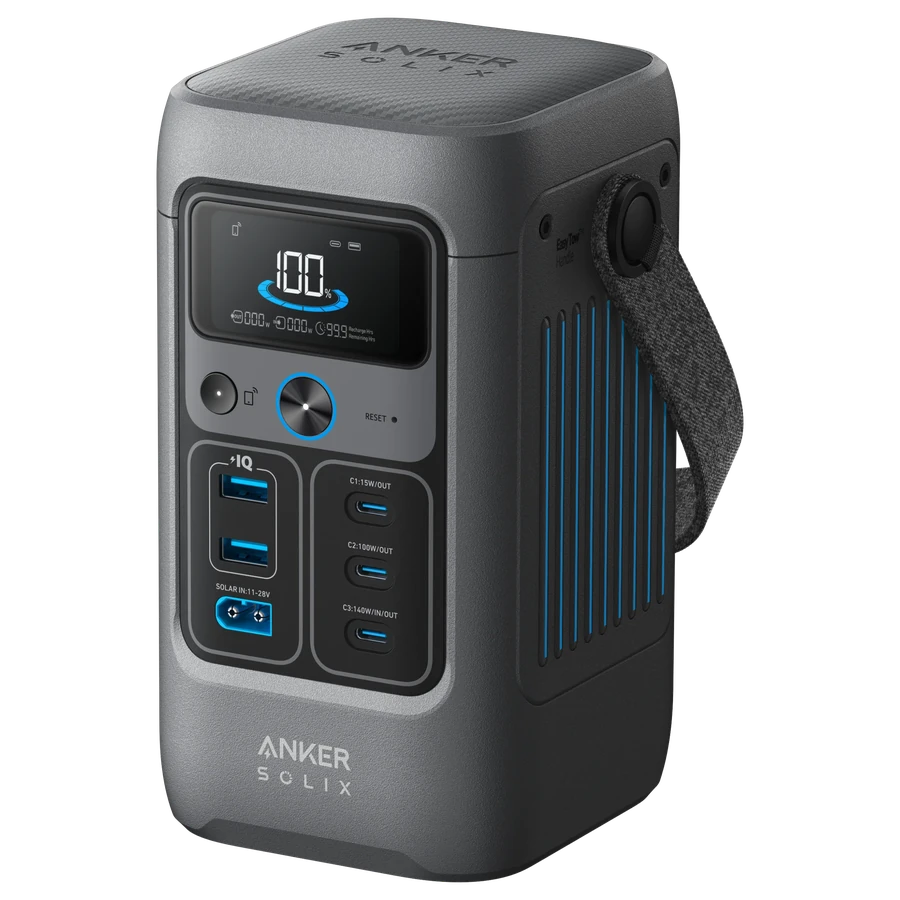
tie2×EP900 + 8×B500 vs Anker SOLIX C200 DC
4 searches reached this matchup
 loses
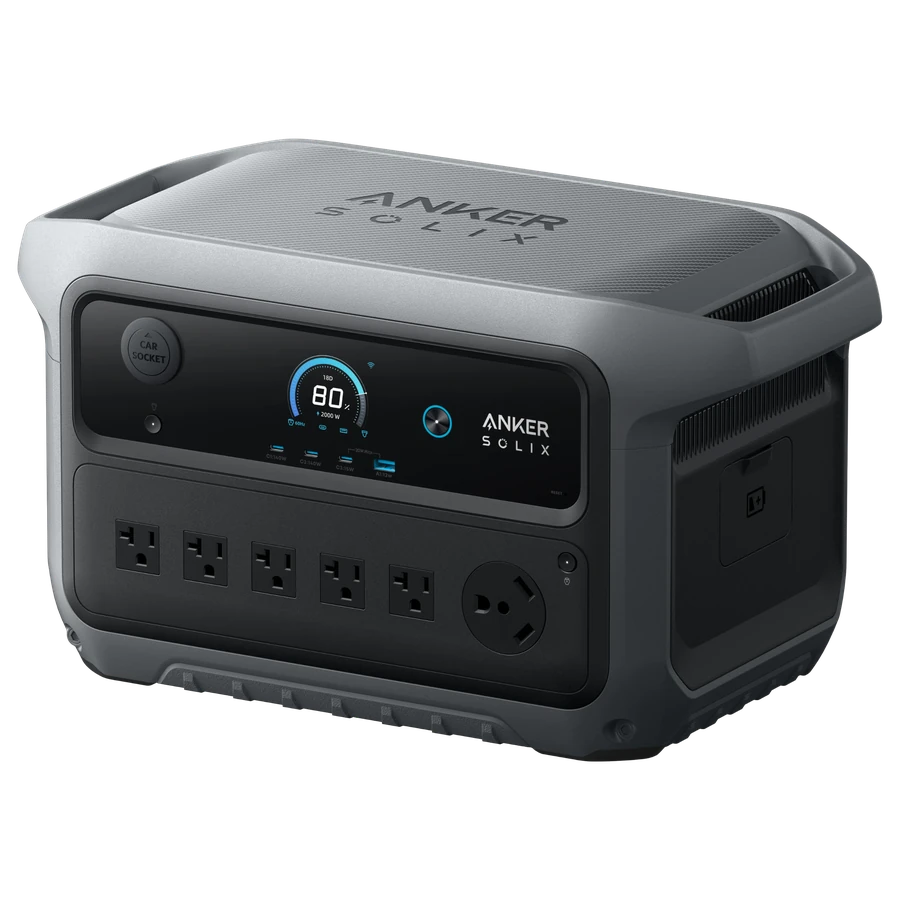
loses2×EP900 + 8×B500 vs Anker SOLIX C2000 Gen 2
3 searches reached this matchup
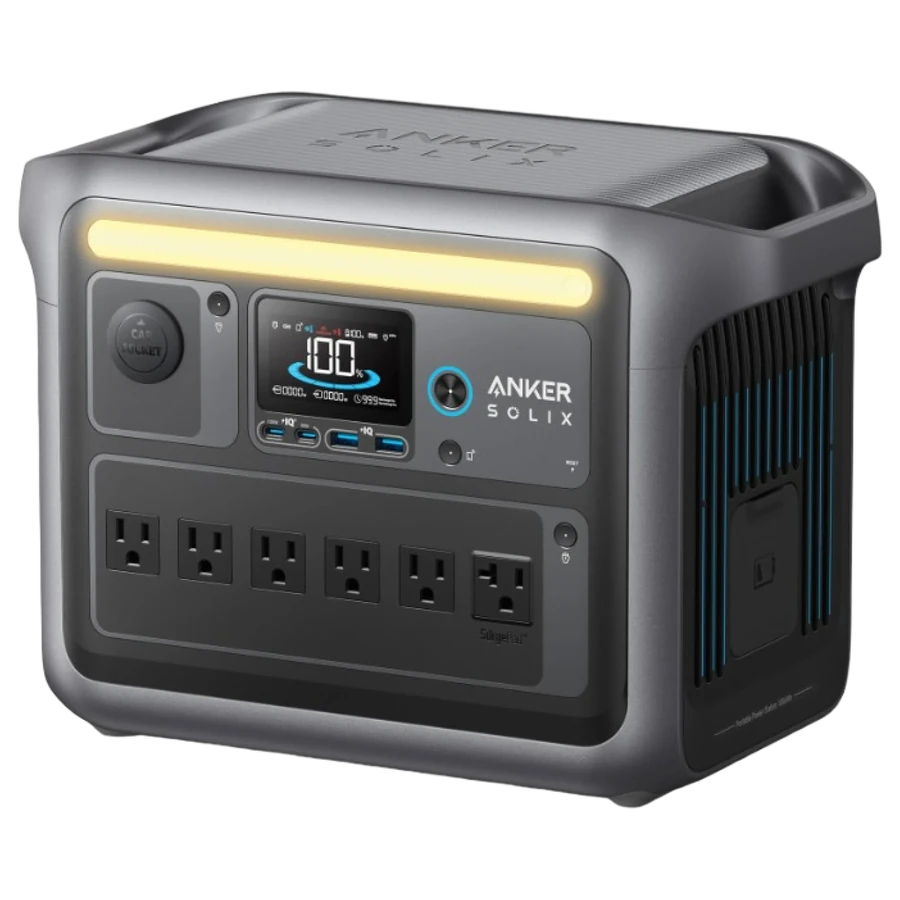 loses
loses2×EP900 + 8×B500 vs Anker SOLIX C1000
1 searches reached this matchup
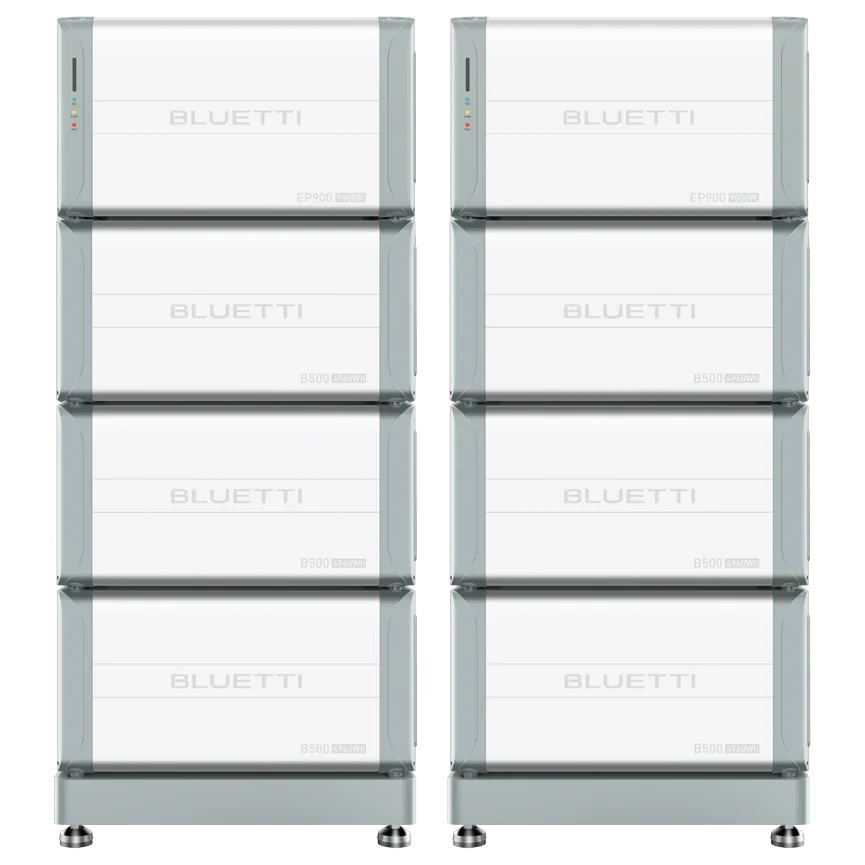 loses
loses2×EP900 + 8×B500 vs BLUETTI 2×EP900 + 6×B500
1 searches reached this matchup
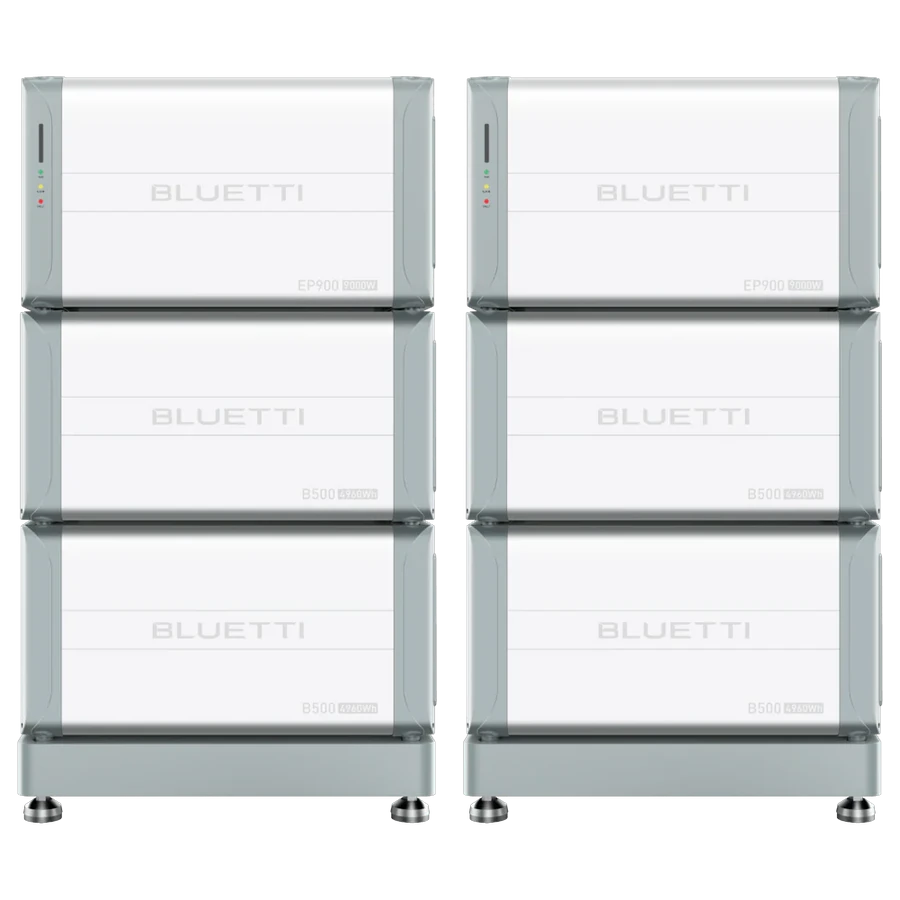 loses
loses2×EP900 + 8×B500 vs BLUETTI 2×EP900 + 4×B500
Written verdict
03 · From the verdicts
Who it is for, and when a rival won instead
Each line is lifted from a written matchup where it decided the verdict, and links to the page it came from. Repeated across many matchups means it is the unit’s signature, not one author’s opinion.
Buy the 2×EP900 + 8×B500 if…
The homeowner backing up a whole panel, well pump, furnace blower, fridge, lights, through multi-day outages, who's already committed to an electrician and a permit. This is the load the 39,680Wh stack is built for and the C1000 can't touch.
The off-grid or heavy-solar build pairing serious arrays with 18,000W of solar input and 39,680Wh of storage. If that's the project, the C1000 was never a candidate.
Buy the 2×EP900 + 8×B500 only if you're commissioning whole-home backup and mean it: 39,680Wh and 18,000W wired into your electrical panel by an electrician, meant to carry the house through multi-day outages and warranted 10 years to do it. This is a homeowner with a permitted solar-backup project and a $35,196 budget already in hand, not someone cross-shopping portable power stations.
You own the home, have an electrician lined up, and want whole-home backup wired into a subpanel — 39,680Wh and an 18,000W inverter that feeds household circuits, not just a device or two.
A rival won when…
The camper, tailgater, or anyone who needs power where there's no outlet: at 41.7 lbs it actually goes, and it covers a 670Wh tailgate with 1,071Wh to spare.
Decided 2 matchups · read one →
The renter or apartment dweller who wants outage insurance for the fridge, the phones, and a CPAP overnight, without an electrician, a permit, or a five-figure budget.
Decided 2 matchups · read one →
Anyone whose real ceiling is about a kilowatt-hour at a time, which is the common reason these two names end up in the same search box.
Buy the C1000 if you want one box you can actually carry and use: a tailgate, a road trip, car camping, or a CPAP or fridge through a short outage on an extension cord. It's the first power station for someone who wants $450, 28 pounds, and enough output for anything short of central AC or an electric dryer [A4]. If you're unsure how much power station you need, this is the low-regret amount.
05 · Voices
What owners and reviewers say
Owner reports are paraphrased from public YouTube comments and each links to its source; reviewer consensus is counted from cited excerpts, never quoted; our own verdicts are quoted. Specs on this page never come from any of them.
Reviewer consensus
3/11 positive excerpts, 2 sources
Prospective buyers are drawn to the modular multi-EP900/B500 stacking concept for whole-home backup but express skepticism about real-world reliability versus marketing claims, especially in temperature extremes.
diysolarforum.com · community.bluettipower.com · researched 2026-07-15
From the test desk
“Take the C1000 Gen 2 unless you're specifically wiring whole-home backup, in which case only the EP900 + B500 stack can do it and the Anker isn't in the conversation.”
“Tie — not because they're equal, but because they don't do the same job, so 'better' has no meaning here.”
“Buy the Anker C2000 Gen 2 unless you specifically need installed whole-home backup, because these aren't the same kind of product.”
06 · Where each number comes from
Spec sheet, in four cards
Every field carries its source: green is the manufacturer’s own document, blue was adjudicated after sources disagreed, grey is the catalogue as imported. Then compare it line by line with the units people actually weigh it against.
Battery
39680
Capacity (Wh)
- ChemistryLiFePO4
- Charging Cycles6000
- Battery Expansion FeasibilityNo
Power out
18000
Output (W)
- Surge PeakNot Specified
- AC OutletsHardwired
- 240V OutletsHardwired
- 30A RV Outlets0
- 12V Car Outlets0
- USB-C Ports0
- USB-A Ports0
Charging
18000
Solar Input (W)
- Solar Input TypeMC4
Living with it
1178
Weight (lbs)
- Noise Level (db)<50
- UPSYes (<10ms)
- App ControlYes
- Warranty (Years)10
Compare it with
2×EP900 + 8×B500 vs
leads on 5 · trails on 4
| Spec | 2×EP900 + 8×B500 | SOLIX C1000 Gen 2 | Gap |
|---|---|---|---|
| Usual price | $35,196 | $530 ● | +$34,666 |
| Capacity (Wh) | 39680 ● | 1024 | +38656 |
| Output (W) | 18000 ● | 2000 | +16000 |
| Surge (W) | Not Specified | 3000W | |
| Rated cycles | 6000 ● | 4000 | +2000 |
| Solar input (W) | 18000 ● | 600 | +17400 |
| Weight (lb) | 1178 | 24.9 ● | +1153.1 |
| Noise (dB) | <50 | <35 ● | +15 |
| AC outlets | Hardwired | 6 | |
| USB-C ports | 0 | 2 ● | -2 |
| Warranty (yr) | 10 ● | 5 | +5 |
| Chemistry | LiFePO4 | LiFePO4 | |
| UPS | Yes (<10ms) | Yes (<10ms) |
● marks the better figure where direction is clear. Price is each unit’s usual price.
Read the full verdict →07 · BLUETTI EP line
Where it sits in the line
Capacity bars are to scale across the line; prices are each unit’s usual price, not today’s.
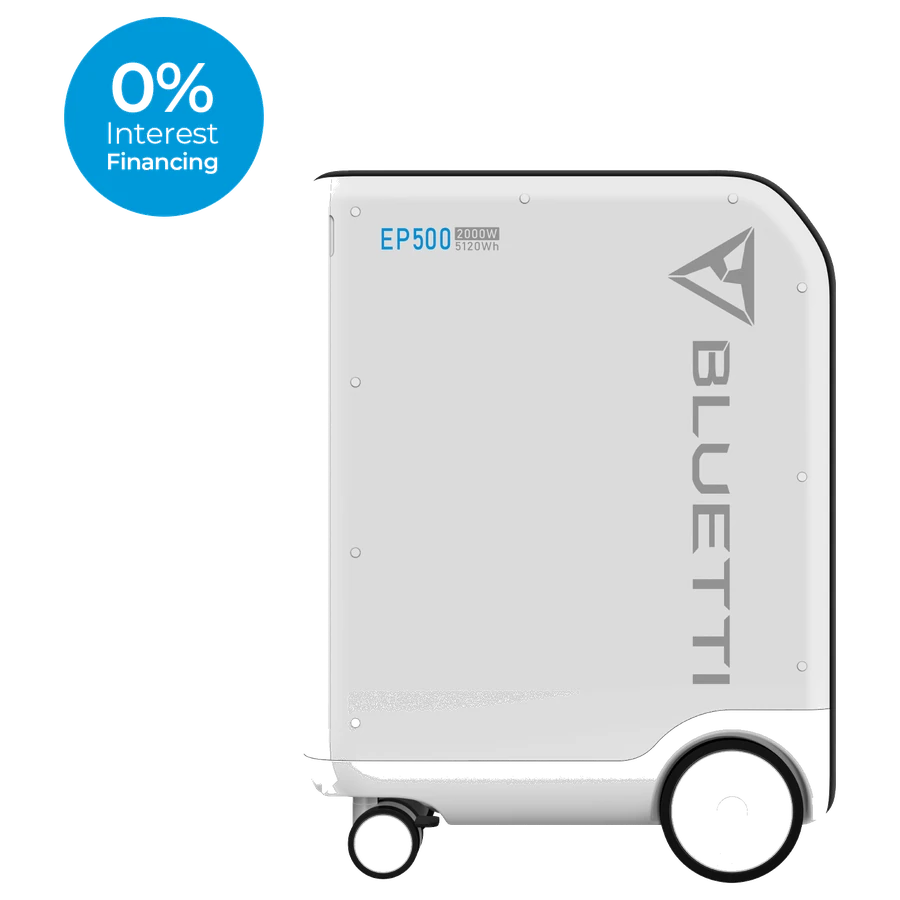
EP500
5.1 kWh · $2,999
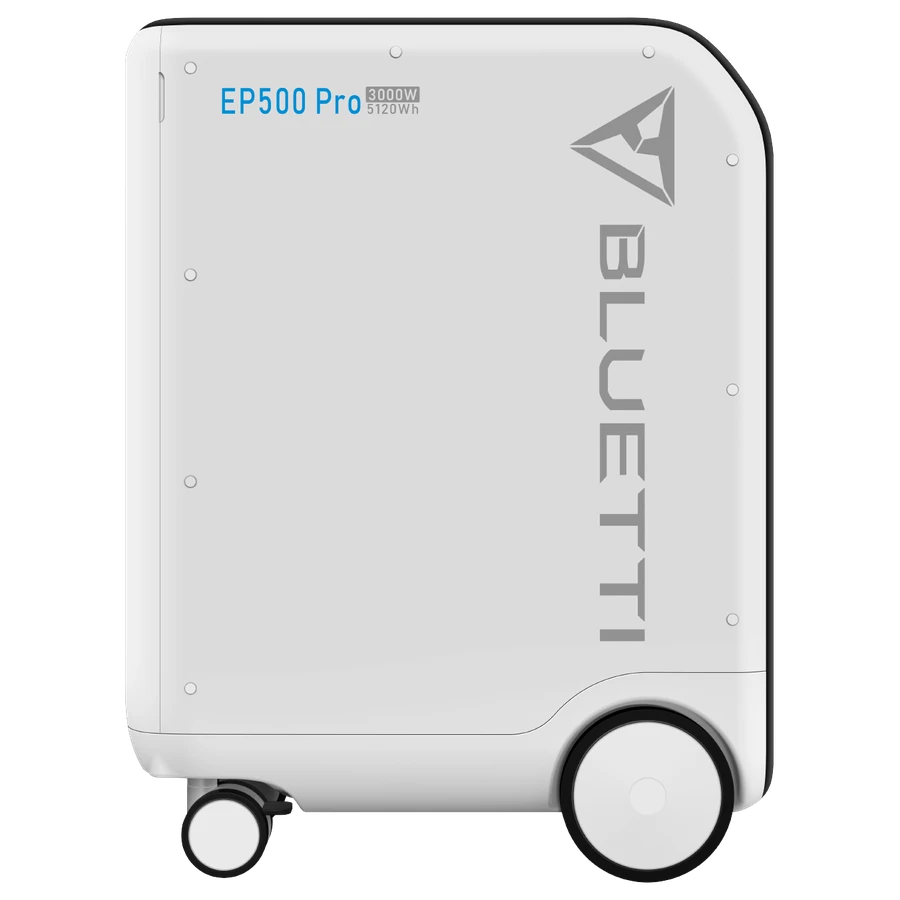
EP500Pro
5.1 kWh · $3,499
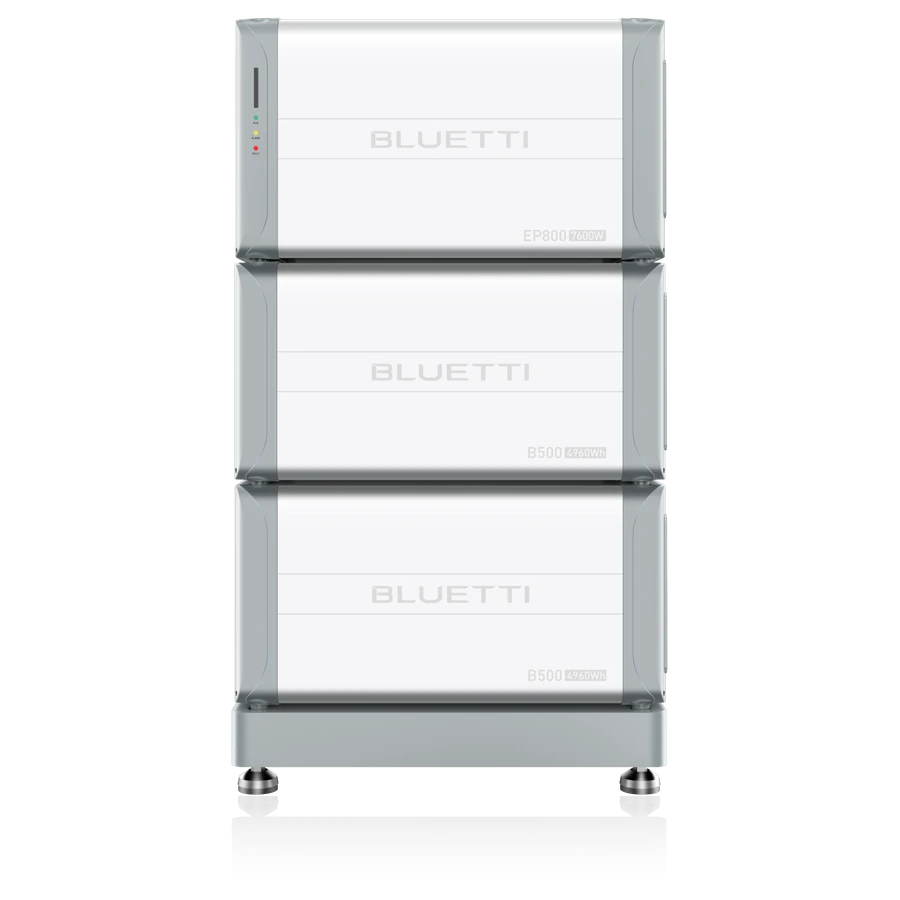
EP800 + 2×B500
9.9 kWh · $6,999
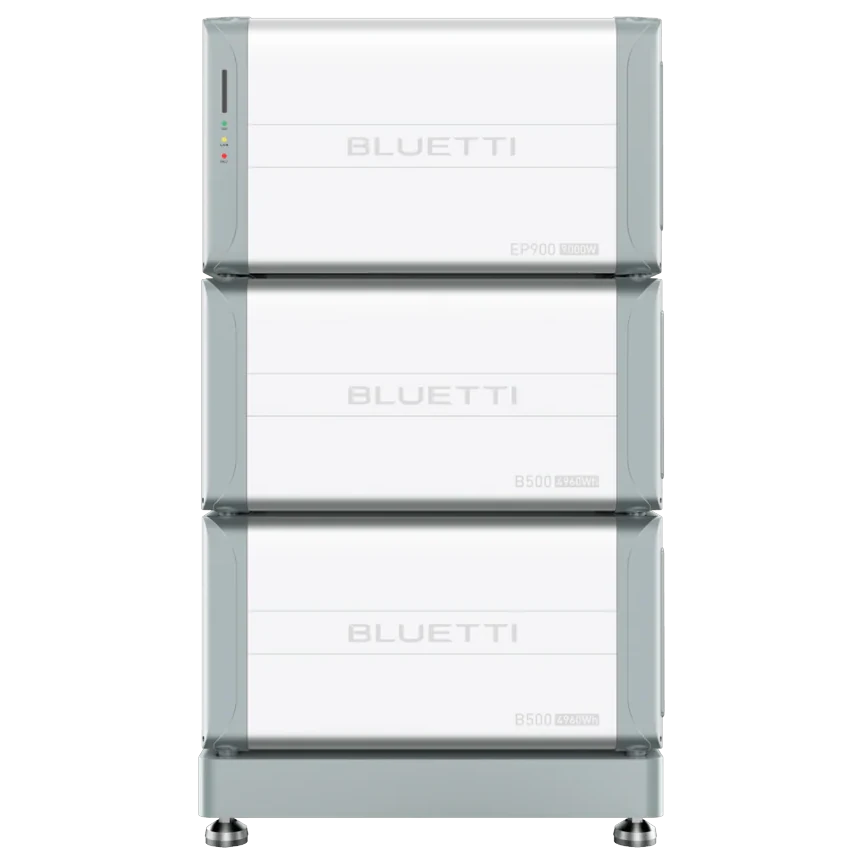
EP900 + 2×B500
9.9 kWh · $10,298
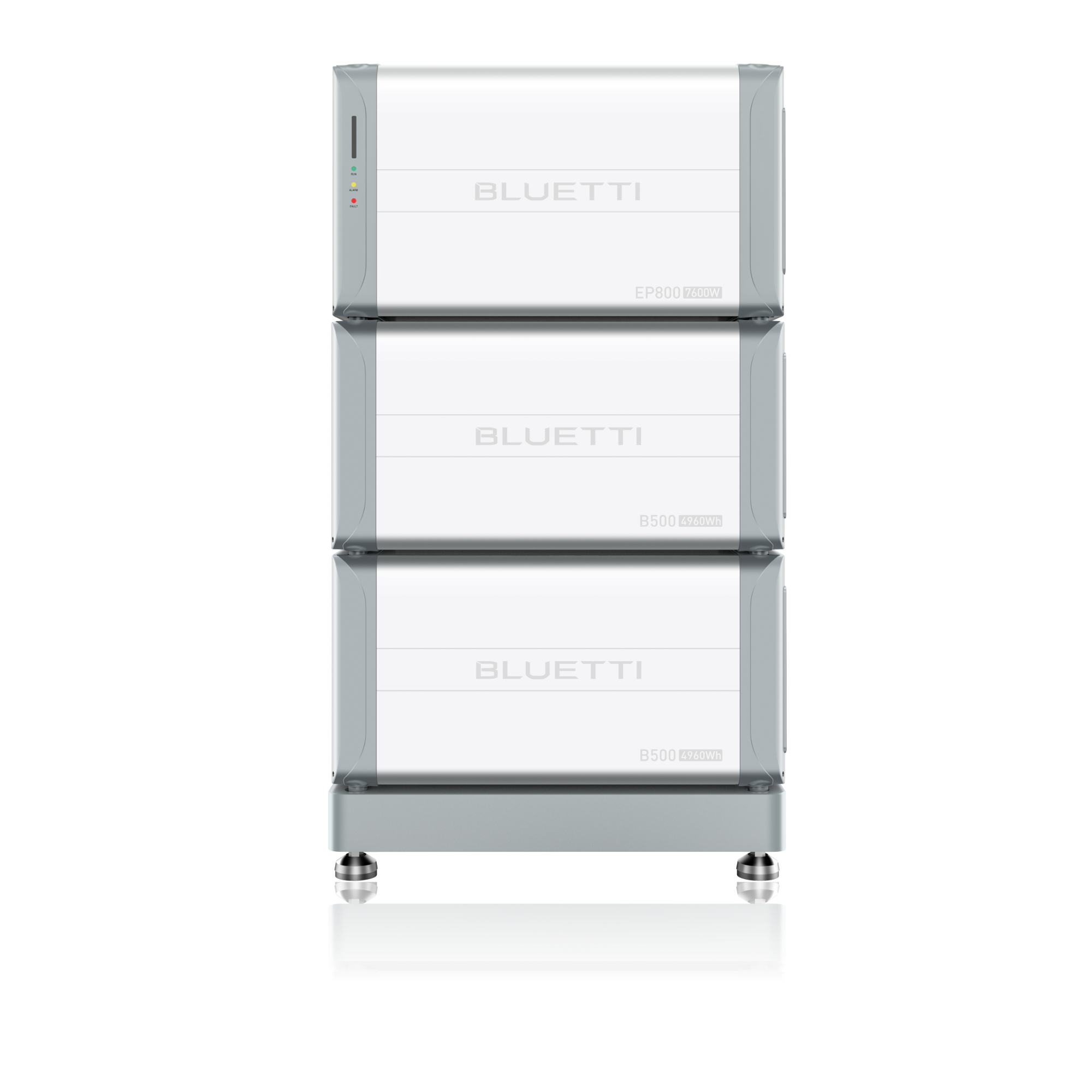
EP800 + 3×B500
14.9 kWh · $6,299
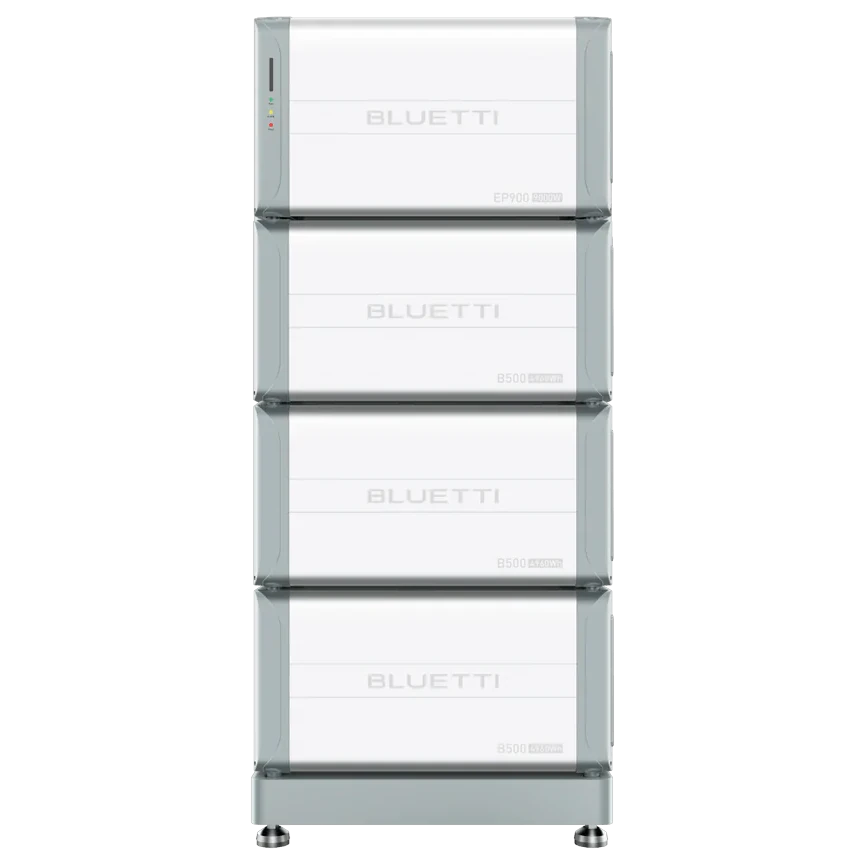
EP900 + 3×B500
14.9 kWh · $13,798
EP800 + 4×B500
19.8 kWh · $7,999

2×EP800 + 4×B500
19.8 kWh · $17,999
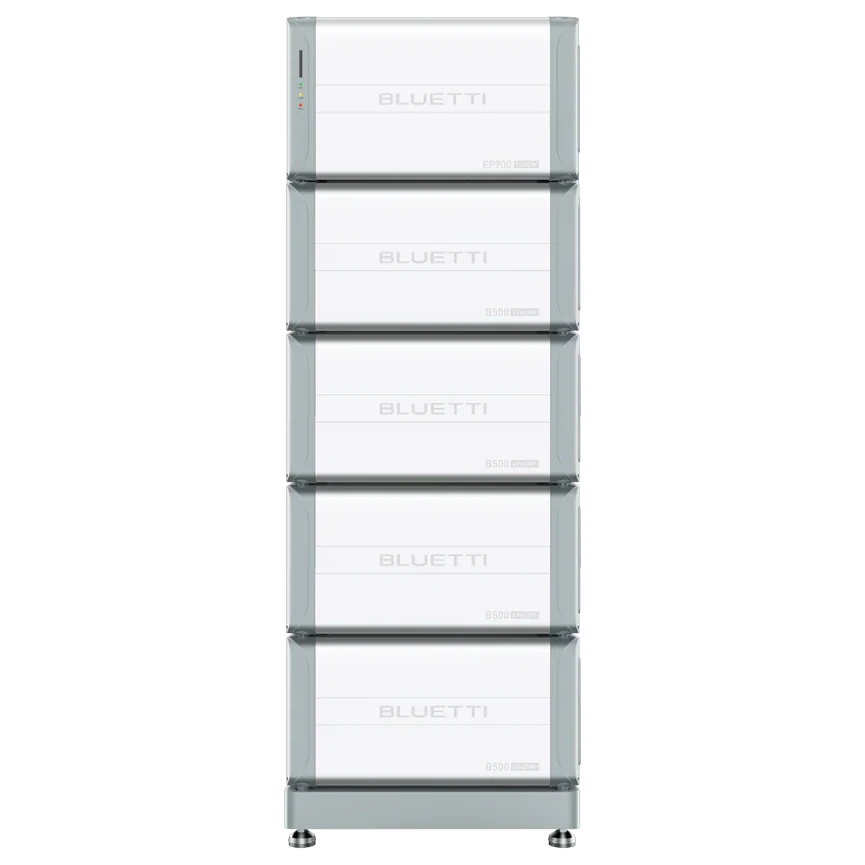
EP900 + 4×B500
19.8 kWh · $17,298
2×EP900 + 4×B500
19.8 kWh · $21,196
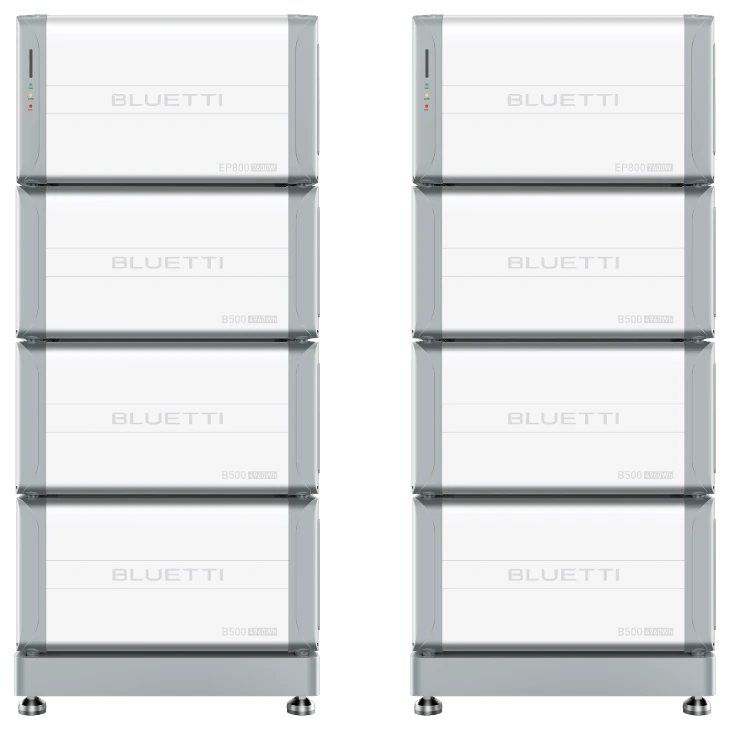
2×EP800 + 6×B500
29.8 kWh · $23,998
2×EP900 + 6×B500
29.8 kWh · $28,196
2×EP800 + 8×B500
39.7 kWh · $29,998
2×EP900 + 8×B500
39.7 kWh · $35,196
08 · At its usual price
Cost of ownership
Cycle life is the manufacturer’s rating to 80% capacity; the lifetime figure is that rating times the nameplate capacity.
$0.89
per Wh
at $35,196
$0.15
per lifetime kWh
238,080 kWh over 6,000 cycles
16.4 yr
if cycled daily
58 yr at weekends only
10 yr
warranty
$3,520 per covered year