Goal Zero · Yeti series · new release
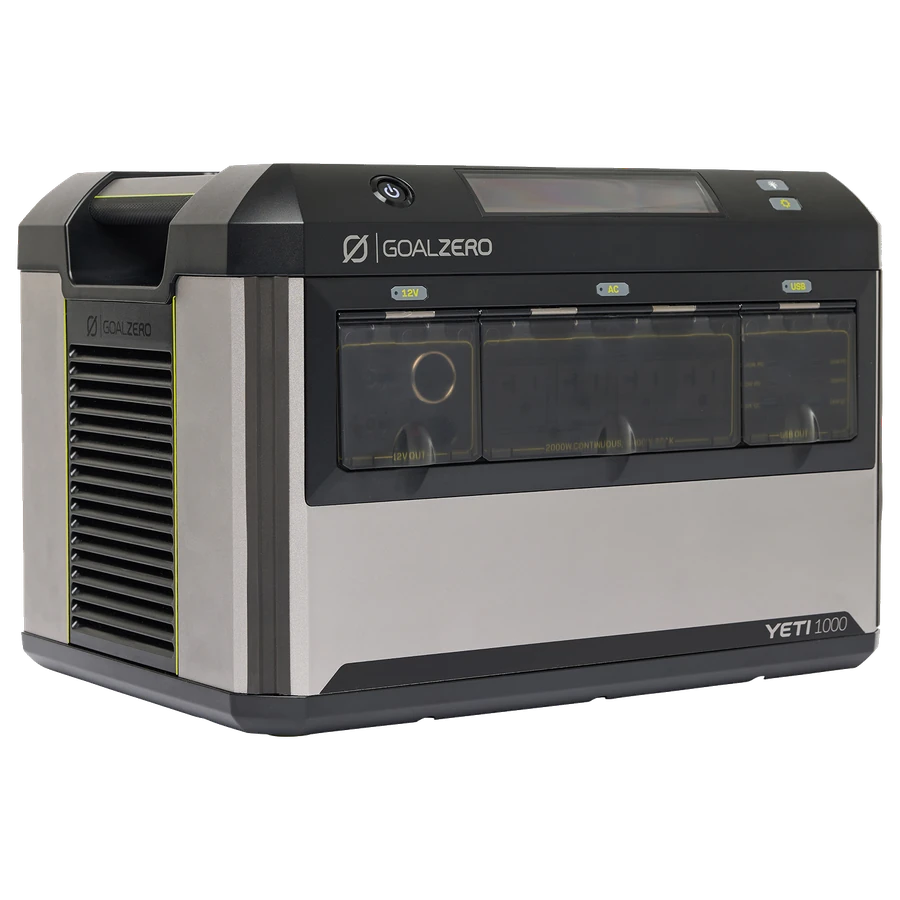
Goal Zero Yeti 1000 (6th Gen)
The Yeti 1000 (6th Gen) is the 1000X reborn with the chemistry Goal Zero should have used the first time: a kilowatt-hour at 35 pounds, 4,000 rated cycles, a five-year warranty, and a fifteen-millisecond handover the X series never had. Five head-to-heads so far, two won, both against Goal Zeros. No owner or reviewer has weighed in yet.
988 Wh · 2,000 W · 35.3 lb · 4,000 cycles · 9 head-to-heads
2,505
Power Score · Appliance Class
- 988 Wh
- capacity
- 2,000 W
- output
- 35.3 lb
- weight
- 4,000
- rated cycles
Should you buy it right now?
Fair price today: $1,200 is what it normally sells for. It clears 2 of 6 real-world jobs and wins 3 of 9 matchups.
Real-world jobs
2 of 6
Falls short on Weekend Camping, 8-Hour Blackout, Remote Workday and Van Life Daily
Head-to-head record
3–6
9 adjudicated matchups

Verdicts by Ian Schneider and the Test Desk·Figures computed 2026-10-04
01 · Six real-world jobs
What the Yeti 1000 (6th Gen) actually runs
The load profiles every comparison on the site is scored on, computed for this unit alone: energy needed against the usable tank after inverter losses, and whether the inverter holds and starts the biggest single load.
Weekend Camping
Falls short2 nights · Two nights off-grid with essential comfort
2,100Wh needed · 250% of the tank · 1,260Wh short
Peak 75W: starts and holds
8-Hour Blackout
Falls short8 hours · Keep the essentials running through a night without power
1,645Wh needed · 196% of the tank · 805Wh short
Peak 150W: starts and holds
CPAP Overnight
Clears it8 hours · Sleep therapy without interruption — the #1 medical use case
320Wh needed · 38% of the tank · 520Wh spare
Peak 40W: starts and holds
Remote Workday
Falls short8 hours · Full work day off-grid without power anxiety
910Wh needed · 108% of the tank · 70Wh short
Peak 60W: starts and holds
Tailgate Party
Clears it4 hours · Game day power for the crew
670Wh needed · 80% of the tank · 170Wh spare
Peak 400W: starts and holds
Van Life Daily
Falls short24 hours · A full day of mobile living — the ultimate endurance test
4,685Wh needed · 558% of the tank · 3,845Wh short
Peak 150W: starts and holds
02 · Head-to-head record
3 wins in 9 written matchups
Every matchup is a full verdict scored on the six jobs above plus price, longevity and portability. This is the set shoppers search for, not a random sample.
Win share
3–6
- vs Jackery0–3
- vs EcoFlow1–1
- vs Goal Zero2–0
- vs Anker0–1
- vs DJI0–1
 wins
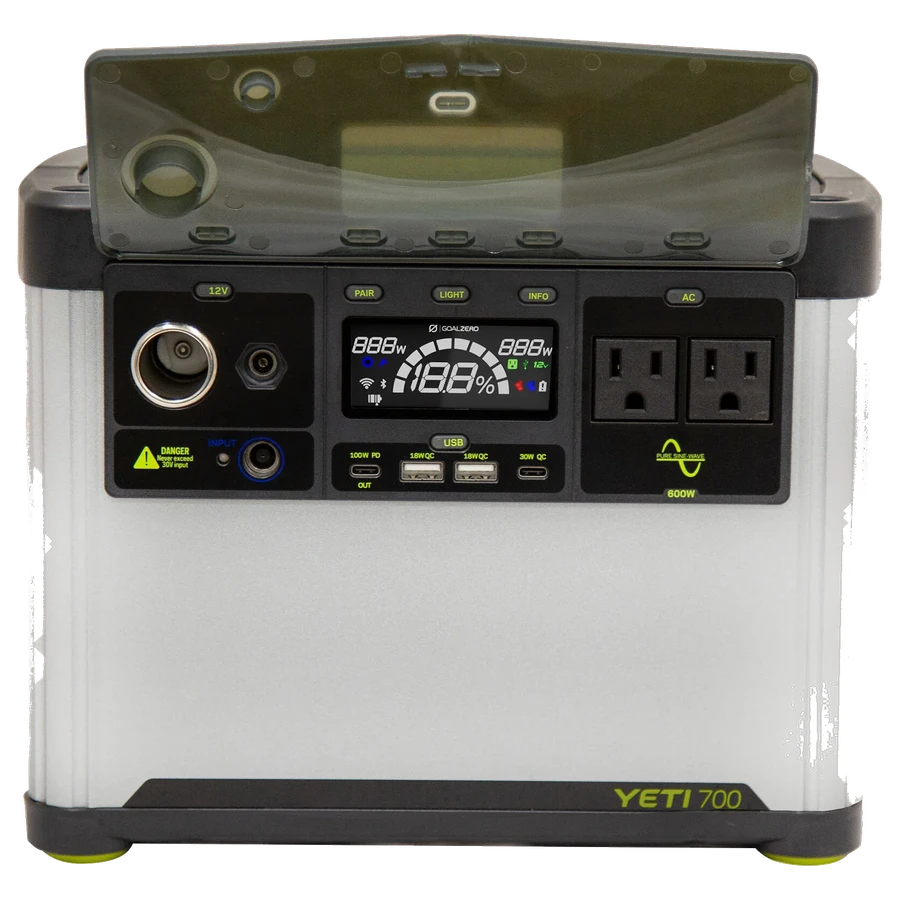
winsYeti 1000 (6th Gen) vs Goal Zero Yeti 700
80 searches reached this matchup
 loses
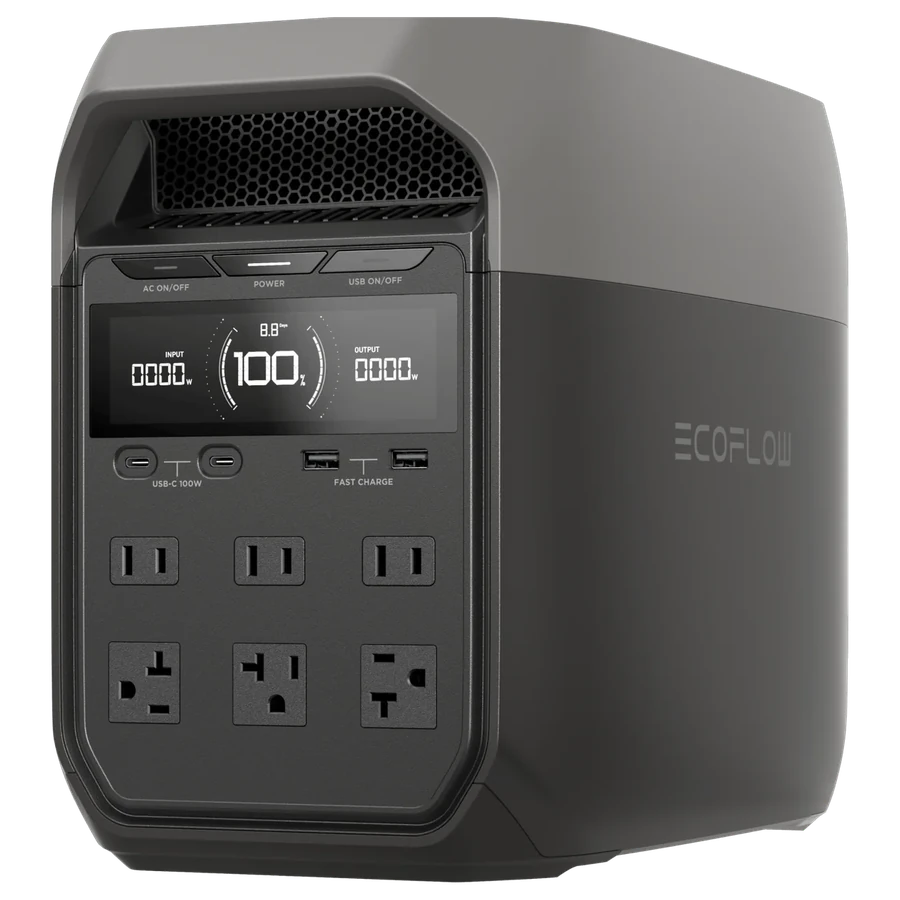
losesYeti 1000 (6th Gen) vs EcoFlow DELTA 3
23 searches reached this matchup
 loses
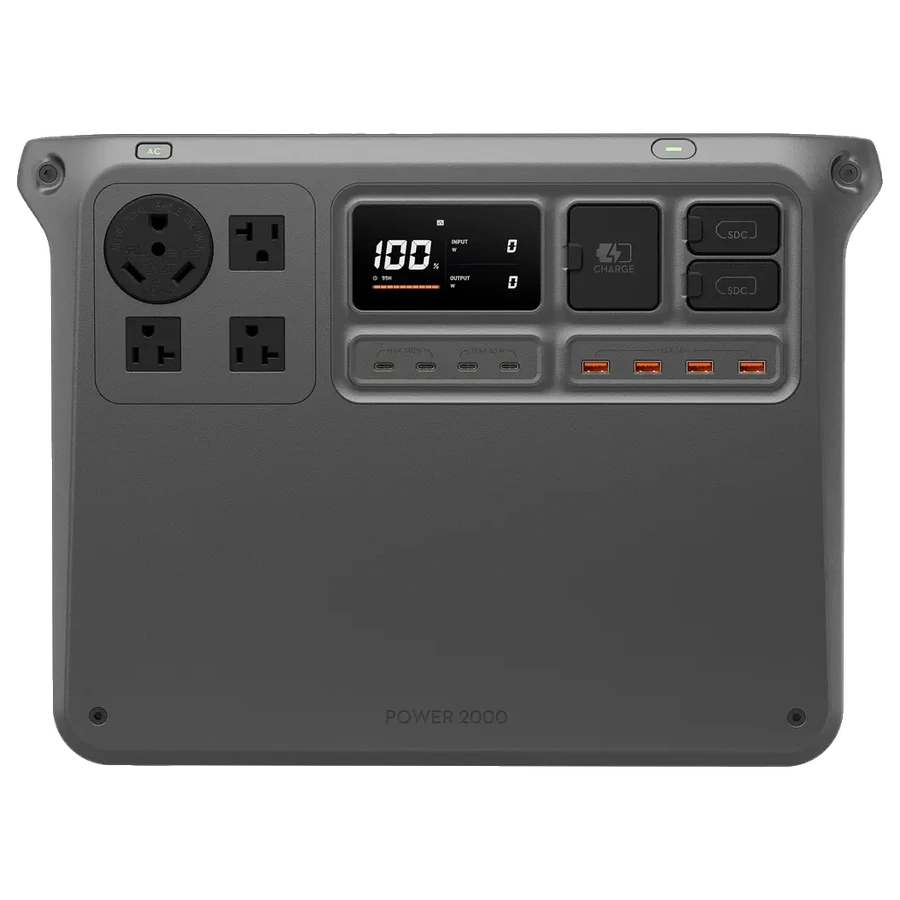
losesYeti 1000 (6th Gen) vs DJI Power 2000
17 searches reached this matchup
 wins
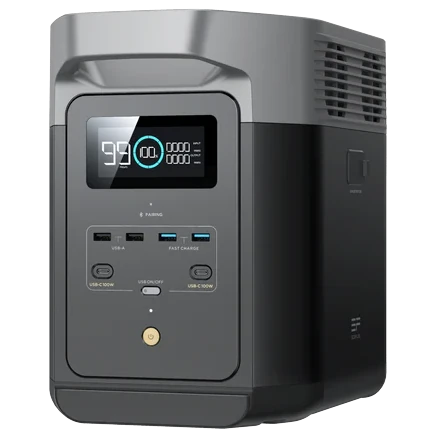
winsYeti 1000 (6th Gen) vs EcoFlow DELTA 2
17 searches reached this matchup
 loses
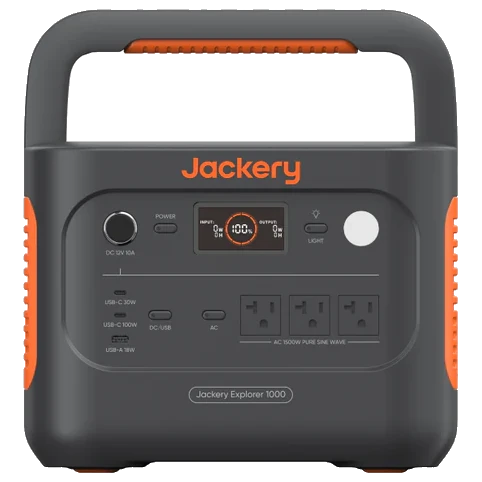
losesYeti 1000 (6th Gen) vs Jackery Explorer 1000 v2
16 searches reached this matchup
 loses
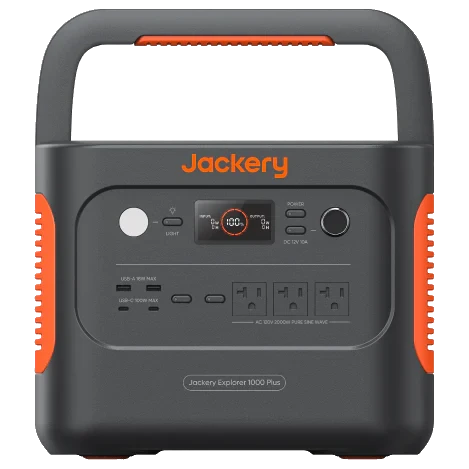
losesYeti 1000 (6th Gen) vs Jackery Explorer 1000 Plus
12 searches reached this matchup
03 · From the verdicts
Who it is for, and when a rival won instead
Each line is lifted from a written matchup where it decided the verdict, and links to the page it came from. Repeated across many matchups means it is the unit’s signature, not one author’s opinion.
Buy the Yeti 1000 (6th Gen) if…
You need the higher 3,600W surge for a hard-starting motor or tool, or you're committed to Goal Zero's rugged, weather-resistant ecosystem of coolers and vehicle kits.
Decided 2 matchups · read one →
Buy it if you're honestly unsure whether your loads cross 600 watts. The 1000 can't be excluded by a load the way the 700 can, so it's the safer bet when you can't predict what you'll plug in.
Decided 2 matchups · read one →
You refill from panels every day and daylight is the bottleneck. 900W of solar input against 400W takes a full recharge from about 2.5 hours of ideal sun down to about one, which is the difference between using a weather window and watching it close.
Decided 2 matchups · read one →
You're building a solar-first setup and will actually use the 900W input — 300W more panel than the Anker means a faster refill on a sunny day.
A rival won when…
You want the most watt-hours for the money and can't name a specific reason to pay more. $669 against $1,200, for 36Wh more capacity.
Decided 3 matchups · read one →
You already own DJI gear. The SDC fast-charging ports are proprietary, which is a drawback in the abstract and a genuine convenience if the things in your bag are DJI's [A4].
Decided 2 matchups · read one →
The unit sleeps in the same room you do. It's the only one of the two with a published noise floor and a first-hand account of what its fan does under load [B3].
Decided 2 matchups · read one →
You carry it. 23.8 lbs against 35.3, and both hands-on testers led with the fold-down handle rather than the specs [B8][B16].
Decided 2 matchups · read one →
04 · Price history
What the Yeti 1000 (6th Gen) actually sells for
The number on the buy button, read twice a day, one point per day. Never the sticker, never a “was” price.
Read from goalzero.com twice a day since July 18 · 79 days
Carried on 100% of days tracked · dips reach $1,200
Built from the Oct 4, 7 PM UTC read.
$1,200
Usual price
100% of days tracked
$1,200
Best we've seen
October 4
$1,200
Today
at usual
$1,200
Highest seen
0 days above usual
How to read this
- Usual is the price the unit carried most of the time, tested for how long it held rather than how often we looked. A weekend promotion cannot move it.
- Best is the lowest price we have read on the store itself. Typed coupon codes, member-only prices and marketplace listings are not counted; anything applied automatically at checkout is.
- A gap in the line is a day we could not read a price. We never draw across one, and we never show the store’s own “was” price.
Method on the methodology page.
Share the numbers
Goal Zero Yeti 1000 (6th Gen): usually $1,200, best $1,200 (Oct 4), today $1,200 on goalzero.com. Tracked twice a day since Jul 18. https://stationarena.com/products/goal-zero-yeti-1000-6th-gen#price-history
Alerts for the Yeti 1000 (6th Gen)
One email when it drops below $1,200, comes back in stock, or a newer model in this line appears. Nothing else.
By subscribing, you agree to our Privacy Policy.
Black Friday · 38 days out
Will the Goal Zero Yeti 1000 (6th Gen) go on sale for Black Friday?
Price to beat $1,200Nobody knows until Goal Zero moves, but in 79 days we have tracked it, it has never been discounted, so any real cut would be a first. We read the store twice a day, and the moment it drops it shows on our Black Friday deals page.
05 · Voices
What owners and reviewers say
Owner reports are paraphrased from public YouTube comments and each links to its source; reviewer consensus is counted from cited excerpts, never quoted; our own verdicts are quoted. Specs on this page never come from any of them.
From the test desk
“Take the Yeti 1000 6th Gen if there's any chance your loads cross 600 watts, whether that's a microwave, a coffee maker, power tools, or a larger fridge, because its 2,000W inverter starts them and the 700's 600W won't.”
“Buy the DELTA 3.”
“Buy the Power 2000.”
06 · Where each number comes from
Spec sheet, in four cards
Every field carries its source: green is the manufacturer’s own document, blue was adjudicated after sources disagreed, grey is the catalogue as imported. Then compare it line by line with the units people actually weigh it against.
Battery
988
Capacity (Wh)
- ChemistryLiFePO4
- Charging Cycles4000
- Battery Expansion FeasibilityNo
Power out
2000
Output (W)
- Surge Peak3600W
- AC Outlets4
- 240V Outlets0
- 30A RV Outlets0
- 12V Car Outlets1
- USB-C Ports4
- USB-A Ports2
- USB-C Charging Outputs140W
Charging
900
Solar Input (W)
- Solar Input TypeHPP 600W + 8mm 300W
Living with it
35.3
Weight (lbs)
- Noise Level (db)Not Specified
- UPSYes (<15ms)
- App ControlYes
- Warranty (Years)5
Compare it with
Yeti 1000 (6th Gen) vs
leads on 6 · trails on 2
| Spec | Yeti 1000 (6th Gen) | Yeti 700 | Gap |
|---|---|---|---|
| Usual price | $1,200 | $700 ● | +$500 |
| Capacity (Wh) | 988 ● | 677 | +311 |
| Output (W) | 2000 ● | 600 | +1400 |
| Surge (W) | 3600W ● | 1000W | +2600 |
| Rated cycles | 4000 | 4000+ | 0 |
| Solar input (W) | 900 ● | 200 | +700 |
| Weight (lb) | 35.3 | 20.3 ● | +15 |
| Noise (dB) | Not Specified | N/A | |
| AC outlets | 4 ● | 2 | +2 |
| USB-C ports | 4 ● | 2 | +2 |
| Warranty (yr) | 5 | 5 | 0 |
| Chemistry | LiFePO4 | LiFePO4 | |
| UPS | Yes (<15ms) | Yes (<20ms) |
● marks the better figure where direction is clear. Price is each unit’s usual price.
Read the full verdict →07 · Goal Zero Yeti line
Where it sits in the line
Capacity bars are to scale across the line; prices are each unit’s usual price, not today’s.
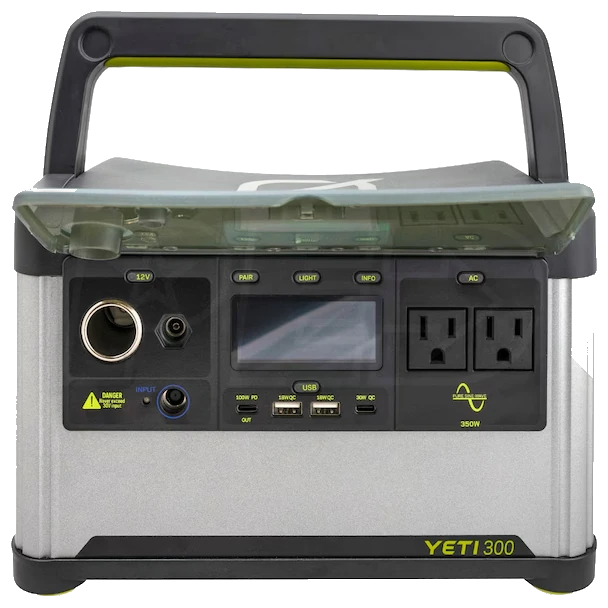
Yeti 300
297 Wh · $350
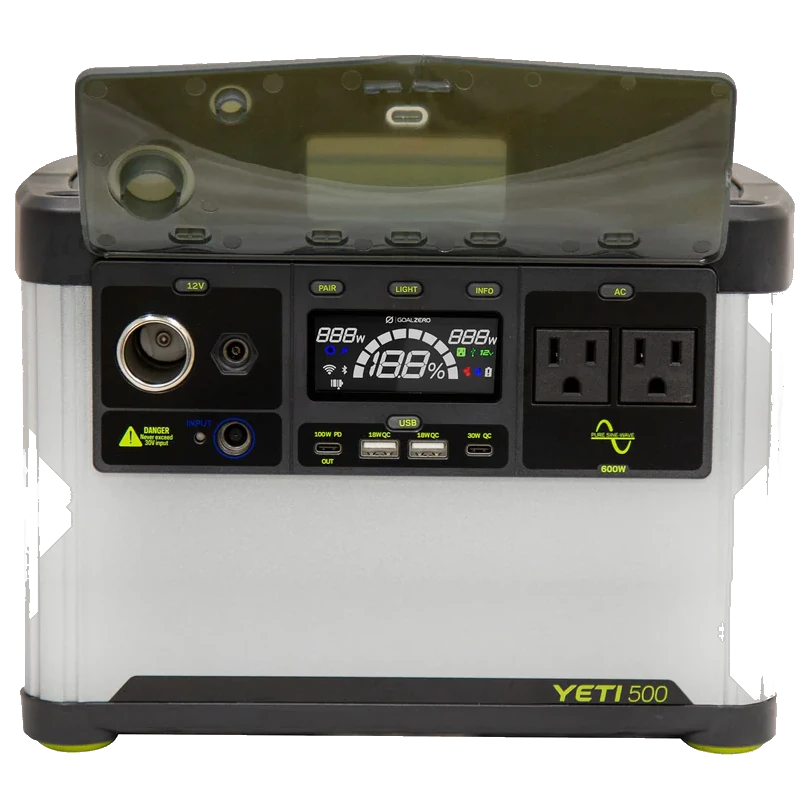
Yeti 500
499 Wh · $500
Yeti 700
677 Wh · $700
Yeti 1000 (6th Gen)
988 Wh · $1,200
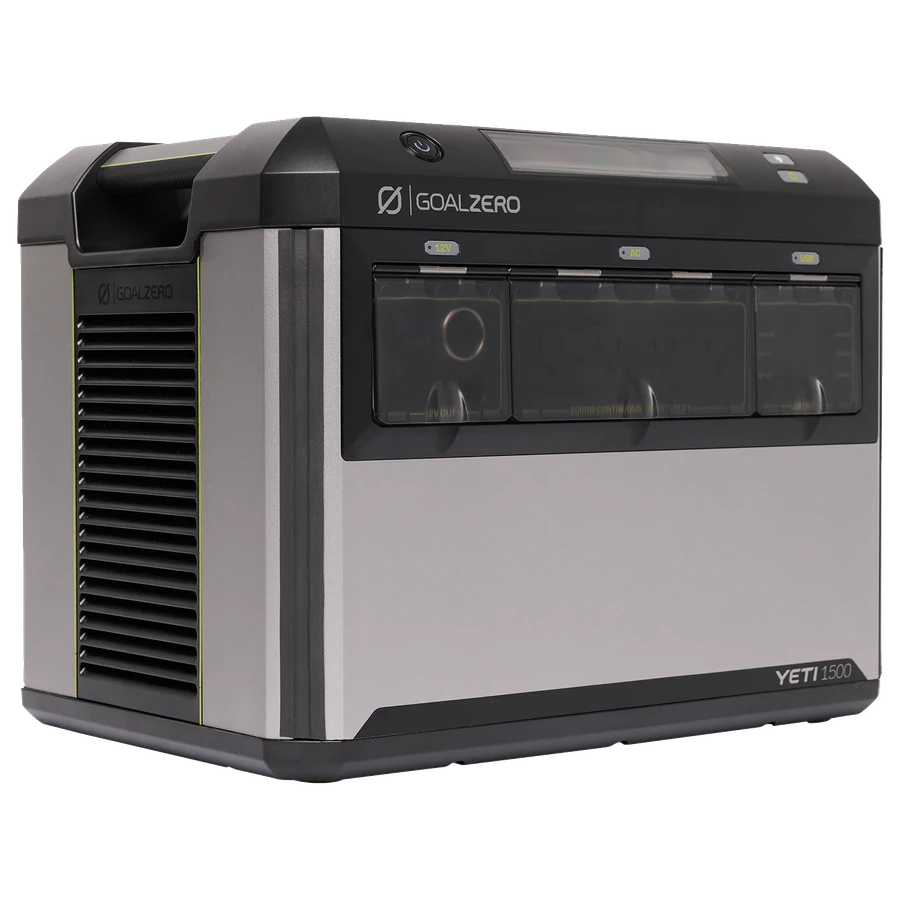
Yeti 1500 (6th Gen)
1.5 kWh · $1,500
08 · At its usual price
Cost of ownership
Cycle life is the manufacturer’s rating to 80% capacity; the lifetime figure is that rating times the nameplate capacity.
$1.21
per Wh
at $1,200
$0.30
per lifetime kWh
3,952 kWh over 4,000 cycles
11.0 yr
if cycled daily
38 yr at weekends only
5 yr
warranty
$240 per covered year
09 · From the matchups
Questions people ask
Is the Goal Zero Yeti 1000 (6th Gen) worth nearly double the EcoFlow DELTA 3?
Only if you refill from solar, where its panel input is roughly double the DELTA 3's and cuts the recharge from empty to about half the hours. On every other axis the cheaper unit matches or beats it: 1,024Wh against 988Wh, 27 lb against 35.3 lb, six AC outlets against four, the same 4,000 cycles and the same five-year warranty. Pay the premium for the charging rate or don't pay it at all.
Can the Yeti 1000 (6th Gen) be expanded?
No. It's sealed at 988Wh and that's the ceiling. The DELTA 3 starts at 1,024Wh, already more than the Yeti's maximum, and takes EcoFlow expansion batteries on top of that. At this size expansion buys longer runtimes on the same loads rather than a path to home backup, so treat it as insurance against your own estimate.
Is the DJI Power 2000 worth the extra money over the Yeti 1000 (6th Gen)?
Yes, for almost any use that involves actually running the unit down. The two prices sit $99 apart, and that buys 2,048Wh instead of 988Wh, 3,000W of continuous output instead of 2,000W, and 1,800W of solar input instead of 900W. Both are rated for 4,000 cycles, so you get a bit over twice the delivered energy out of the same rated lifespan. The Yeti is the better buy only if 35.3 lbs against 48.5, or a 12V car socket, outranks capacity for you.
Will the Yeti 1000 (6th Gen) get my fridge through an 8-hour blackout?
Not the way we model one. Our eight-hour blackout profile draws 1,645Wh, and the Yeti has 840Wh usable once the flat 15% allowance comes off its 988Wh nameplate, leaving it 805Wh short, a bit over half the night. The Power 2000 covers the same eight hours and ends with 96Wh, which is a pass with nothing behind it. If you want an outage covered with real margin, both of these are smaller than the job.
Is the Goal Zero Yeti 1000 (6th Gen) worth the money?
At $1,200 it sits at the premium end of the category, and what you're paying for is specific: 2,000W continuous with a 3,600W peak, 900W of solar input, a 4,000-cycle pack and a five-year term. What you're not getting is any expansion past 988Wh, or any independent hands-on testing of this exact model yet [B0]. If the peak and the input are what you need, it's worth it. If you just need a kilowatt-hour on hand, you're paying for headroom you won't touch.
Some links are affiliate links; they never change the price you pay or which price we show. Owner reports are paraphrased from public comments and link to their source.