EcoFlow · new release
EcoFlow TITAN 5000 Plus
A 5 kWh LiFePO4 station with 7,200 W of output. What it runs, how it fared in 46 written head-to-heads, and what owners report. EcoFlow has not published its price yet; the $3,699 here is our estimate from EcoFlow's pre-launch store listing.
5 kWh · 7,200 W · 121.3 lb · 46 head-to-heads
6,769
Power Score · The AC & Fridge Zone
- 5 kWh
- capacity
- 7,200 W
- output
- 121.3 lb
- weight
- —
- rated cycles
Should you buy it right now?
TITAN 5000 Plus: 5,018Wh, clears 5 of 6 real-world jobs, wins 22 of 46 matchups.
Price now
$3,699our estimate
EcoFlow has not published a price; this is our estimate from its pre-launch listing
Real-world jobs
5 of 6
Falls short only on Van Life Daily
Head-to-head record
22–24
46 adjudicated matchups

Verdicts by Gunner Gustafson and the Test Desk·Figures computed 2026
01 · Six real-world jobs
What the TITAN 5000 Plus actually runs
The load profiles every comparison on the site is scored on, computed for this unit alone: energy needed against the usable tank after inverter losses, and whether the inverter holds and starts the biggest single load.
Weekend Camping
Clears it2 nights · Two nights off-grid with essential comfort
2,100Wh needed · 49% of the tank · 2,165Wh spare
Peak 75W: starts and holds
8-Hour Blackout
Clears it8 hours · Keep the essentials running through a night without power
1,645Wh needed · 39% of the tank · 2,620Wh spare
Peak 150W: starts and holds
CPAP Overnight
Clears it8 hours · Sleep therapy without interruption — the #1 medical use case
320Wh needed · 8% of the tank · 3,945Wh spare
Peak 40W: starts and holds
Remote Workday
Clears it8 hours · Full work day off-grid without power anxiety
910Wh needed · 21% of the tank · 3,355Wh spare
Peak 60W: starts and holds
Tailgate Party
Clears it4 hours · Game day power for the crew
670Wh needed · 16% of the tank · 3,595Wh spare
Peak 400W: starts and holds
Van Life Daily
Falls short24 hours · A full day of mobile living — the ultimate endurance test
4,685Wh needed · 110% of the tank · 420Wh short
Peak 150W: starts and holds
02 · Head-to-head record
22 wins in 46 written matchups
Every matchup is a full verdict scored on the six jobs above plus price, longevity and portability. This is the set shoppers search for, not a random sample.
Win share
22–24
- vs BLUETTI14–5
- vs EcoFlow1–9
- vs Anker1–7
- vs Jackery2–3
- vs Goal Zero4–0
 loses
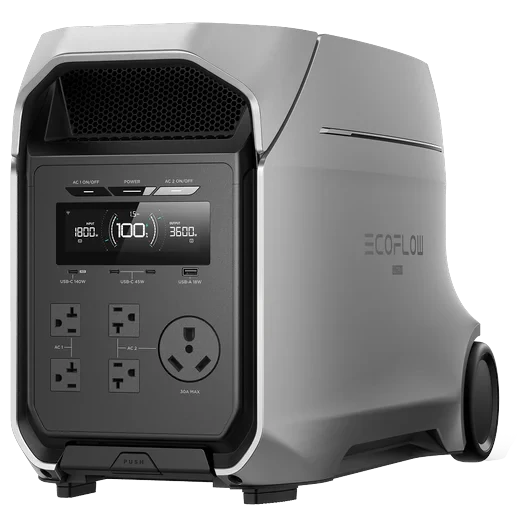
losesTITAN 5000 Plus vs EcoFlow DELTA 3 Ultra Plus
Written verdict
 loses
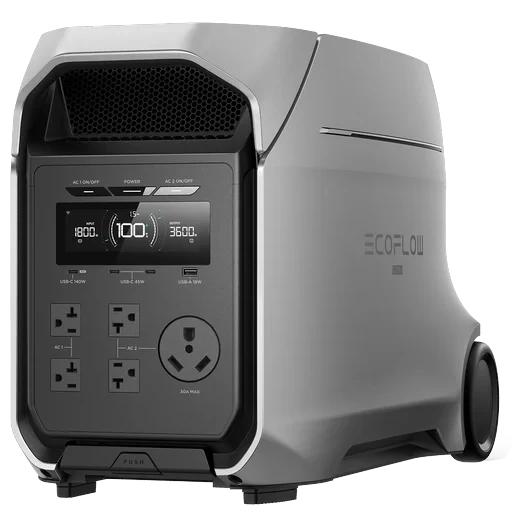
losesTITAN 5000 Plus vs EcoFlow DELTA 3 Ultra
Written verdict
 loses
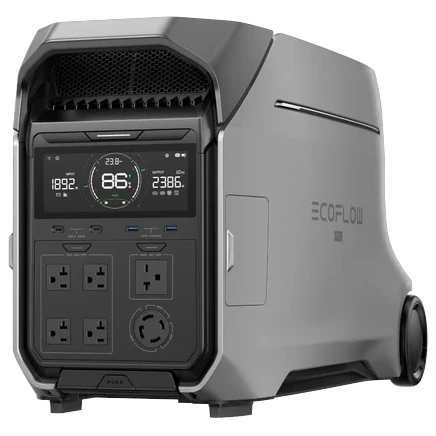
losesTITAN 5000 Plus vs EcoFlow DELTA Pro 3
Written verdict
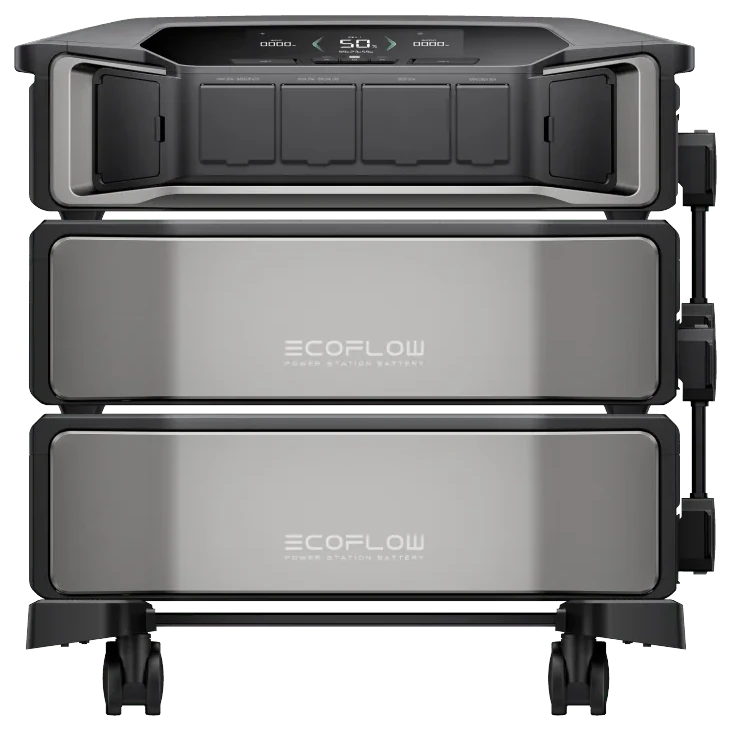 loses
losesTITAN 5000 Plus vs EcoFlow DELTA Pro Ultra + 1 Battery
Written verdict
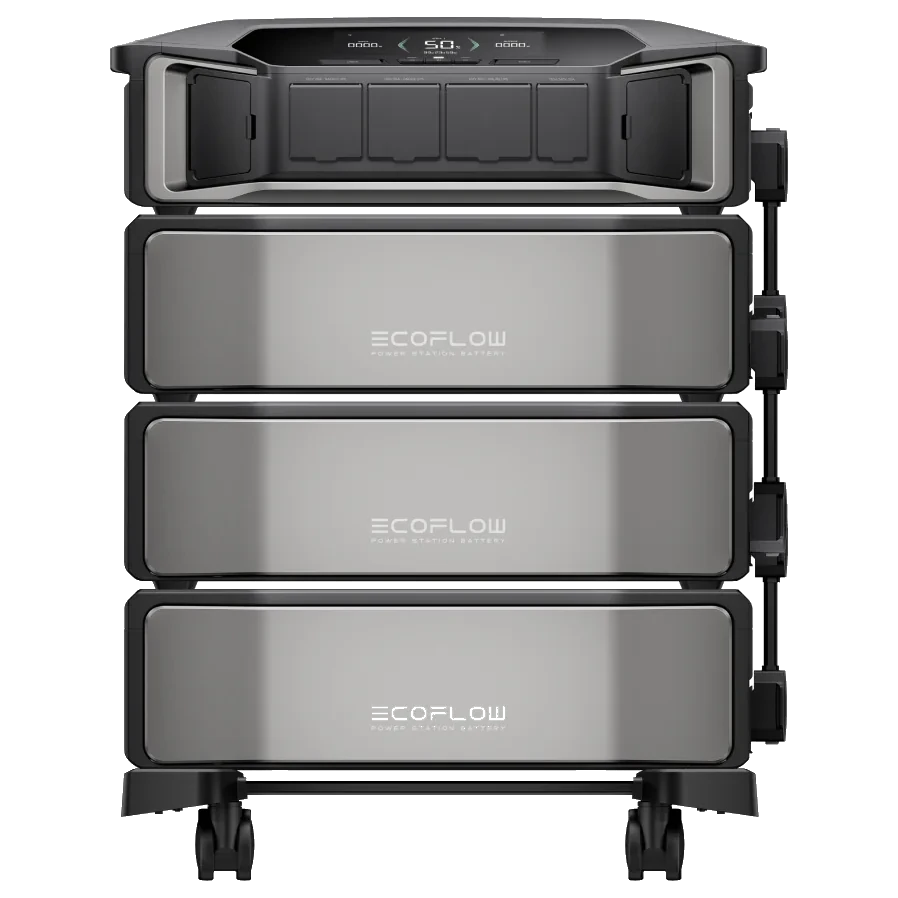 loses
losesTITAN 5000 Plus vs EcoFlow DELTA Pro Ultra + 2 Batteries
Written verdict
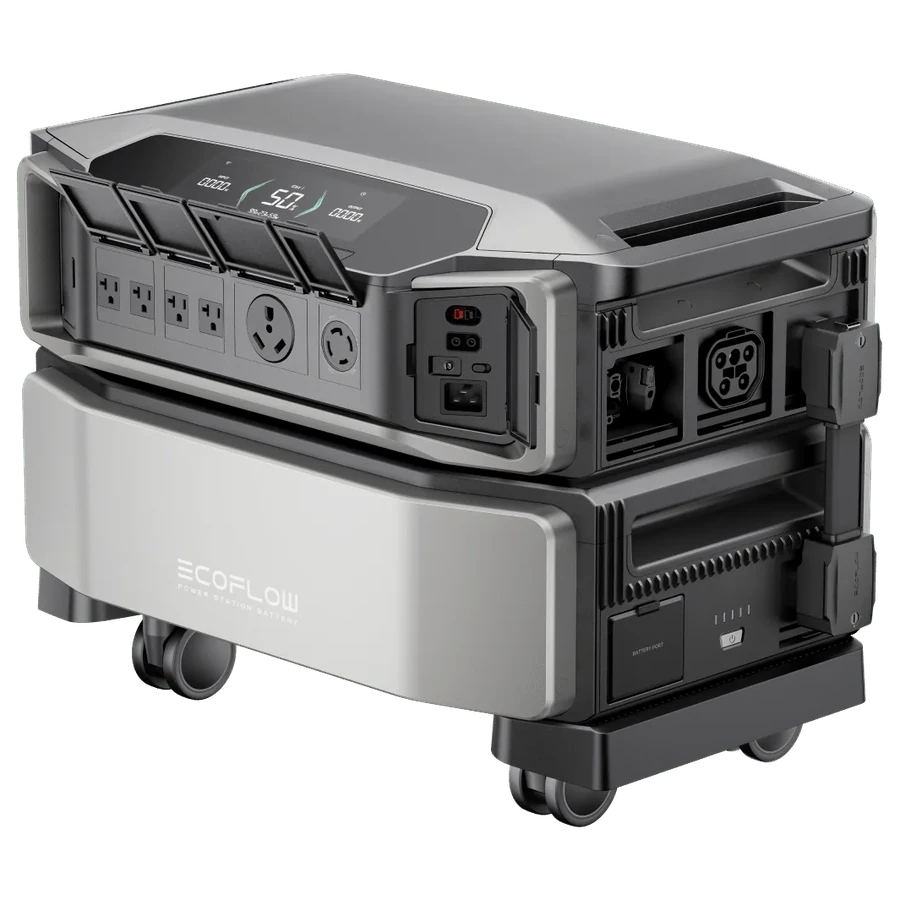 loses
losesTITAN 5000 Plus vs EcoFlow DELTA Pro Ultra
Written verdict
03 · From the verdicts
Who it is for, and when a rival won instead
Each line is lifted from a written matchup where it decided the verdict, and links to the page it came from. Repeated across many matchups means it is the unit’s signature, not one author’s opinion.
Buy the TITAN 5000 Plus if…
You have a 240 V appliance on a circuit bigger than 30 A and want it covered in an outage.
Decided 10 matchups · read one →
The house with a heavy 240 V circuit that needs the 41.7 A outlet while the grid is up [A2][A3], and outage loads that stay under 7,200 W [A1].
Decided 8 matchups · read one →
You own a 240 V generator, or plan to, and want it refilling the pack at up to 7,660 W through the AC IN/OUT port in short runs [A15].
Decided 7 matchups · read one →
A house with a 240 V generator that can supply 7,660 W, where you'd rather run it under an hour per pack than all night [A15].
Decided 6 matchups · read one →
A rival won when…
Your outage plan is extension cords, not a panel: the F3000 has four ordinary sockets and a TT-30 [B6] to the Plus's two.
Decided 4 matchups · read one →
The house that already has an L14-30 generator inlet, which this unit's twist-lock outlet matches [A2].
Decided 4 matchups · read one →
A buyer who wants 19,840 Wh stored before the storm rather than a fuel can and a fast charger.
Decided 3 matchups · read one →
The buyer who wants the most battery for the money: of these two, it's the cheaper per watt-hour.
Decided 3 matchups · read one →
05 · Voices
What owners and reviewers say
Owner reports are paraphrased from public YouTube comments and each links to its source; reviewer consensus is counted from cited excerpts, never quoted; our own verdicts are quoted. Specs on this page never come from any of them.
Reviewer consensus
16/27 positive excerpts, 0 sources
No owner or reviewer reports exist yet: every entry is EcoFlow's own rating label or store page, plus two of our own readings of the label.
· researched 2026-10-03
From the test desk
“Buy the DELTA 3 Ultra Plus unless a 240 V circuit has to stay live through an outage.”
“Buy the Ultra unless you're wiring a 240 V circuit bigger than 30 A or need an 8 kW recharge.”
“Keep the DELTA Pro 3 unless you know your outage loads need more than 4,000 W.”
06 · Where each number comes from
Spec sheet, in four cards
Every field carries its source: green is the manufacturer’s own document, blue was adjudicated after sources disagreed, grey is the catalogue as imported. Then compare it line by line with the units people actually weigh it against.
Battery
5017.6
Capacity (Wh)
- ChemistryLiFePO4
- Charging CyclesNot Specified
- Battery Expansion FeasibilityYes
Power out
7200
Output (W)
- Surge PeakNot Specified
- AC Outlets3
- 240V Outlets1
- 30A RV Outlets0
- 12V Car Outlets0
- USB-C Ports0
- USB-A Ports0
- USB-C Charging Outputs0
Charging
8000
Solar Input (W)
- Solar Input TypeDual MPPT (40-450V)
Living with it
121.3
Weight (lbs)
- Noise Level (db)<39
- UPSYes (<20ms)
- App ControlYes
- Warranty (Years)5
Compare it with
TITAN 5000 Plus vs
leads on 3 · trails on 5
| Spec | TITAN 5000 Plus | DELTA 3 Ultra Plus | Gap |
|---|---|---|---|
| Usual price | $3,699 | $1,599 ● | +$2,100 |
| Capacity (Wh) | 5017.6 ● | 3072 | +1945.6 |
| Output (W) | 7200 ● | 3600 | +3600 |
| Surge (W) | Not Specified | 7200W | |
| Rated cycles | Not Specified | 4000 | |
| Solar input (W) | 8000 ● | 1600 | +6400 |
| Weight (lb) | 121.3 | 74.3 ● | +47 |
| Noise (dB) | <39 | 30 ● | +9 |
| AC outlets | 3 | 6 ● | -3 |
| USB-C ports | 0 | 2 ● | -2 |
| Warranty (yr) | 5 | 5 | 0 |
| Chemistry | LiFePO4 | LiFePO4 | |
| UPS | Yes (<20ms) | Yes (10ms) |
● marks the better figure where direction is clear. Price is each unit’s usual price.
Read the full verdict →08 · At its usual price
Cost of ownership
Cycle life is the manufacturer’s rating to 80% capacity; the lifetime figure is that rating times the nameplate capacity.
$0.74
per Wh
at $3,699
—
per lifetime kWh
—
if cycled daily
5 yr
warranty
$740 per covered year
09 · From the matchups
Questions people ask
Does the EcoFlow TITAN 5000 Plus really put out 10 kW?
Not from its battery. EcoFlow's rating label reads "Total Output: 10 kW Max (7200W for discharge only)" [B1]: the battery delivers 7,200 W and the 10 kW total needs solar or grid power flowing in at the same time. At night or with nothing feeding it, plan around 7,200 W.
What plugs into the TITAN 5000 Plus's 41.7A outlet?
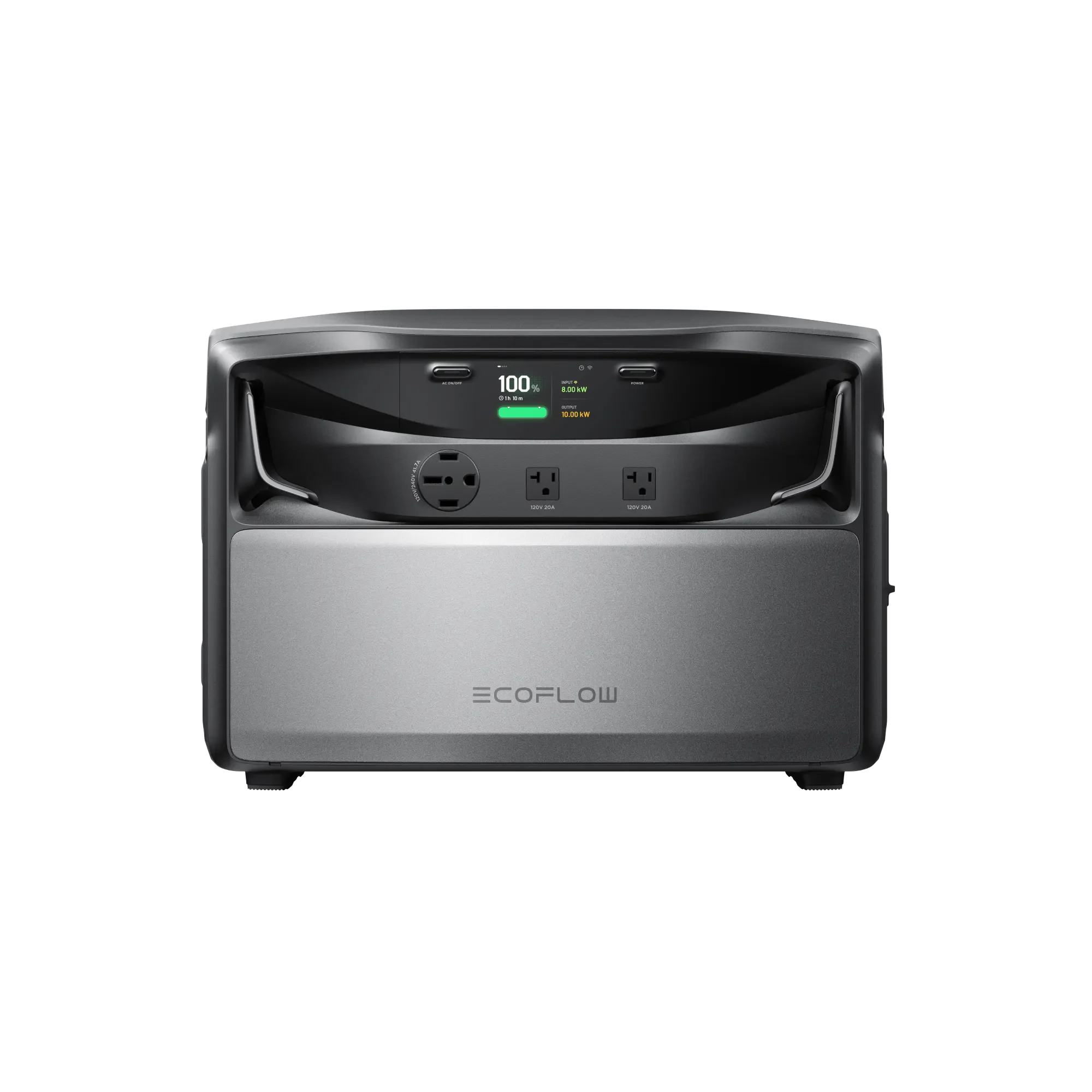
It's a four-pin 14-50-pattern outlet marked 120V/240V 41.7A [B3], meant to feed a 240 V circuit, typically through EcoFlow's 240 V Smart Home Panel 10 [B6]. Beside it are two 120 V 20 A sockets for ordinary plugs. The DELTA 3 Ultra Plus has six AC outlets, none of them 240 V.
How fast does the TITAN 5000 Plus charge compared with the DELTA 3 Ultra Plus?
EcoFlow's own display image shows the Plus taking 8.00 kW in [B5], and its solar input takes up to 8,000 W across two inputs [B4], so panels alone can in principle fill that path. That is 6,400 W more than the DELTA's 1,600 W ceiling.
Is the TITAN 5000 Plus worth it over the DELTA 3 Ultra Plus for home backup?
Only if you must run a 240 V circuit. For 120 V loads the DELTA passes every scenario the Plus passes and costs {{money:gap}} less. The Plus's bigger battery is real, but at current prices it costs more per watt-hour than the DELTA's.
What does the TITAN 5000 Plus add beyond the spec sheet?
EcoFlow sells the TITAN 5000 Plus with a factory pre-wired Smart Home Panel 10 that gives app control of 10 circuits [B17], and it is UL 9540 certified and tested to UL 9540A [B16]. EcoFlow says X-Fusion 2.0 lets solar power the home first and the battery cover peak-rate hours, and that it can work through the main panel beyond the backed-up circuits [B25]. X-Boost 2.0 is listed for the Plus only, at up to 5 kW on each 120 V leg [B24]. OASIS 3.0 scheduling is marked a subscription feature in the EcoFlow app [B18].
Some links are affiliate links; they never change the price you pay or which price we show. Owner reports are paraphrased from public comments and link to their source.